
What Adds the Most Value in a Home Renovation?
 Dec, 25 2025
Home Renovation ROI Calculator
Calculate Your Renovation Value
See how much value your renovation will add to your home based on current market data.
Enter renovation details to see your expected return on investment.
Pro Tip: According to industry data, mid-range renovations (typically $20,000-$35,000) often yield the best return on investment. Luxury upgrades don't always translate to higher resale value.
When you’re spending tens of thousands on a home renovation, you don’t just want it to look good-you want it to pay off. But not every upgrade gives you the same return. Some projects boost your home’s value like magic. Others? You’ll be lucky to break even. So what actually adds the most value in a renovation? The answer isn’t about fancy finishes or trending colors. It’s about fixing what matters most to buyers-and what keeps your house running for years to come.
Kitchens Still Rule, But Not the Way You Think
Kitchens are the #1 project people think will boost value. And they’re right-but only if you do it right. A full gut renovation with marble countertops and stainless steel appliances might cost $50,000 and only add $30,000 to your home’s value. That’s a loss. The smart move? Focus on function, not flash.
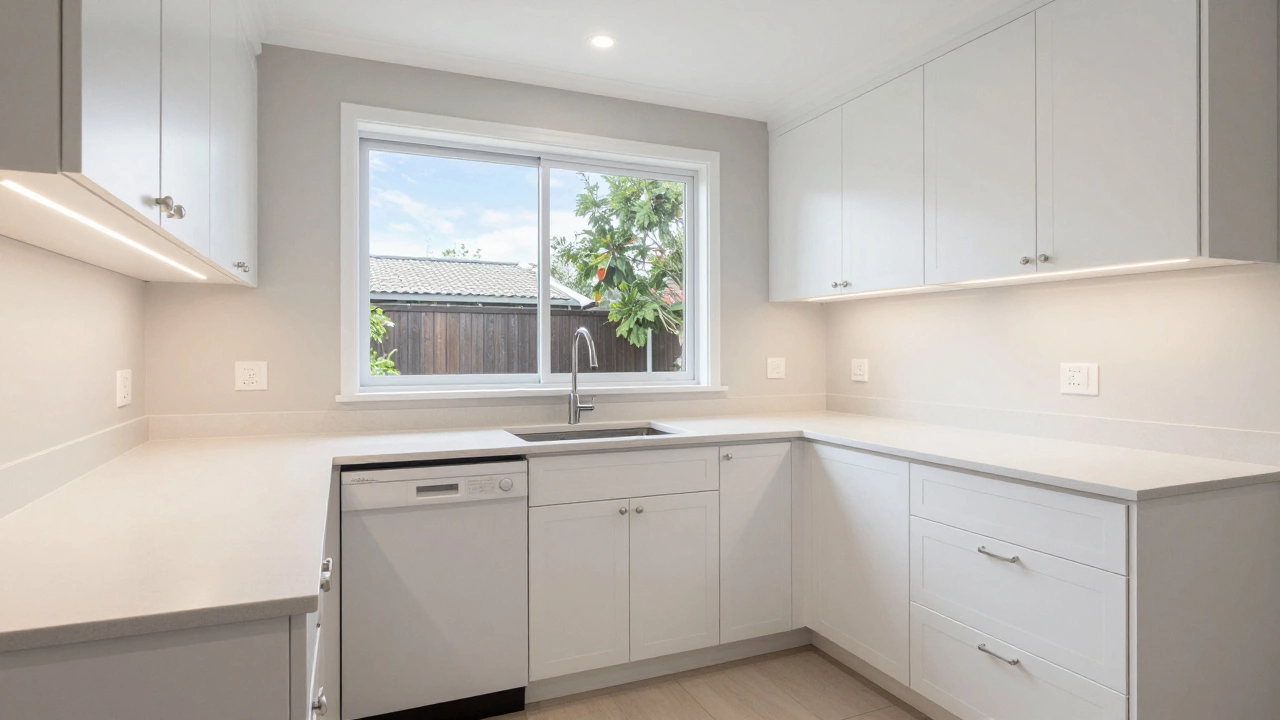
Buyers in Wellington and beyond care about layout. An open-plan kitchen that flows into the dining or living area is worth more than a chef’s kitchen with a $10,000 range. Replace outdated cabinets with clean, white shaker-style ones. Swap out chipped laminate for durable quartz. Install energy-efficient LED lighting and a quiet dishwasher. These aren’t glamorous, but they’re what people notice when they walk in.
A 2024 National Association of Realtors survey showed that mid-range kitchen remodels returned 75% of their cost on average. High-end ones? Only 58%. The sweet spot? Spending between $20,000 and $35,000. Anything above that starts to feel like a personal luxury, not a smart investment.
Bathrooms Are the Silent Value Drivers
Most homeowners overlook bathrooms. They think, “It’s just a toilet and a shower.” But buyers notice when bathrooms feel dated. A bathroom with cracked tiles, a tiny shower, or no storage can kill a sale-even if the kitchen is perfect.
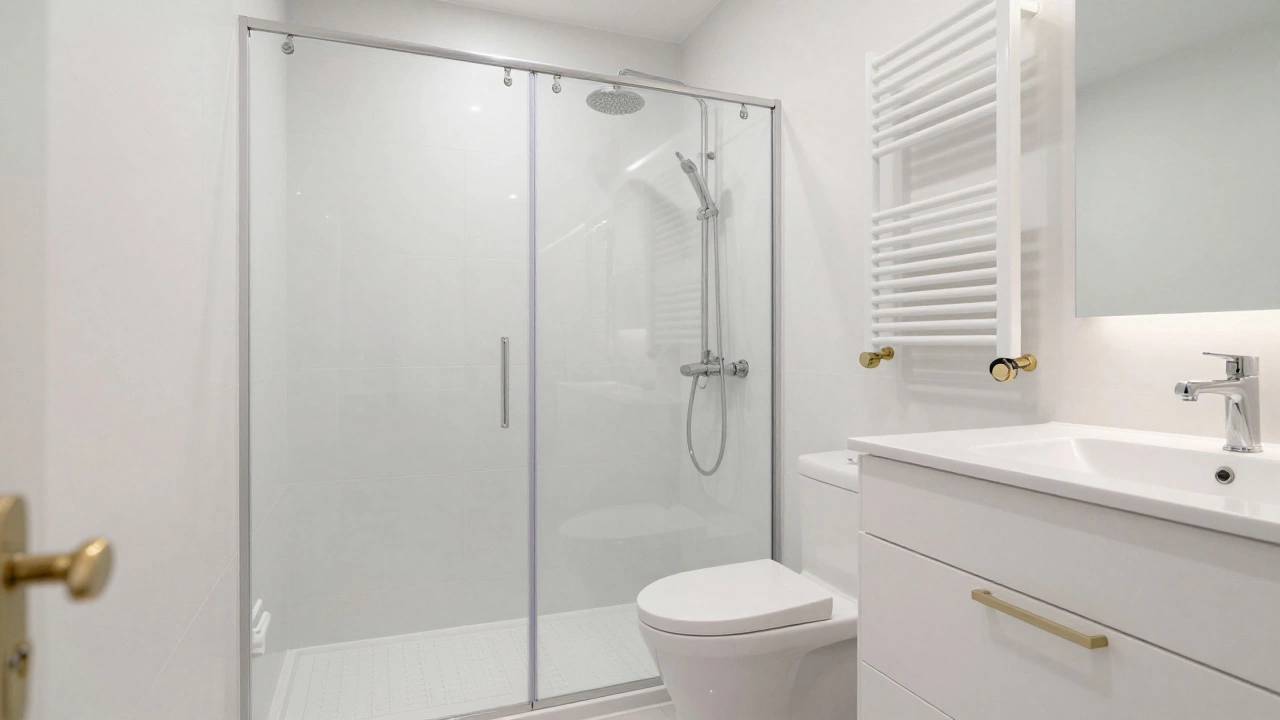
Updating a bathroom doesn’t mean adding a freestanding tub or gold fixtures. It means fixing what’s broken and making it feel modern. Replace old plumbing fixtures with water-saving models. Install a walk-in shower with a non-slip floor. Add a vanity with drawers instead of a single cabinet. Put in a heated towel rail if you’re in a cold climate like Wellington’s winters. These upgrades cost $10,000-$18,000 and return 65-70% on average.
One big mistake? Overdoing it. A luxury spa bathroom with steam showers and chromotherapy lighting might cost $40,000. But most buyers won’t pay extra for it. They just want it to work, look clean, and feel fresh.
Energy Efficiency Isn’t a Bonus-It’s a Must
In 2025, energy efficiency isn’t a nice-to-have. It’s a deal-breaker. Buyers are checking energy ratings before even scheduling a viewing. In New Zealand, the Healthy Homes Standards mean landlords must meet minimum insulation and heating requirements. But even if you’re selling, buyers expect it.
Adding roof and underfloor insulation can cost $8,000-$15,000, depending on your home’s size. But it cuts heating bills by 30-50%. That’s money in the buyer’s pocket every winter. Double-glazed windows are another big win. They reduce noise, stop condensation, and keep heat in. A full window upgrade might cost $20,000, but it adds 80-90% of its value back.
Don’t forget the heating system. Replacing an old electric heater with a modern heat pump is one of the smartest moves. Heat pumps are efficient, quiet, and work in both winter and summer. Buyers see that as a built-in advantage. It’s not just about comfort-it’s about long-term savings.
Curb Appeal Is Your First (and Last) Impression
You only get one chance to make a first impression. And for most buyers, that happens before they even step inside. A messy driveway, peeling paint, or overgrown garden can make a home look neglected-even if the inside is perfect.
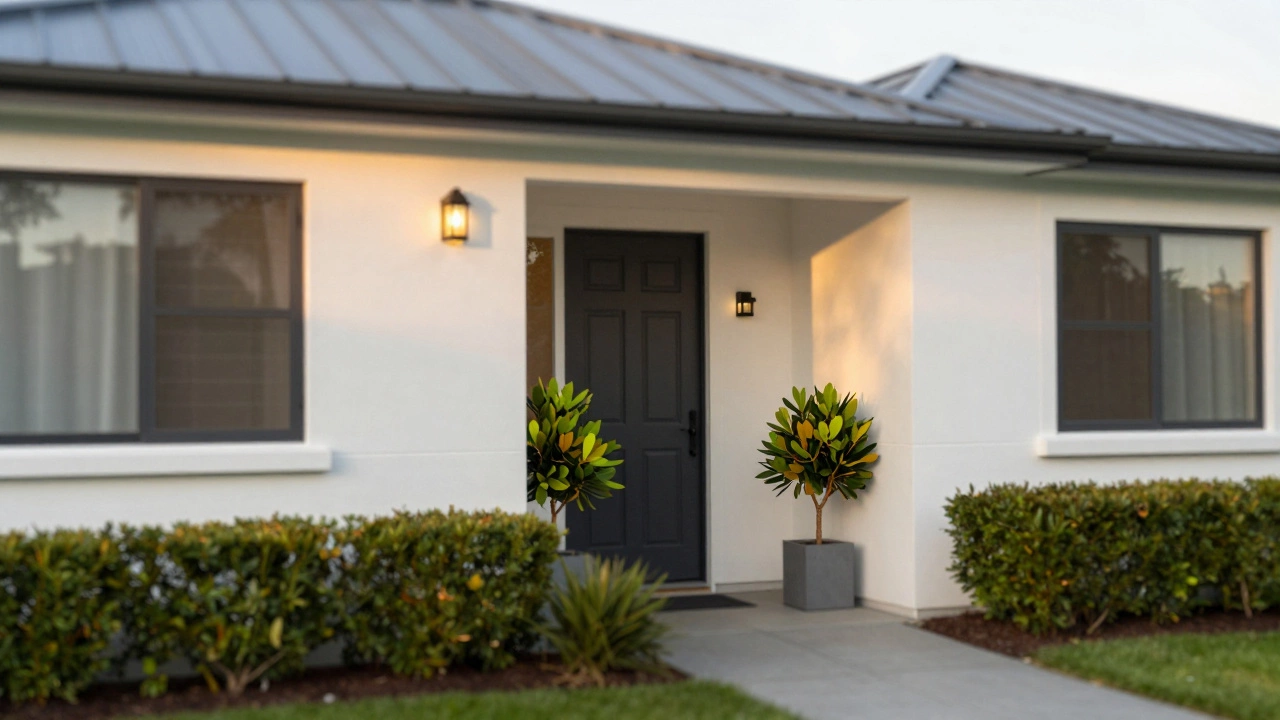
Improving curb appeal doesn’t mean building a new front deck or installing a fountain. It means simple, clean fixes. Pressure-wash the driveway and walls. Paint the front door a bold, neutral color like charcoal or deep green. Replace old light fixtures with modern, weatherproof ones. Trim hedges, plant low-maintenance native shrubs like kōwhai or pōhutukawa, and add a few pots with seasonal flowers.
A $5,000 curb appeal project can add $15,000-$25,000 to your home’s value. Why? Because it makes buyers imagine themselves living there. A home that looks cared for feels safe. And in a competitive market, that’s worth more than a new kitchen.
Don’t Fall for the “Wow Factor” Trap
Every renovation show makes you think you need a walk-in pantry, a wine fridge, or a home theatre. But those are personal luxuries-not value drivers. Buyers aren’t paying extra for a built-in espresso machine. They’re paying for reliability, comfort, and low maintenance.
Here’s what rarely adds value:
- Custom built-in entertainment units
- Smart home systems (unless they’re basic, like smart thermostats)
- Unique lighting fixtures or designer tiles
- Home gyms or saunas
- Over-the-top landscaping with exotic plants
These might make you happy, but they don’t make your home sell faster or for more. Stick to what works: clean lines, good lighting, functional storage, and systems that last.
What’s the Real Winner? Systems That Last
The most valuable renovations aren’t the ones you see. They’re the ones you don’t. Replacing old wiring. Fixing leaky pipes. Upgrading the roof. Installing a new foundation if needed. These are the hidden projects that scare buyers away if they’re ignored.
A house with a 20-year-old roof might look fine from the outside. But a buyer’s inspector will spot it. And they’ll demand a $15,000 credit-or walk away. The same goes for outdated plumbing or a failing HVAC system. Fixing these before listing isn’t glamorous. But it removes risk. And in real estate, removing risk means faster sales and higher offers.
Think of your home like a car. You don’t buy a used car because it has leather seats. You buy it because the engine runs, the brakes work, and the body isn’t rusted. The same applies to houses.
Bottom Line: Value Comes from Solving Problems
The projects that add the most value in a renovation aren’t about luxury. They’re about solving the problems that make buyers nervous. A kitchen that works. A bathroom that doesn’t leak. Windows that keep the cold out. A roof that won’t fail next winter. These aren’t flashy. But they’re what people pay for.
Focus on function over fashion. Prioritize systems over style. And remember-buyers aren’t looking for a showpiece. They’re looking for a home that won’t cost them a fortune to fix after they move in.