
What Adds the Most Value to a Bathroom? Top Upgrades That Pay Off
 Dec, 1 2025
Bathroom ROI Calculator
Estimate your bathroom upgrade ROI based on New Zealand market data. Enter your costs to see expected resale value return (based on 60-80% ROI average).
Modern shower + plumbing upgrades typically return 75%+ of costs in New Zealand market
When you walk into a bathroom that feels outdated-chipped tiles, a weak shower, foggy mirrors-it’s not just ugly. It’s a money leak. In New Zealand, where home values are sensitive to condition and modernity, a bathroom that doesn’t perform or look current can drag down your entire property’s appeal. But not all upgrades are equal. Some cost a fortune and add little. Others cost less than you think and boost resale value by 60% or more.
Fix the plumbing first-before anything else
Most people jump straight to fancy tiles or a freestanding tub. Skip that. If your pipes leak, your drain backs up, or your water pressure drops when someone flushes, no amount of gold fixtures will fix it. Plumbing issues are the #1 red flag for buyers and inspectors. They’re expensive to fix later-and often hidden.
Replace old galvanized steel or polybutylene pipes with modern PEX. It’s flexible, resists freezing (huge in Wellington winters), and lasts 50+ years. Upgrade your water heater if it’s over 10 years old. A 50-gallon tank with a 10-year warranty costs under $1,200 installed and cuts energy bills by 20%. Fixing leaks and upgrading water flow doesn’t look glamorous, but it’s what professionals check first. A home with solid plumbing sells faster and for more.
Install a high-efficiency shower with good pressure
Forget the deep soaking tub. Most people don’t use them. But everyone uses the shower. A modern, powerful shower is the single most-used fixture in the bathroom-and the one buyers notice immediately.
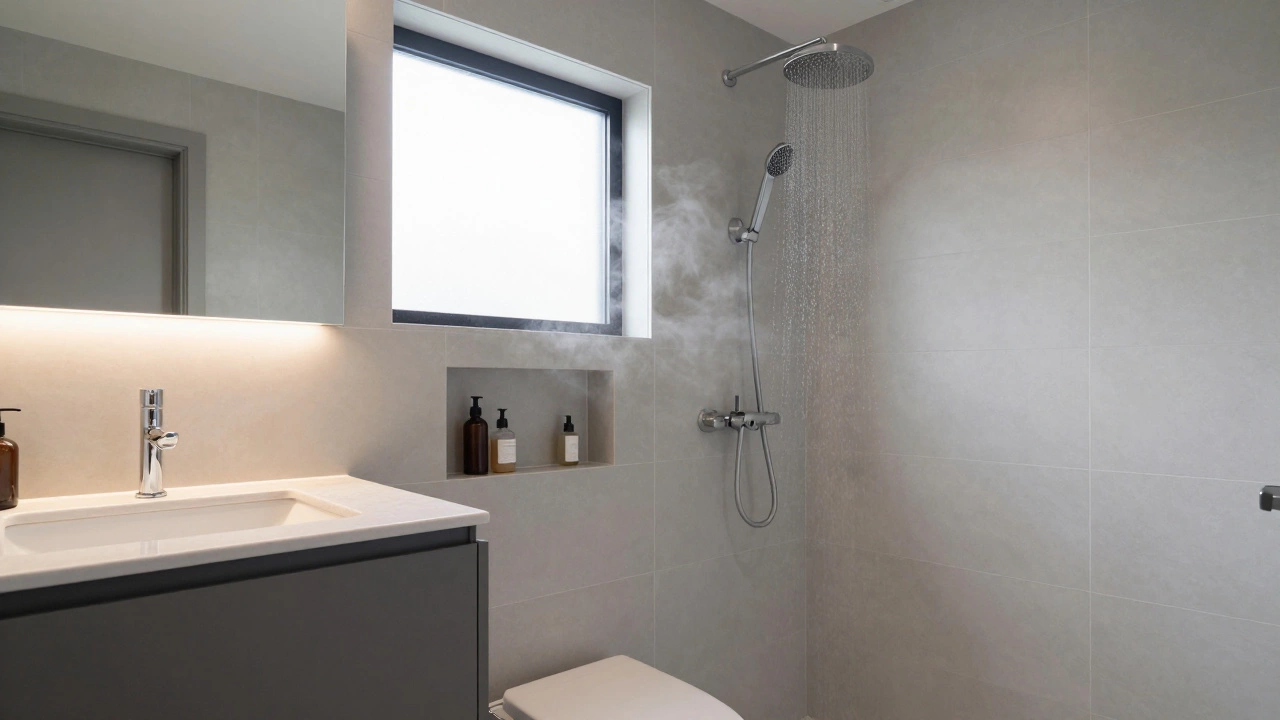
Replace a weak, outdated showerhead with a thermostatic mixer valve and a 200mm rainfall head. It gives you spa-like pressure without wasting water. Brands like Grohe or Hansgrohe are common in Kiwi homes now. Pair it with a waterproof niche for shampoo and soap. No more plastic bottles on the edge of the tub.
Why this matters: A shower that feels luxurious adds perceived value. Buyers don’t just see a shower-they feel what it’s like to use it. A shower that delivers consistent hot water, strong spray, and no scalding risk is a huge selling point. In Wellington, where water pressure can be low, this upgrade alone can make a house feel more premium.
Upgrade to a modern vanity with storage
A vanity isn’t just a sink on a cabinet. It’s storage, counter space, and style all in one. The old plastic laminate vanities from the 90s? They’re a deal-breaker. Buyers expect clean lines, soft-close drawers, and enough space for towels, toiletries, and cleaning supplies.
Go for a 1200mm wide vanity with two drawers and a cabinet below. Solid timber or moisture-resistant MDF with a quartz or stone top lasts decades. Avoid glass tops-they show water spots. Add LED lighting under the mirror. It’s subtle, but it makes morning routines easier and looks expensive.
Storage is the hidden hero. A bathroom with no place to put toothpaste, razors, or toilet paper feels chaotic. A vanity with hidden compartments solves that. Buyers notice when things have a home. They don’t notice the brand of the vanity-just that everything fits.
Use quality, waterproof flooring
Tile is still king, but not just any tile. Large-format porcelain tiles (600x600mm or bigger) with a matte finish are the gold standard. They’re less grout to clean, harder to crack, and look more expensive than small, busy patterns.
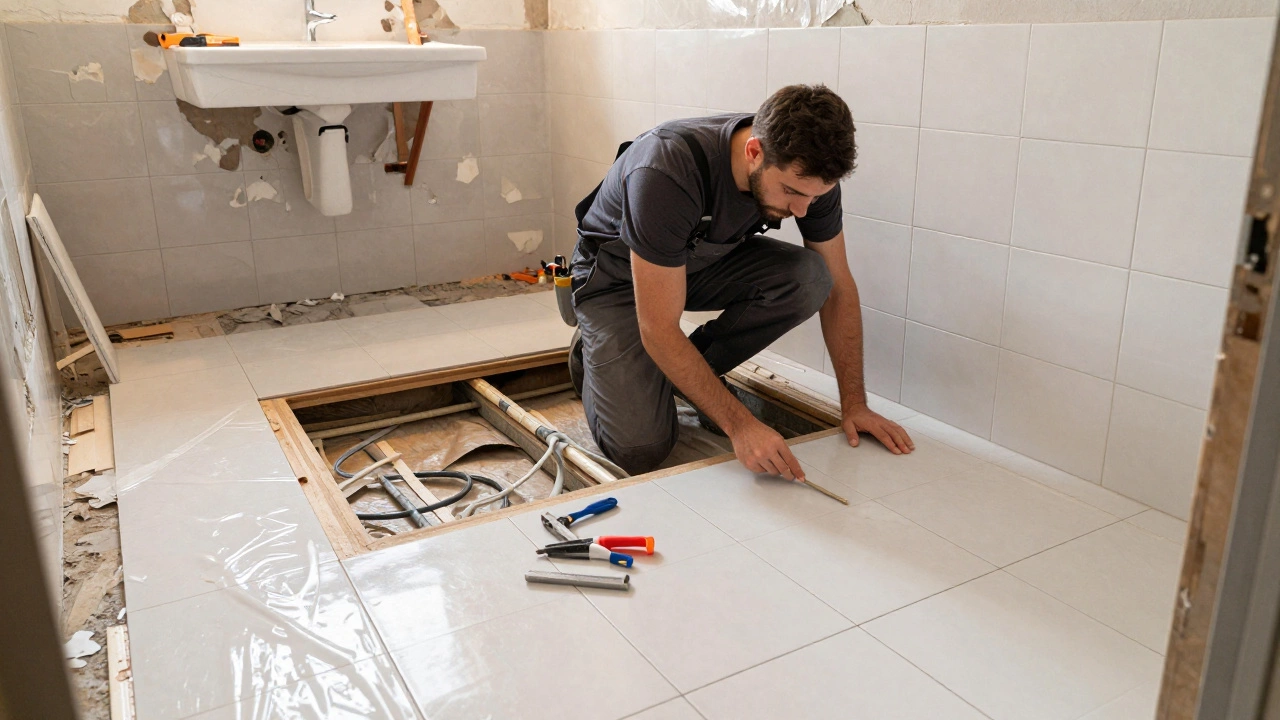
Avoid vinyl plank in bathrooms. Even the best-rated brands warp over time with steam and humidity. In Wellington’s damp climate, moisture is the enemy. Porcelain tile handles it. Install it with a waterproof membrane under the tiles-this isn’t optional. It prevents rot in the subfloor, which can lead to costly structural damage.
Heated floors? Nice, but not essential. If you’re on a budget, skip them. But do invest in slip-resistant tiles. Safety matters more than shine. A fall in the bathroom is one of the most common household injuries. Buyers with older relatives or young kids will notice.
Lighting that works, not just looks
Overhead lights alone are terrible for bathrooms. They cast shadows on your face, making it hard to shave, apply makeup, or even see your eyes clearly. That’s why the best bathrooms have layered lighting.
Install three things: a bright ceiling light for general use, LED strips under the vanity mirror for task lighting, and a dimmable wall switch. The mirror lighting should be at eye level, not above or below. Use 4000K color temperature-cool white, not yellow. It mimics daylight and makes skin tones look natural.
Buyers don’t say, “I love the lighting.” But they do say, “I can actually see myself in the mirror.” That’s the difference between a bathroom that feels functional and one that feels like a retreat.
Replace the toilet with a dual-flush model
A toilet is a fixture you use 5-10 times a day. Yet most homes still have old, water-guzzling models. A dual-flush toilet uses 3 liters for liquid waste and 4.5 for solids. Compare that to a 1980s toilet that uses 13 liters per flush. That’s 10,000 liters saved per year per household.
It’s not just eco-friendly-it’s a selling point. New Zealand has water restrictions in some regions, and buyers know it. A dual-flush toilet signals you’ve thought ahead. Brands like Toto or Kohler offer quiet, powerful flushes with a sleek, low-profile design. No more rattling tanks or weak flushes that need two tries.
And don’t forget the seat. A soft-close, padded seat is a tiny upgrade that feels luxurious. People notice when they don’t have to slam it shut.
Don’t forget ventilation
Condensation is the silent killer of bathrooms. It causes mold, peeling paint, and rot. If your bathroom doesn’t have a properly sized exhaust fan, you’re inviting long-term damage.
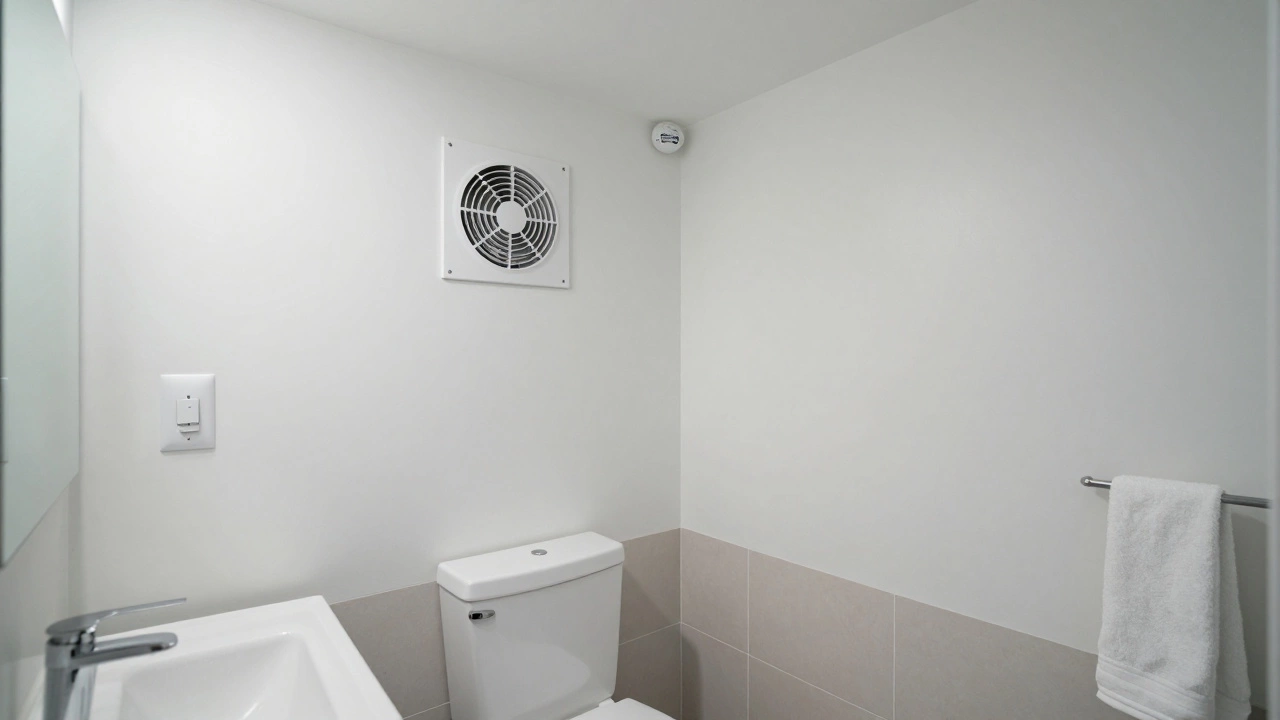
Install a quiet, 100L/s exhaust fan with a humidity sensor. It turns on automatically when the air gets steamy and runs for 15 minutes after you leave. Brands like Vent-Axia or Zehnder are common in modern Kiwi builds. Run the duct directly to the outside-never into the roof cavity. That’s a common mistake that leads to insulation rot.
Buyers don’t check the fan. But they notice mold on the ceiling. Or the smell. Or the peeling wallpaper. A good ventilation system is invisible… until it’s missing.
What doesn’t add value (and why)
Not every trendy upgrade is worth it.
- Freestanding tubs: They look great in magazines, but they’re hard to clean, take up space, and most people don’t use them regularly. Save your money.
- Smart mirrors: They’re expensive and break easily. A good LED-lit mirror with a defogger is enough.
- Expensive stone countertops: Marble looks fancy but stains easily. Quartz is just as beautiful and needs zero sealing.
- Colorful tiles: Bold patterns date fast. Stick to neutral tones-beige, gray, white. They appeal to everyone.
These upgrades might feel like you’re doing something “premium,” but they’re personal tastes. Buyers want reliability, not personality.
What’s the return on investment?
A full bathroom renovation in New Zealand costs between $15,000 and $30,000, depending on materials and labor. But the return? Studies from real estate analysts show you get back 60-80% of your spend at resale. That’s higher than kitchens, which often return only 50-60%.
Why? Because bathrooms are small. You don’t need to redo the whole house to make a big impact. A bathroom that’s clean, modern, and functional makes buyers believe the rest of the house is well cared for. It’s the first room they inspect.
And in Wellington’s market-where homes sell quickly if they’re move-in ready-a bathroom that feels new can mean the difference between an offer in 7 days or 7 weeks.
Quick checklist: What to prioritize
- Fix leaks and upgrade plumbing
- Install a powerful, thermostatic shower
- Replace vanity with storage and quartz top
- Lay large-format, slip-resistant porcelain tile
- Add layered LED lighting (especially under mirror)
- Switch to dual-flush toilet
- Install a humidity-sensing exhaust fan
Do these seven things, and you’re not just renovating a bathroom. You’re making your house more valuable, more livable, and more appealing to the next owner.
What bathroom upgrade gives the best return on investment?
The shower upgrade gives the best return. A modern, high-pressure thermostatic shower with good lighting and storage feels luxurious without costing a fortune. Buyers notice it immediately, and it’s one of the most-used fixtures in the home. It typically costs $3,000-$5,000 and adds 70-80% of its value back at resale.
Is it worth replacing the toilet?
Yes, if it’s older than 15 years. Old toilets waste water, flush poorly, and look dated. A dual-flush model costs under $1,000 installed and saves thousands of liters a year. It’s a small change that signals the home is updated and eco-conscious-two things buyers care about now.
Should I do a full tile overhaul?
Only if the tiles are cracked, stained, or outdated. If they’re in decent shape, you can save money by painting the walls, upgrading the vanity, and installing new lighting. But if you’re doing a full renovation, large-format porcelain tiles are the best long-term choice. They’re durable, easy to clean, and look expensive.
Can I save money by doing it myself?
You can save on labor if you’re handy, but don’t touch plumbing, electrical, or waterproofing unless you’re licensed. A bad waterproofing job can rot your floor and cost $10,000 to fix later. Hire a plumber and electrician for those parts. Paint, install the vanity, and lay tiles yourself if you’re confident. Always get a building consent for structural changes.
How long does a bathroom renovation take?
A standard bathroom renovation takes 2-4 weeks. Plumbing and waterproofing alone take 5-7 days. Tile installation and drying take another 5-7. Then fixtures, lighting, and finishing touches. Rushing leads to mistakes. Plan for delays-especially if you’re waiting on custom vanities or tiles.