
What Are the 10 Most Common Materials Used in Construction?
 Dec, 1 2025
Construction Material Selector
Find the Best Materials for Your Project
Answer a few questions to get recommendations for materials that best match your needs, climate, and budget.
When you look at a building-whether it’s a cozy house in Wellington or a skyscraper in Tokyo-you’re not just seeing design and structure. You’re seeing materials. The things that hold it all together. Over time, builders have settled on a short list of materials that work reliably, cost-effectively, and safely. These aren’t trends. They’re the backbone of every project, from small renovations to massive infrastructure. Here are the 10 most common materials used in construction today, and why they’re still the go-to choices.
Concrete
Concrete is the most used construction material on the planet. More than 10 billion tons are produced every year. It’s cheap, strong under compression, and can be poured into almost any shape. In New Zealand, you’ll find it in foundations, driveways, retaining walls, and even entire floors in apartment buildings. Modern concrete often includes additives like fly ash or silica fume to make it last longer and resist cracking. It doesn’t rust, rot, or burn. That’s why it’s the first choice for anything that needs to bear weight or stay put for decades.
Steel
Steel is the muscle behind modern construction. It’s what lets buildings reach 50, 80, even 100 stories high. Unlike wood, it doesn’t warp or shrink. Unlike concrete, it’s tensile-meaning it can handle pulling forces. That’s why it’s used in beams, columns, and rebar inside concrete. In earthquake-prone areas like Wellington, steel frames are often designed to flex during tremors, absorbing energy instead of breaking. High-strength steel alloys are now common in commercial projects, offering more load capacity with less material.
Wood
Wood still dominates residential construction in North America, Europe, and New Zealand. It’s renewable, easy to cut and nail, and has good insulation properties. In New Zealand, radiata pine is the most common species-fast-growing, locally sourced, and treated to resist insects and moisture. Light-frame timber construction (2x4s and 2x6s) is the standard for houses. Even in multi-story buildings, engineered wood products like cross-laminated timber (CLT) are gaining ground. CLT panels are strong enough for mid-rise apartments and offer better carbon storage than concrete or steel.
Brick
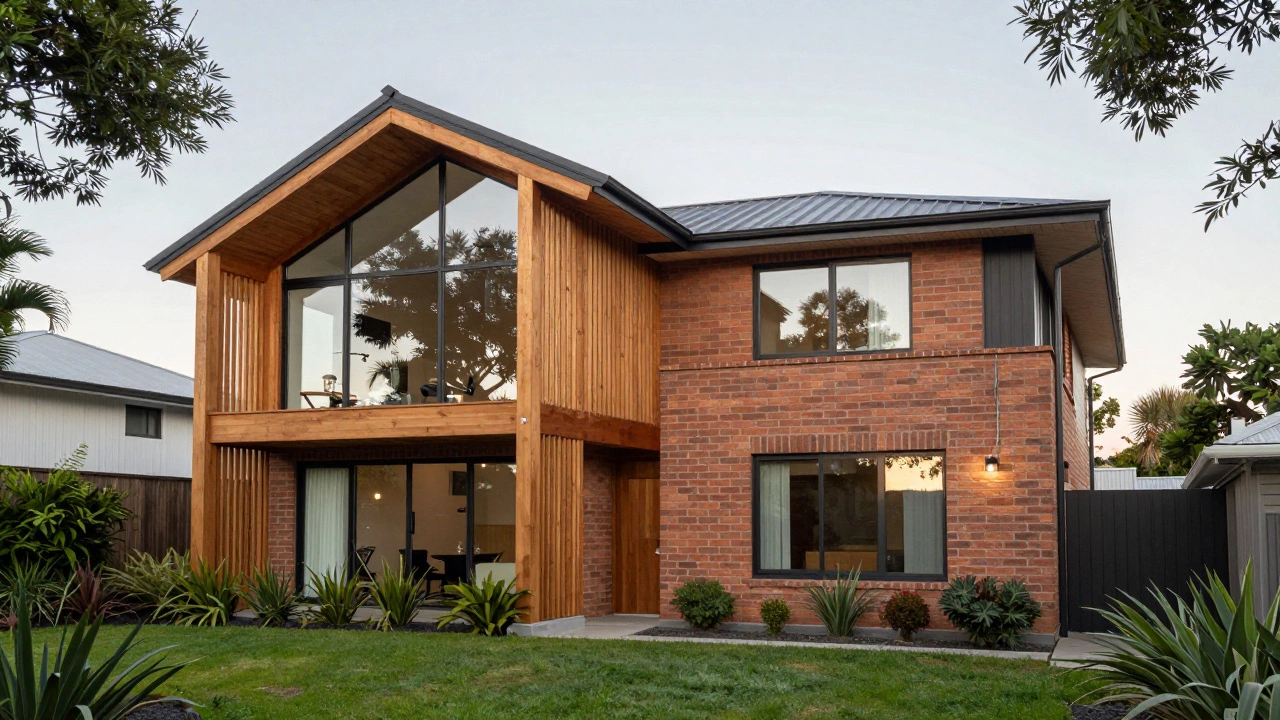
Brick has been around for 5,000 years, and it’s still going strong. It’s fireproof, low-maintenance, and gives a classic look that never goes out of style. In urban areas, brick is often used as a veneer over wood or steel frames, but in older homes and commercial buildings, it’s the structural wall itself. Clay bricks are fired at high temperatures, making them durable in wet climates. In Wellington, you’ll see a lot of brick veneer homes built in the 1970s and 80s-they still look good, and they don’t need painting. The downside? Heavy. Requires solid foundations.
Glass
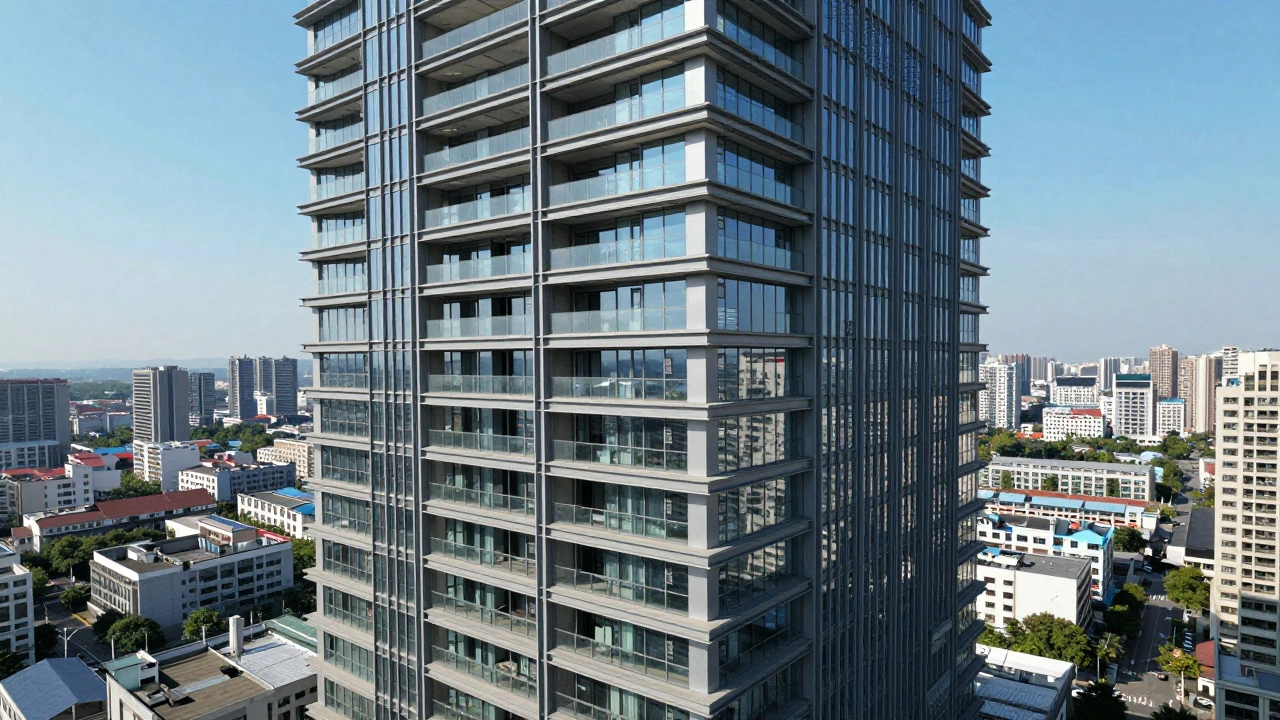
Glass used to be just for windows. Now it’s part of walls, roofs, even floors. Advances in technology have made modern glass strong, energy-efficient, and safe. Tempered glass shatters into small, blunt pieces instead of sharp shards. Low-E coatings reflect heat, keeping buildings cooler in summer and warmer in winter. Double- and triple-glazed units are standard in new homes. In commercial buildings, curtain walls made entirely of glass are common. They let in natural light, reduce lighting costs, and create open, airy spaces. But glass isn’t cheap, and it’s not great for insulation on its own-it needs support from frames and seals.
Asphalt
Asphalt is the material under your feet when you drive on a road or walk on a driveway. It’s a mix of bitumen (a sticky black residue from oil refining) and crushed stone or sand. It’s flexible, quick to lay, and repairs easily. In New Zealand, asphalt is used for 90% of road surfaces. It’s also common for roofing shingles and waterproofing membranes. Modern asphalt includes polymer modifiers to resist cracking in cold weather. It’s not glamorous, but without it, getting from point A to point B would be a lot harder-and a lot more expensive.
Drywall
Drywall (also called gypsum board or plasterboard) replaced plaster in the 1950s and hasn’t looked back. It’s fast to install, smooth to finish, and fire-resistant. A typical New Zealand home uses about 1,500 square feet of drywall. It’s made from gypsum sandwiched between thick paper. Fire-rated drywall includes fiberglass mesh and additives to slow flame spread-required by building codes in hallways and garages. It’s not waterproof, so in bathrooms and kitchens, moisture-resistant green board or cement board is used instead. Drywall is cheap, easy to patch, and lets you hang shelves, TVs, and pictures with simple nails or screws.
Insulation
Insulation isn’t visible, but it’s one of the most important materials in any building. It keeps heat in during winter and out during summer. In New Zealand, where energy bills are rising, insulation is now mandatory in new homes. Fiberglass batts are still common, but spray foam and rigid foam boards are growing fast. Spray foam fills gaps perfectly and acts as both insulator and air seal. Rigid foam (like polystyrene or polyisocyanurate) is used under slabs and on exterior walls. Cellulose, made from recycled paper, is a popular eco-friendly option. Good insulation cuts energy use by 30-50%. Skip it, and your heating bills will haunt you.
Aluminum
Aluminum is light, corrosion-resistant, and easy to shape. It’s everywhere in modern construction: window frames, siding, roofing, and structural supports. In coastal areas like Wellington, aluminum doesn’t rust like steel, making it ideal for salty air. It’s also used in curtain walls and cladding systems because it’s durable and recyclable-about 75% of all aluminum ever made is still in use today. Anodized aluminum has a hard, colored finish that doesn’t need painting. It’s more expensive than vinyl, but lasts longer and looks sharper over time.

Plastic and Synthetic Materials
Plastic and synthetic materials are quietly taking over in ways you might not notice. PVC pipes are standard for plumbing and drainage because they’re cheap, leak-proof, and don’t corrode. Vinyl siding is popular for homes because it never needs painting and resists rot. Composite decking-made from wood fibers and recycled plastic-is replacing pressure-treated lumber on decks. Polycarbonate sheets are used for skylights and greenhouses because they’re 200 times stronger than glass and lightweight. Even insulation and sealants now use advanced polymers that last longer and perform better. These aren’t flashy, but they’re solving real problems: durability, maintenance, and sustainability.
Why These 10? The Real Rules
These materials aren’t popular because they’re trendy. They’re popular because they pass three simple tests:
- Can it do the job? Concrete holds weight. Steel resists tension. Insulation keeps heat in.
- Can it last? Brick and steel last 100+ years. Asphalt and drywall need replacing, but they’re cheap and easy to fix.
- Can you afford it? Wood is cheaper than steel. Glass is pricier than brick. Builders choose based on budget, code, and climate.
There are new materials coming-self-healing concrete, carbon-fiber composites, hempcrete-but none have replaced these 10. Why? Because they haven’t proven they’re better, cheaper, or more reliable at scale. Until they do, these remain the foundation of every build.
What’s Missing? The Materials You Don’t See
There are hundreds of materials used in construction, but most are niche. Copper for wiring. Lead for old pipes (now banned). Stone for decorative accents. Titanium for high-end roofing. But these aren’t common. They’re specialty. The 10 listed here are the ones you’ll find in 9 out of 10 buildings you walk into. They’re the silent team that makes construction possible.
What is the most commonly used construction material worldwide?
Concrete is the most commonly used construction material globally. Over 10 billion tons are produced annually, far more than any other material. It’s used in foundations, roads, bridges, and buildings because it’s inexpensive, strong under compression, and versatile in shape.
Is wood still used in modern construction?
Yes, wood is still widely used, especially in residential construction. In New Zealand and North America, light-frame timber is the standard for houses. Engineered wood products like cross-laminated timber (CLT) are now being used in mid-rise apartment buildings because they’re strong, sustainable, and fire-resistant when properly treated.
Why is steel preferred for tall buildings?
Steel is preferred for tall buildings because it has high tensile strength, meaning it can handle pulling forces that concrete can’t. It’s also lighter than concrete per unit of strength, allowing for taller structures without overly thick foundations. In earthquake zones, steel frames can flex and absorb seismic energy, making them safer.
Are plastic materials safe for construction?
Yes, modern plastic materials like PVC pipes, vinyl siding, and composite decking are engineered to be safe and durable. They don’t rot, rust, or attract pests. Many are made from recycled content and meet strict building codes. The key is using products certified for construction-not household plastics.
Which material is best for insulation in New Zealand?
For New Zealand’s temperate climate, fiberglass batts are common, but spray foam and rigid foam boards offer better performance. Spray foam seals air leaks while insulating, and rigid foam is great under slabs or on exterior walls. Cellulose (recycled paper) is a popular eco-friendly option. The best choice depends on budget, location, and whether you’re retrofitting or building new.
Do modern buildings still use brick?
Yes, but often as a veneer rather than structural support. Brick is still valued for its durability, fire resistance, and classic look. In New Zealand, brick veneer homes from the 1970s-90s are still common. New builds use brick for aesthetics and low maintenance, with wood or steel frames behind it.
What’s replacing traditional roofing materials?
Asphalt shingles are still the most common roofing material due to cost and ease of installation. But metal roofing is growing fast-it lasts longer, resists wind and fire, and reflects heat. In coastal areas, aluminum and zinc alloys are popular. Some new homes use recycled plastic or composite shingles that mimic tile or wood but don’t rot.
Is glass a good insulator in buildings?
Glass alone is a poor insulator. But modern double- and triple-glazed windows with low-emissivity (Low-E) coatings and inert gas fills (like argon) perform well. These units reduce heat loss by up to 50% compared to single-pane glass. In energy-efficient buildings, glass is paired with thermal breaks in frames to prevent heat transfer.
What Comes Next?
These 10 materials aren’t going anywhere soon. But the way we use them is changing. Builders are stacking them smarter-using steel and concrete together, combining insulation with air barriers, layering materials for performance instead of just strength. The future isn’t about replacing these materials. It’s about using them better-less waste, less energy, longer life. That’s the real evolution in construction.