
What Does 'Commercial Project' Mean in Construction?
 Jan, 15 2026
Commercial vs Residential Construction Cost Calculator
Cost Comparison Tool
Compare construction costs between commercial and residential projects using industry-standard rates. Based on New Zealand construction data.
Results
Commercial projects use commercial-grade materials, specialized systems, and stricter compliance standards. This results in higher costs than residential construction. Based on New Zealand rates: $4,500/m² for commercial vs $3,000/m² for residential.
When you hear the term commercial project, it doesn’t just mean a building. It means a building built for business - not for people to live in. Think office towers, shopping centers, hotels, warehouses, hospitals, and restaurants. These aren’t homes. They’re spaces designed to make money, serve customers, or run operations. If a building’s main purpose is to support a business, it’s a commercial project.
What Makes a Project Commercial?
The difference between a commercial project and a residential one is simple: who uses it and why. A house is built so a family can live in it. A commercial building is built so a company can operate in it. That changes everything - from the size of the doors to the strength of the floors.
Take a typical office building. It needs wide hallways for people to move between departments, high-capacity elevators for dozens of workers, and HVAC systems that run 24/7. Residential homes don’t need that. A grocery store needs heavy-duty shelving, refrigerated storage, and fire exits that can handle crowds. A house? Just a kitchen, a bedroom, and maybe a backyard.
Commercial projects also follow stricter codes. In New Zealand, they must meet the Building Code’s requirements for accessibility, fire safety, and structural load. A retail center might need wheelchair ramps, emergency lighting, and sprinkler systems that cover every square meter. A single-family home? It might only need one smoke alarm.
Common Types of Commercial Projects
Not all commercial buildings are the same. Here are the most common types you’ll see:
- Office buildings - From small business suites to 30-story towers in city centers. These are built for work, not sleep.
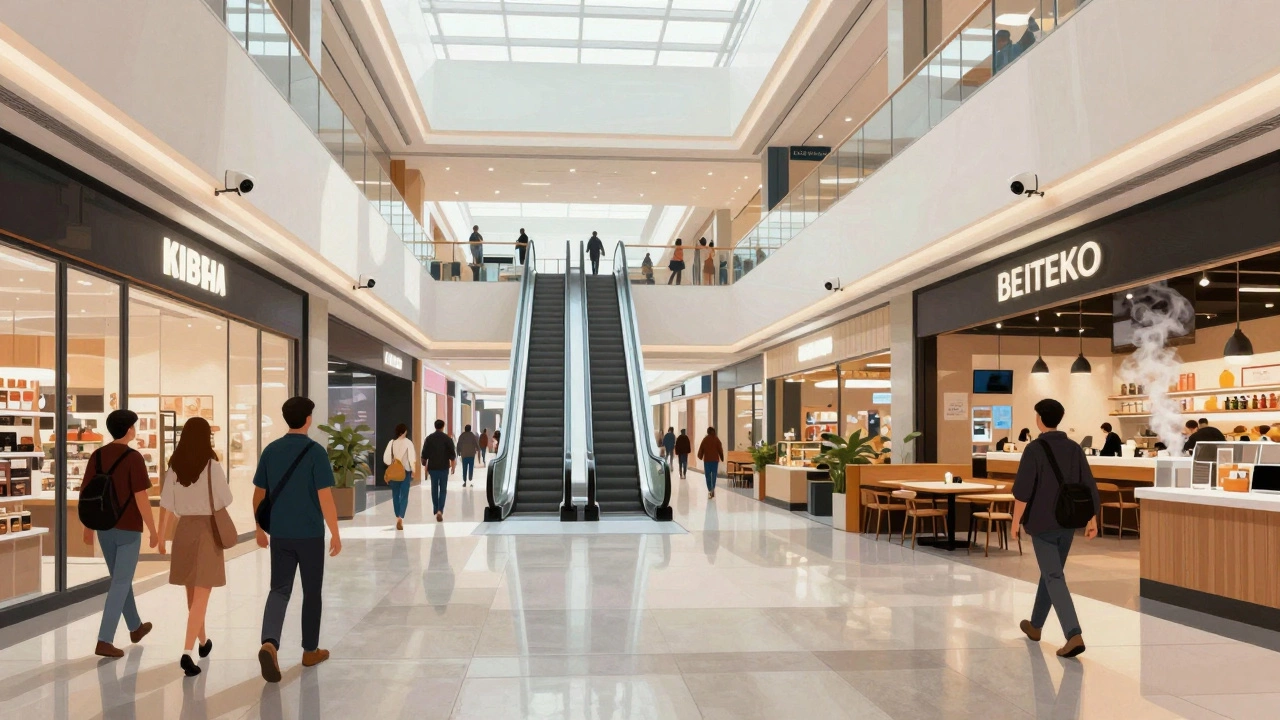
- Retail spaces - Malls, strip centers, standalone stores. They need high foot traffic, good lighting, and easy access.
- Hospitality - Hotels, motels, resorts. These require guest rooms, kitchens, laundry, and front desks that run nonstop.
- Healthcare facilities - Clinics, dental offices, small hospitals. They need sterile environments, specialized ventilation, and ADA-compliant layouts.
- Industrial and warehouse spaces - Factories, distribution centers, logistics hubs. These have high ceilings, loading docks, and reinforced floors for heavy machinery.
- Public service buildings - Libraries, community centers, government offices. These serve the public but are still commercial because they’re funded and operated by organizations, not private families.
Even a coffee shop in a strip mall counts. If it’s rented out to a business owner who pays rent to make profit, it’s commercial. The scale doesn’t matter - the purpose does.
How Commercial Projects Are Funded
Residential homes are usually paid for by families using mortgages. Commercial projects? They’re funded differently. Banks, private investors, or corporations put up the cash. The return comes from rent, sales, or operational savings.
A developer might build a five-story office block because they know a tech company will lease 80% of the space for $50 per square foot per year. That’s a long-term income stream. A homeowner doesn’t buy a house to rent it out - they buy it to live in. That’s why commercial financing is more complex. Lenders look at cash flow, tenant credit, and market demand before approving a loan.
In Wellington, for example, a new medical clinic in Newtown might get funding because the local health board has signed a 10-year lease. That lease guarantees income, which makes lenders comfortable. Without that, the project wouldn’t get off the ground.
Who Builds Commercial Projects?
General contractors handle both residential and commercial builds, but commercial projects need specialized teams. You don’t just need carpenters and plumbers. You need experts in:
- Structural steel installation
- High-rise crane operations
- Fire alarm and sprinkler systems
- Building automation and HVAC controls
- Accessibility compliance (like NZS 4121)
Commercial projects often involve multiple subcontractors working at once - electricians, elevator installers, IT cabling teams, security system providers. Coordination is key. A delay in one area can hold up the whole schedule.
Residential builds might take 6-9 months. A commercial project like a new supermarket can take 12-18 months. Larger ones, like a hospital, can take over three years. The complexity grows with the size.
Why Commercial Projects Are More Expensive
Yes, a commercial building costs way more than a house - even if it’s the same square footage. Why?
- Materials - Commercial buildings use steel frames, concrete slabs, and commercial-grade windows. Residential homes use wood framing and standard glass.
- Systems - A commercial HVAC system can cost 10 times more than a home unit because it has to cool 10,000 square feet, not 150.
- Labor - Skilled trades for commercial work earn higher rates. Electricians who install data centers or plumbers who fit medical gas lines aren’t cheap.
- Permits and inspections - Commercial projects go through more layers of approval. Each floor, each system, each exit must be signed off by multiple agencies.
- Insurance and bonding - Contractors need higher liability coverage. If a warehouse collapses, the financial risk is huge.
On average, a commercial build in New Zealand costs between $3,000 and $6,000 per square meter. A new home? Around $2,500 to $3,500 per square meter. That difference isn’t just about size - it’s about standards, safety, and scale.
What Happens After Construction?
Once a commercial project is done, the work doesn’t stop. Maintenance is ongoing and critical. A hotel needs daily cleaning, elevator checks, and HVAC servicing. A warehouse needs forklift-safe flooring and fire door inspections every six months.
Commercial tenants often sign long-term leases. That means the building must last - not just structurally, but functionally. Outdated wiring, broken elevators, or poor lighting can drive tenants away. That’s why commercial buildings are designed for longevity, not just aesthetics.
Many commercial owners hire facility managers to handle repairs, upgrades, and compliance. They don’t wait for something to break. They plan ahead. That’s the difference between a house you fix when it leaks, and a building you maintain to keep making money.
Common Misconceptions
People often think ‘commercial’ means ‘big.’ But a small business - like a boutique gym or a local law firm - can be a commercial project too. It’s not about size. It’s about use.
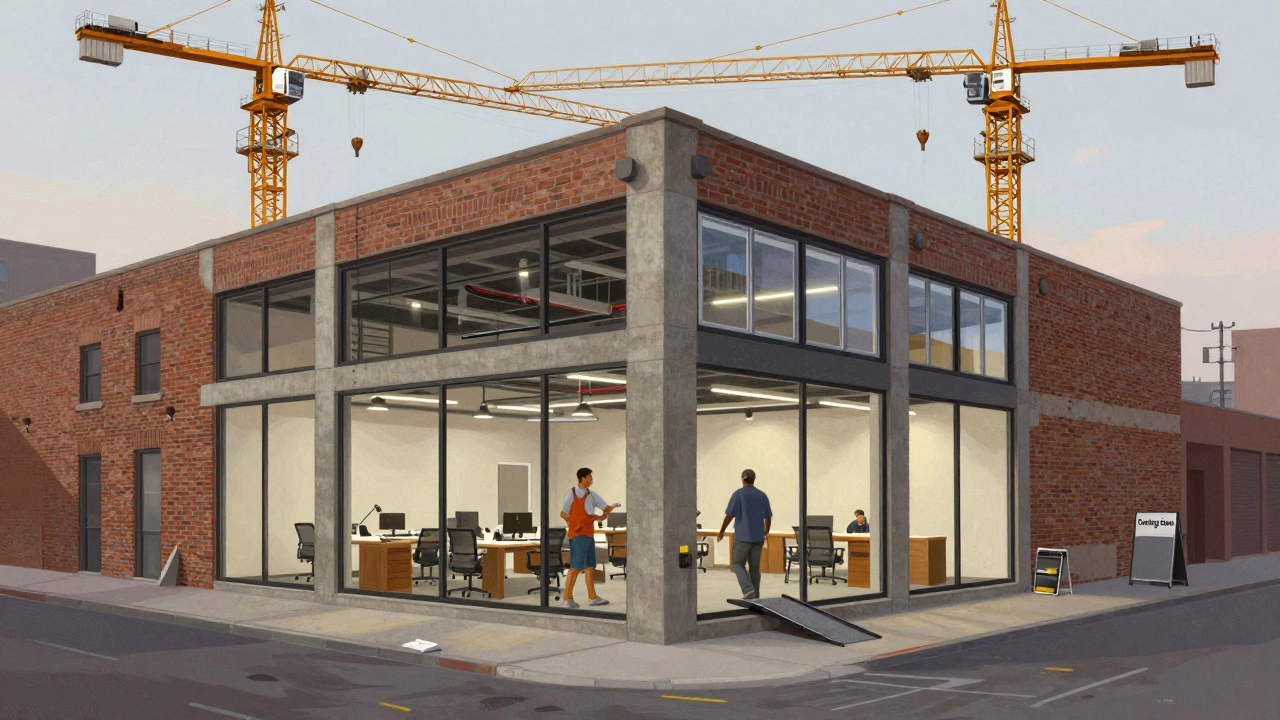
Another myth: commercial buildings are always new. Not true. Many are renovations. A 1980s office block in Auckland might get stripped down and turned into a co-working space. That’s still a commercial project. The original structure might be old, but the purpose has changed.
And no, commercial doesn’t mean ‘luxury.’ A fast-food drive-thru is commercial. A public library is commercial. A storage unit facility is commercial. They’re not fancy, but they’re all built to serve a business purpose.
How to Tell If Something Is Commercial
If you’re unsure, ask these three questions:
- Is the building rented out to a business or organization?
- Does it generate income through rent, sales, or services?
- Is it regulated under commercial building codes (not residential)?
If the answer is yes to all three, it’s a commercial project. It doesn’t matter if it’s a 100,000-square-foot warehouse or a tiny dental clinic in a converted shop. If it’s for business, it’s commercial.
Why This Matters to You
Whether you’re a business owner looking to lease space, an investor considering a property, or just curious about how cities work - understanding what makes a project commercial helps you make better decisions.
Want to open a café? You need to know the difference between a residential property you can rent and a commercial space that’s zoned for food service. The latter will have the right plumbing, ventilation, and waste systems. The former won’t. Trying to convert a house into a restaurant? It’s possible, but it’s expensive and often not worth it.
Investors looking for steady income? Commercial properties often offer longer leases and higher returns than residential rentals - but they also come with more risk and management complexity.
And if you’re in construction? Knowing the difference helps you price jobs right, hire the right crew, and avoid costly mistakes.
Is a restaurant a commercial project?
Yes. A restaurant is a commercial project because it’s a business space designed to serve customers and generate income. It requires commercial-grade kitchens, ventilation systems, fire suppression, and accessibility features that homes don’t need.
Can a house be turned into a commercial project?
It can, but it’s not simple. You need to change the zoning, upgrade systems like plumbing and electrical, add fire exits, and meet commercial building codes. Many home-based businesses - like daycares or offices - require permits and inspections. It’s often cheaper and easier to rent or buy a space already built for commercial use.
Do commercial projects need permits?
Yes, and more than residential projects. Commercial builds require approvals for structural design, fire safety, accessibility, environmental impact, and sometimes traffic flow. In New Zealand, you’ll need consent from the local council and often from WorkSafe or the Ministry of Health, depending on the use.
Are commercial buildings more expensive to maintain?
Usually, yes. They have larger systems - HVAC, elevators, lighting - that need regular servicing. They also face higher wear and tear from more people using them. A 10,000-square-foot office building might spend $150,000 a year on maintenance, while a similar-sized home might spend $15,000. The scale and usage make the difference.
What’s the difference between commercial and industrial projects?
Commercial projects serve customers or businesses - like offices, shops, or hotels. Industrial projects are for manufacturing, production, or heavy storage - like factories, power plants, or chemical plants. Industrial buildings need even stronger floors, specialized ventilation, and safety systems for hazardous materials. They’re a subset of commercial construction but with stricter technical requirements.