
What Is a Major Structural Defect in a New House?
 Dec, 1 2025
Structural Defect Risk Checker
This tool helps you assess whether your home issues might indicate a major structural defect based on building code standards and expert analysis. Input your observations to see if they match red flag criteria.
When you buy a new house, you expect it to be solid, safe, and built to last. But too often, what looks like a dream home on paper hides serious problems underneath the surface. A major structural defect in a new house isn’t a cracked tile or a sticky door-it’s something that threatens the entire safety and stability of the building. These aren’t minor oversights. They’re errors that can lead to collapse, costly repairs, or even legal battles years later.
What Counts as a Major Structural Defect?
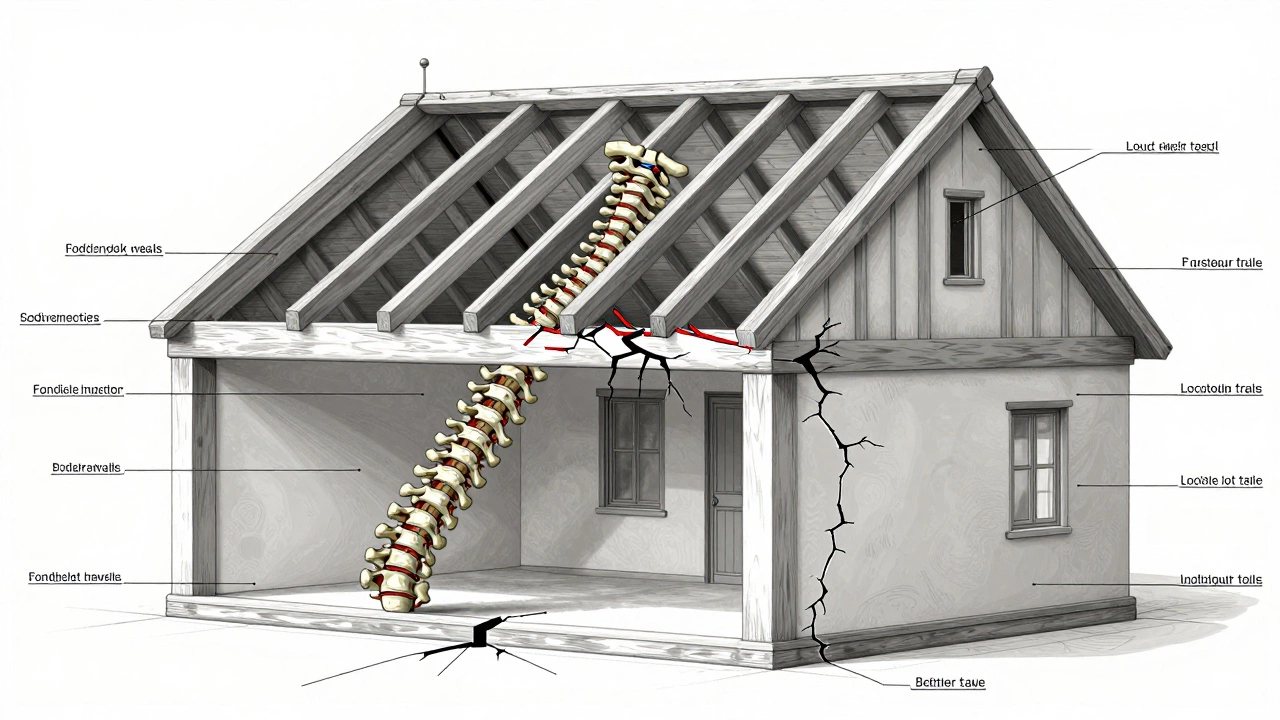
A major structural defect is any flaw in the load-bearing parts of a house that compromises its ability to support weight and resist forces like wind, snow, or earthquakes. This includes the foundation, load-bearing walls, roof trusses, beams, columns, and the connections between them. If any of these fail, the whole structure is at risk.
Think of it like a human skeleton. A broken finger hurts, but a broken spine? That’s life-changing. Same with a house. A leaky roof is annoying. A sagging main beam? That’s a red flag.
Common examples include:
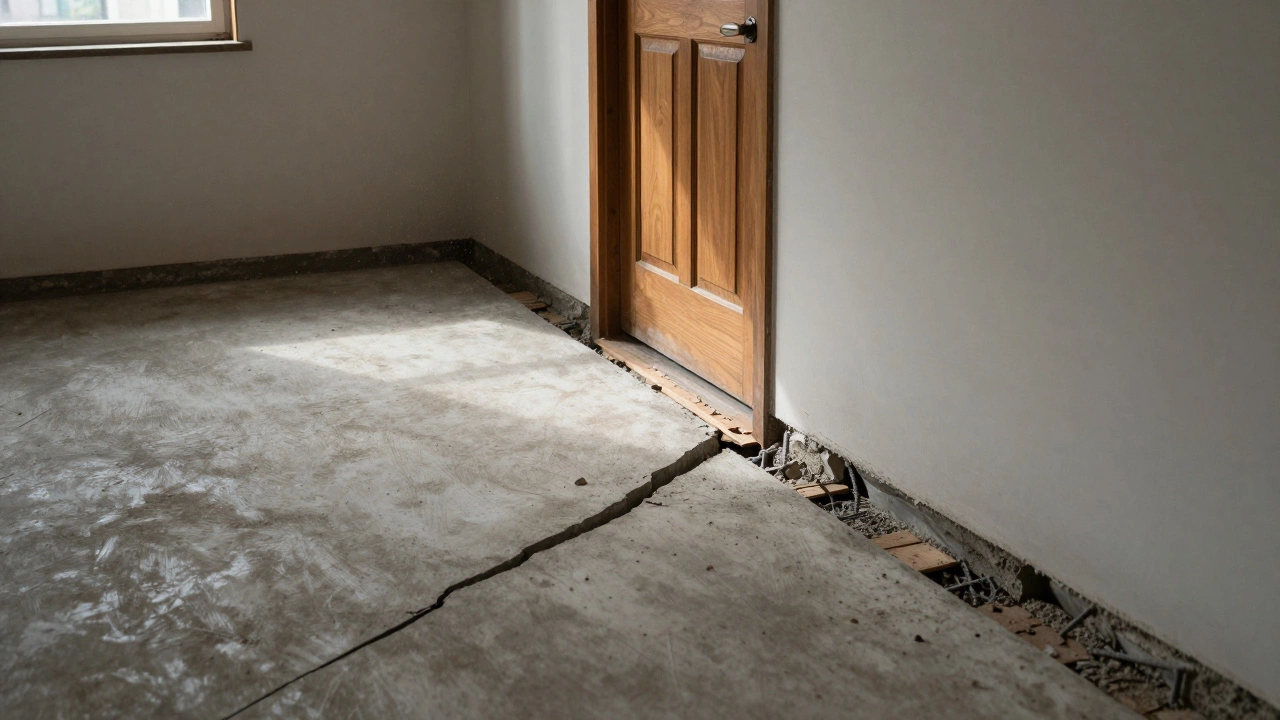
- Cracks wider than 1/4 inch in the foundation that run diagonally or are widening over time
- Settling that causes doors and windows to jam permanently, not just stick slightly
- Missing or improperly installed steel reinforcement in concrete footings
- Roof trusses that are undersized, misaligned, or nailed with the wrong type of fasteners
- Load-bearing walls built without proper headers or support
These aren’t just "builder mistakes." They’re violations of building codes designed to protect you. In many cases, they happen because contractors cut corners to save time or money-and buyers pay the price later.
Why Do Major Structural Defects Happen in New Builds?
You’d think new construction means better quality. But the opposite is often true. The pressure to build fast and cheap has led to widespread issues in new housing developments, especially in fast-growing areas.
Here’s how it happens:
- Understaffed inspectors: Many municipalities have only one inspector for dozens of sites. They might spend 15 minutes on a foundation pour, missing critical errors like insufficient rebar or poor compaction.
- Subcontractor turnover: A foundation crew might be replaced mid-job by a cheaper, less experienced team. No one checks if the new crew knows the plans.
- Use of substandard materials: Some builders use lower-grade lumber, thinner steel, or recycled concrete with unknown strength ratings to hit profit targets.
- Design errors: Architects sometimes design for ideal conditions-flat land, perfect soil-without accounting for real-world factors like clay soil that expands when wet.
In 2024, the National Association of Home Builders reported that 1 in 5 new homes in the U.S. had at least one structural issue discovered during the first year. That’s not a fluke. It’s a pattern.
How to Spot a Major Structural Defect Before You Buy
Most new home buyers skip the professional inspection. They trust the builder. Big mistake.
You need a licensed structural engineer-not just a general home inspector-to check for these problems. Here’s what to look for:
- Foundation cracks: Hairline cracks are normal. But if you can fit a dime into a crack, or if it’s wider than a pencil and runs from the foundation up into the wall, it’s serious. Look for stair-step cracks in brick or block walls.
- Uneven floors: Use a level or roll a marble across the floor. If it rolls toward one corner, the foundation may be sinking unevenly.
- Doors and windows that won’t close: If doors stick in multiple places, or windows won’t latch even after adjusting the hardware, the frame may be warped from shifting walls.
- Cracks in drywall: Vertical cracks above door frames are usually normal. Diagonal cracks that start at the top corners of windows and run down toward the floor? That’s a sign of foundation movement.
- Visible gaps: Look between the foundation and the siding. If you can see daylight, the house may be pulling away from its base.
Also, check the attic. Are the roof trusses straight? Are the nails holding them in place? Are there any signs of sagging or bowing? A single truss failure can bring down half the roof.
What Happens After You Discover a Defect?
If you find a major structural defect in a new home, your first step is to document everything-photos, videos, dates, and written notes. Then hire a structural engineer to write a formal report.
Most new homes come with a warranty. In the U.S., the typical builder warranty covers:
- 1 year: Workmanship and materials
- 2 years: Systems like plumbing, electrical, HVAC
- 10 years: Major structural defects
That 10-year window is your lifeline. But builders often delay or deny claims. You’ll need that engineer’s report to prove the defect wasn’t caused by your actions (like overloading floors or poor drainage).
If the builder refuses to fix it, you may need to file a claim with your state’s home warranty board or pursue legal action. In states like California and Florida, there are specific laws requiring builders to fix structural defects within a reasonable time-or pay for repairs themselves.
Real Cases: What Major Defects Look Like in Practice
In 2023, a family in Phoenix bought a new 3,000-square-foot home. Six months later, their garage floor cracked, then the living room ceiling started sagging. An engineer found the foundation had been poured over loose fill dirt without proper compaction. The footings were only 12 inches deep instead of the required 36 inches. The house was literally sinking.
In Texas, a developer built 80 homes using pre-fabricated trusses that were not engineered for the region’s heavy snow loads. In the first winter, 12 roofs collapsed under 18 inches of snow. The builder claimed it was "an act of God." The courts ruled it was negligence.
These aren’t rare. They’re becoming more common as housing demand outpaces skilled labor and oversight.
How to Protect Yourself When Buying a New Home
Don’t assume your new home is safe just because it’s new. Here’s how to avoid becoming a statistic:
- Always hire an independent structural engineer for a pre-closing inspection. Don’t rely on the builder’s inspector.
- Ask for the building plans and permits. Verify that the home was built to code.
- Check soil reports. If the land was filled in, make sure it was compacted properly.
- Read the warranty document carefully. Know what’s covered and what’s excluded.
- Take photos of everything before you move in-walls, floors, ceilings, foundation.
- Keep all communication with the builder in writing. Never trust a verbal promise.
Spending $500-$1,000 on a structural inspection might seem expensive. But fixing a foundation problem later can cost $50,000 or more. That’s not a cost-it’s an insurance policy.
What’s Not a Structural Defect?
Not every problem is a structural issue. Don’t panic over:
- Small hairline cracks in drywall (under 1/16 inch)
- Doors that stick slightly in humid weather
- Uneven grout lines
- Minor gaps around trim
- Creaky floors (usually from settling wood, not shifting foundation)
These are normal in new homes. They don’t threaten safety. But if you see multiple signs of movement-cracks, sticking doors, sloping floors-that’s when you need to act.
Can a new house have a structural defect even if it passed inspection?
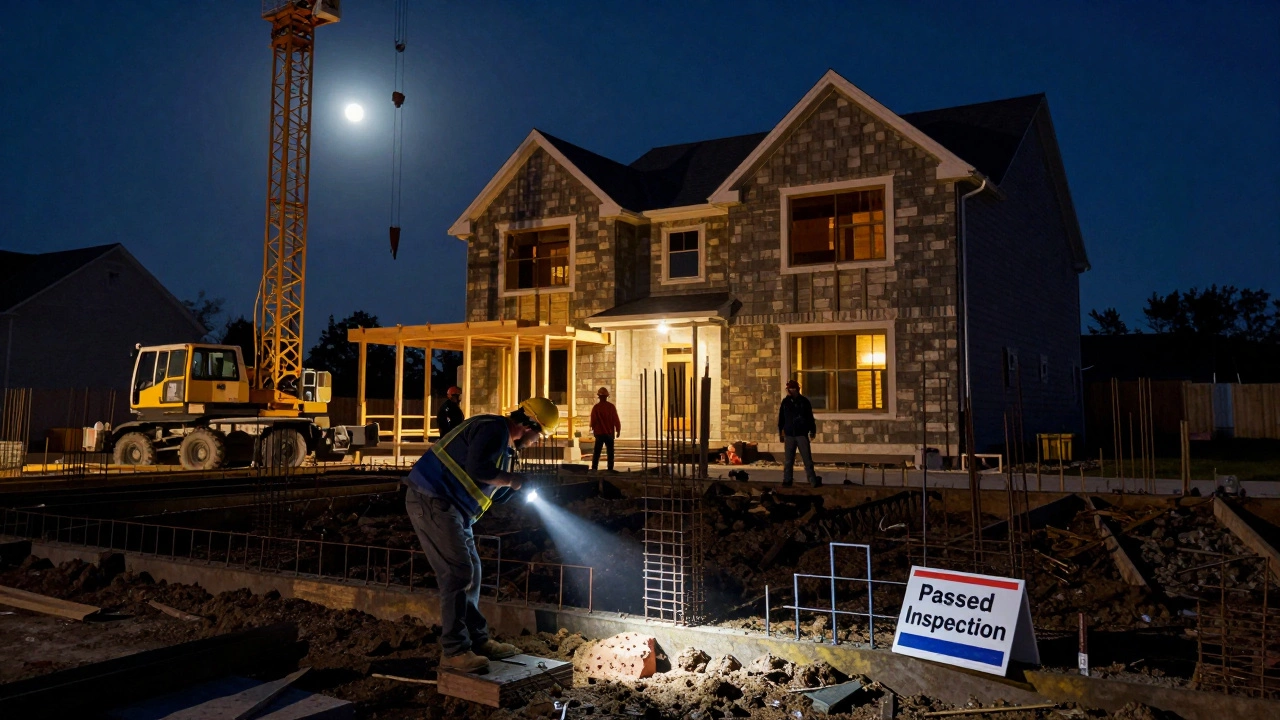
Yes. Municipal inspectors are often overworked and may miss hidden flaws. They check for code compliance, not structural integrity. A house can pass inspection but still have a weak foundation, undersized beams, or improper fastening. That’s why hiring an independent structural engineer is critical.
How long do I have to report a structural defect in a new home?
Most builder warranties cover major structural defects for 10 years from the date of closing. But you should report issues as soon as you notice them. Waiting too long can give the builder grounds to claim the damage was caused by your actions, like landscaping changes or poor drainage. Document everything early.
Is a cracked foundation always a structural defect?
No. Small, hairline cracks are normal as concrete cures. But if the crack is wider than 1/4 inch, runs diagonally, or is getting wider over time, it’s likely a structural issue. Cracks that extend from the foundation up into the walls are especially concerning.
Can I sue the builder for a structural defect?
Yes, if the defect is due to negligence or code violations. You’ll need a professional engineer’s report to prove the issue wasn’t caused by normal settling or homeowner actions. Many states have specific laws protecting buyers of new homes, including right-to-repair laws and implied warranty of habitability.
Should I walk away from a new home if I find a structural defect?
It depends. If the defect is minor and the builder agrees to fix it immediately with a written guarantee, you may be fine. But if the builder denies responsibility, delays, or tries to blame you, walking away is often the safest choice. Fixing major structural issues after closing is expensive, stressful, and rarely restores the home’s value.
Next Steps If You’re Buying a New Home
Don’t wait until you’re handed the keys. Before closing:
- Request a copy of the structural engineering plans and soil report.
- Ask for the inspection reports from the city or county.
- Book a structural engineer to inspect the foundation, framing, and roof before you sign anything.
- Keep a notebook of every conversation with the builder and take daily photos.
A new house should feel secure, not risky. You’re not being paranoid-you’re being smart. The cost of one bad structural decision can last a lifetime.