
What Is the Average Cost of a Loft Conversion in 2026?
 Jan, 29 2026
Loft Conversion Cost Calculator
Estimate Your Loft Conversion Costs
Get a personalized estimate based on New Zealand's 2026 pricing, including location-specific factors and hidden costs.
When you’re thinking about adding space to your home without moving, a loft conversion is one of the smartest moves you can make. But before you start picturing your new bedroom or home office up there, you need to know: how much does a loft conversion actually cost? It’s not a one-size-fits-all number. What you pay depends on your house, what you want to do with the space, and where you live. In New Zealand, especially in places like Wellington, costs can swing wildly - from $50,000 to over $150,000. Let’s break down what you’re really paying for.
What’s Included in a Loft Conversion?
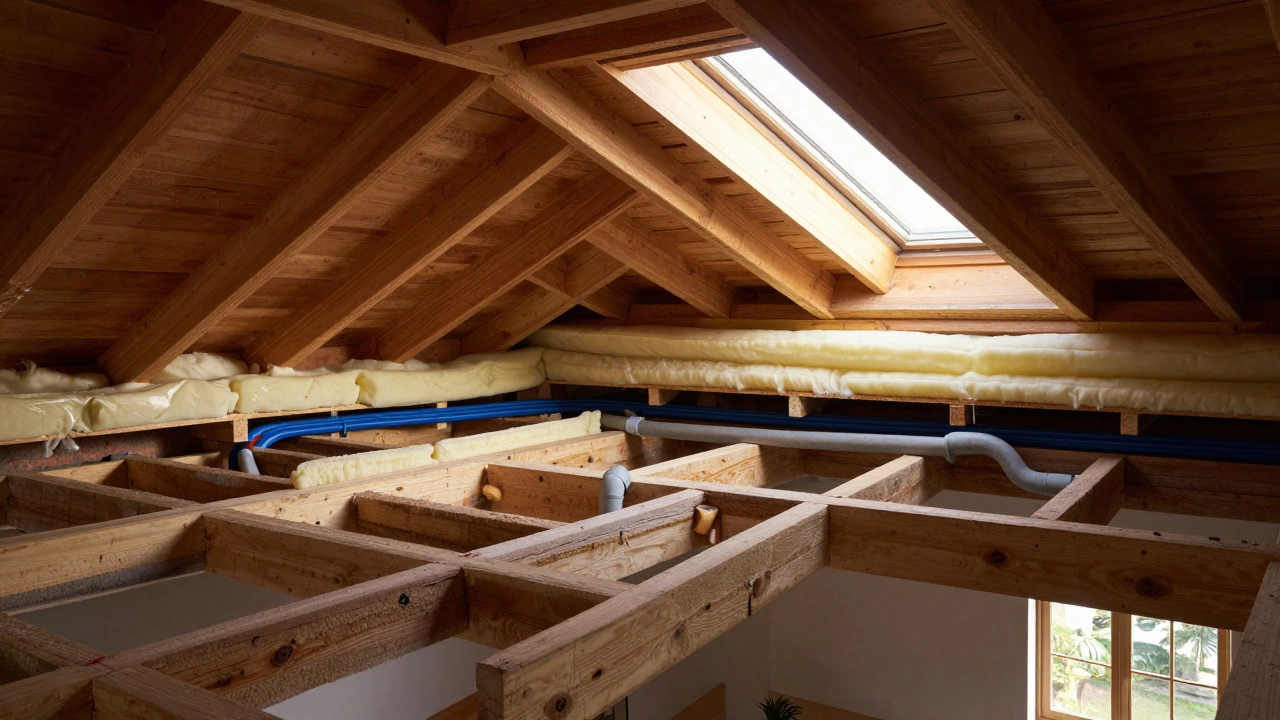
A loft conversion isn’t just about putting a floor up there and calling it done. You’re turning an unused, often drafty, poorly lit attic into a functional living space. That means more than just flooring and paint. A full conversion includes structural changes, insulation, windows, stairs, electrical wiring, plumbing (if you’re adding a bathroom), fire safety features, and building consent. Most people don’t realize that up to 40% of the total cost can go into things you can’t see - like reinforcing floor joists or adding fire-rated drywall.
There are three main types of loft conversions you’ll see in New Zealand homes:
- Dormer conversion: Adds a box-like extension to the roofline, giving you more headroom and floor space. This is the most common type in Wellington’s older bungalows and villas.
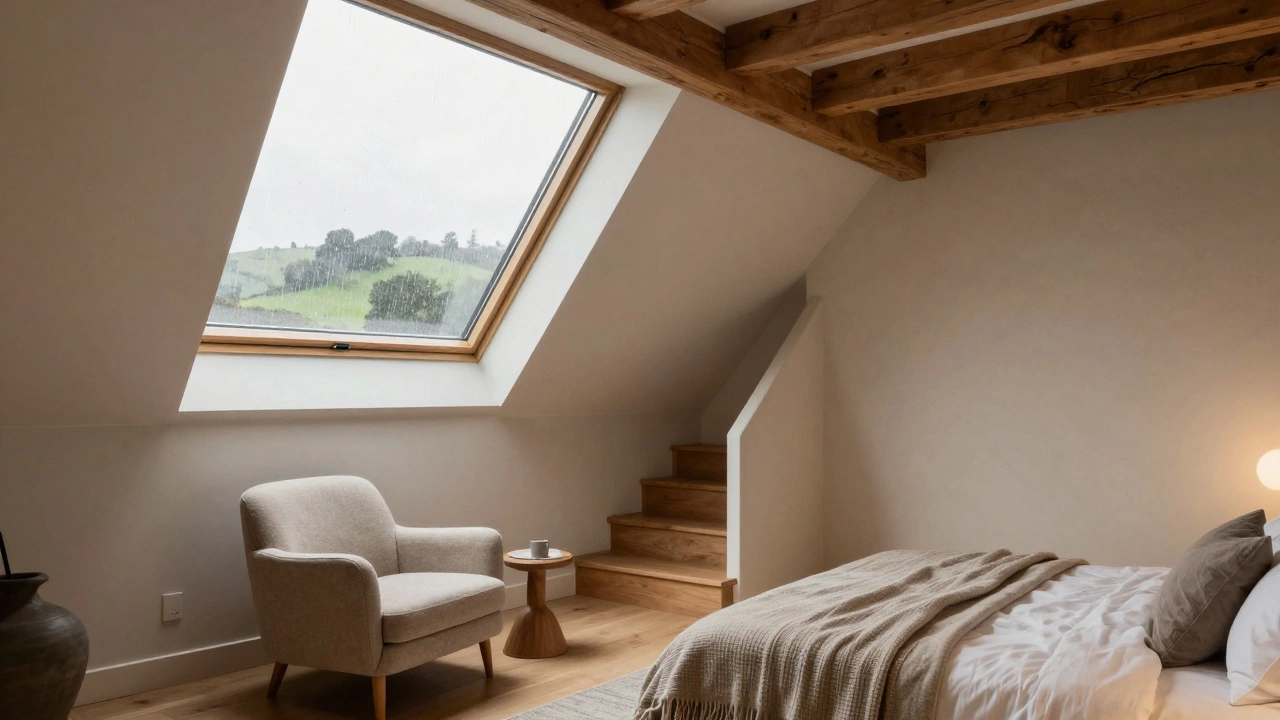
- Velux conversion: Uses roof windows (often called Velux windows) to bring in light. It’s the cheapest option because it doesn’t change the roof shape.
- Mansard conversion: Involves rebuilding the entire roof slope into a near-vertical wall. This gives you maximum space but costs the most - and often needs planning permission.
Most homeowners in Wellington go with the dormer or Velux. The dormer adds value and usable space, while the Velux is a budget-friendly way to create a cozy reading nook or small bedroom.
Cost Breakdown: What You’ll Actually Pay
Here’s what you can expect to pay in early 2026 for a standard loft conversion in New Zealand:
| Type | Size (m²) | Estimated Cost (NZD) | Time to Complete |
|---|---|---|---|
| Velux Conversion | 15-20 m² | $50,000 - $80,000 | 6-8 weeks |
| Dormer Conversion | 20-30 m² | $80,000 - $120,000 | 8-12 weeks |
| Mansard Conversion | 30-40 m² | $120,000 - $160,000 | 12-16 weeks |
These numbers include everything: materials, labor, building consent, and inspections. But they don’t include furniture, lighting fixtures, or custom finishes. If you want underfloor heating, smart windows, or a luxury ensuite bathroom, add another $15,000 to $30,000.
Why the big range? Two things: location and house condition. A 1950s bungalow in Hataitai with a weak roof structure will cost more to reinforce than a 1990s townhouse with a modern truss system. Contractors also charge more in Wellington than in smaller towns like Palmerston North or Nelson, because labor is tighter and transport costs are higher.
Hidden Costs People Forget
Most people budget for the obvious stuff - walls, windows, stairs. But here’s what catches homeowners off guard:
- Building consent fees: Around $3,000-$6,000, depending on complexity. In Wellington, you’ll need both a building consent and a resource consent if you’re changing the roofline.
- Temporary accommodation: If your stairs are being rebuilt, you might need to stay with family for a few weeks. That’s $1,500-$3,000 in rent or hotel costs.
- Utility upgrades: Older homes often need upgraded electrical panels or water lines to handle the new bathroom or extra outlets. This can add $5,000-$10,000.
- Insulation upgrades: New building codes require higher R-values. If your attic was just fiberglass batts from 1985, you’ll need to rip it out and install spray foam or rigid board. That’s $8,000-$15,000 extra.
One Wellington homeowner I spoke with thought they’d spend $70,000. They ended up at $102,000 because they didn’t realize their roof trusses were rotting and needed full replacement. That’s why getting a structural engineer’s report before you sign a contract is non-negotiable.
How to Save Money Without Cutting Corners
You don’t have to go broke to get a great loft. Here’s how smart homeowners do it:
- Use existing access: If you already have a pull-down ladder or small hatch, you can avoid the cost of building new stairs. Just make sure the opening is big enough for a proper staircase - most people underestimate this.
- Keep the bathroom simple: A basic toilet and shower with a standard vanity costs half as much as a spa-style ensuite. Save on tiles, lighting, and fixtures.
- Buy materials yourself: Contractors mark up windows, insulation, and flooring. If you’re handy with research, buy directly from suppliers like Bunnings or local wholesalers. You can save 15-25%.
- Time it right: Contractors are busiest from September to November. If you can start in January or March, you’ll get better rates and faster scheduling.
Also, don’t skip the design phase. A good architect or building designer can help you avoid costly mistakes - like placing the bathroom directly over a load-bearing wall that can’t support the weight. That’s a $20,000 fix after the fact.
Does a Loft Conversion Add Value?
Yes - but not always as much as you think. In Wellington’s current market, a well-done dormer conversion can add 15-20% to your home’s value. A Velux conversion? Maybe 8-12%. The difference? Usable space. A full bedroom with an ensuite is worth far more than a small study with a window.
But here’s the catch: if your neighborhood is full of 2-bedroom homes and you turn your loft into a 4-bedroom house, you might be overbuilding. Buyers in some suburbs prefer smaller, low-maintenance homes. Talk to a local real estate agent before you start. They’ll tell you what’s actually selling in your street.
What You Need to Know Before You Start
Before you sign anything:
- Check your roof’s condition. Rot, damp, or damaged trusses will blow your budget.
- Confirm your property’s zoning. Some areas restrict how much you can extend the roofline.
- Get three quotes - not just for price, but for what’s included. One contractor might quote $90,000 and include insulation and consent. Another might quote $85,000 and leave those out.
- Ask to see photos of their last three loft jobs. If they can’t show you real examples, walk away.
- Make sure the contractor has a current license from the Ministry of Business, Innovation and Employment (MBIE).
And never pay more than 10% upfront. A reputable contractor will work on progress payments tied to milestones - not a big lump sum at the start.
Final Thoughts
A loft conversion is one of the best ways to add space without moving. But it’s not a quick or cheap project. In 2026, most New Zealand homeowners spend between $80,000 and $120,000 for a full dormer conversion that adds a bedroom and bathroom. If you’re on a tighter budget, a Velux conversion can still give you a bright, usable space for under $70,000.
The key is planning. Don’t rush. Get the structural report. Compare quotes. Know what’s included. And remember - the cheapest option isn’t always the best. The smartest option is the one that fits your home, your budget, and your future.
How long does a loft conversion take in New Zealand?
Most loft conversions take between 6 and 16 weeks, depending on the type. A simple Velux conversion can be done in 6-8 weeks, while a full dormer or mansard conversion usually takes 10-16 weeks. Weather, consent delays, and material shortages can add time - especially in Wellington’s rainy seasons.
Do I need building consent for a loft conversion?
Yes. All loft conversions in New Zealand require building consent under the Building Act 2004. If you’re changing the external shape of the roof - like adding a dormer or mansard - you’ll also need resource consent from your local council. Skipping consent can cause problems when you sell your home.
Can I live in my house during the conversion?
You can, but it’s not always comfortable. Dust, noise, and restricted access to stairs make daily life difficult. Most homeowners stay with family or rent a short-term place for the duration, especially if the stairs are being rebuilt. If you’re staying, plan for temporary kitchen or bathroom access.
Is a loft conversion better than building an extension?
It depends. A loft conversion is usually cheaper than a single-storey extension because you’re using existing structure. It also doesn’t eat up your backyard. But if you need more ground-level space - like a big kitchen or playroom - an extension makes more sense. Lofts are best for bedrooms, studies, or guest rooms.
What’s the most common mistake people make with loft conversions?
Underestimating the structural work. Many homeowners think it’s just about adding floors and windows. But older roofs often need new joists, beams, or even truss replacements. Skipping a structural engineer’s report can lead to costly repairs later - or worse, safety issues.