
What Is the First Step in Renovating a House?
 Jan, 11 2026
Before you pick up a hammer or call a contractor, there’s one thing you must do-plan. Not just a vague idea of wanting a bigger kitchen or a nicer bathroom. Real planning. The first step in renovating a house isn’t tearing down walls or picking paint colors. It’s understanding exactly what you’re working with.
Start with a Realistic Assessment of Your Home
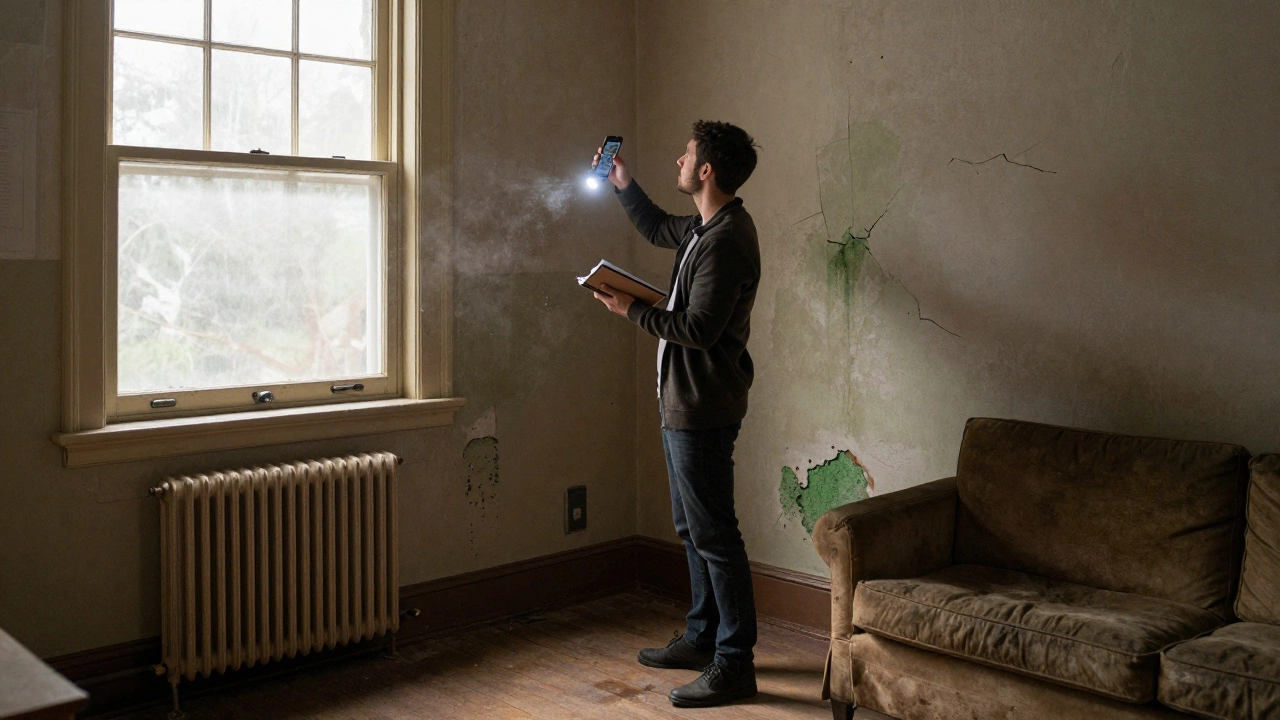
Too many people jump into renovations thinking they’re fixing a cosmetic issue, only to find out the foundation is shifting or the wiring is outdated. In Wellington, where older homes are common and seismic standards are strict, skipping this step can cost you thousands-or worse, put your family at risk.
Walk through every room. Write down what’s broken, what’s outdated, and what feels off. Is the heating uneven? Do windows leak when it rains? Are outlets sparking? These aren’t just inconveniences. They’re signs of deeper problems.
Don’t rely on memory. Take photos. Label them. Note the year your house was built. Check council records for original plans. Older homes in New Zealand often have unpermitted additions or hidden structural changes. You need to know what’s legal and what’s not before you start.
Get a Professional Inspection
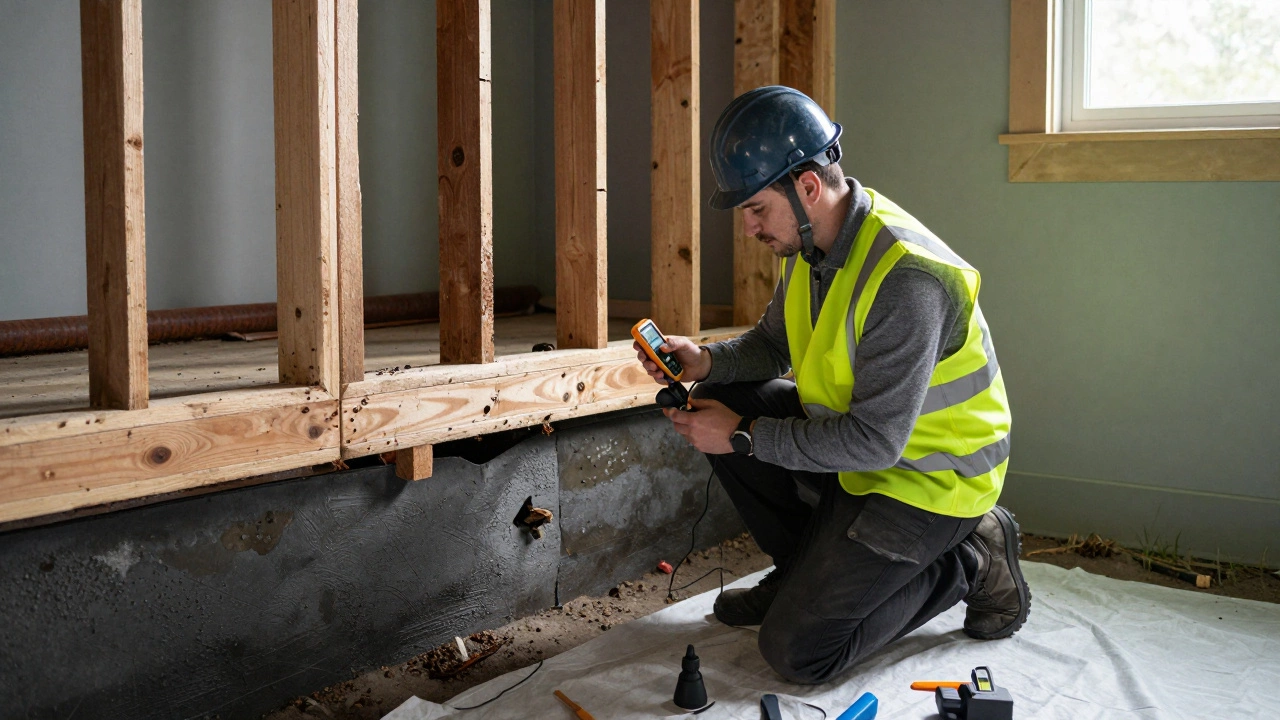
Even the most observant homeowner misses things. A qualified building inspector can spot issues you wouldn’t think to look for. In New Zealand, a pre-renovation inspection typically costs between $500 and $1,200, depending on the size of the house. That’s a small price to avoid a $20,000 surprise later.
Ask for a report that covers:
- Structural integrity (walls, floors, roof)
- Moisture damage and dampness
- Electrical systems (especially if the house is over 30 years old)
- Plumbing condition and pipe materials
- Termite or timber decay signs
- Compliance with current building codes
Inspections aren’t optional in Wellington. The city has strict regulations around seismic upgrades and insulation standards. If your house was built before 2004, it likely doesn’t meet today’s requirements. Knowing that upfront lets you plan for necessary upgrades without getting blindsided by council demands mid-project.
Define Your Goals-Not Just Aesthetics
People say they want a ‘modern kitchen’ or ‘spa bathroom.’ But what does that actually mean for your life? Are you cooking more? Do you have kids who need better storage? Are you planning to stay long-term or sell in five years?
Write down your top three goals. For example:
- Improve energy efficiency to lower bills
- Add a second bathroom for growing family
- Make the house more accessible for aging parents
These goals shape everything. If energy efficiency is your priority, you might delay cosmetic changes to focus on insulation and windows first. If you’re planning to sell, you’ll want to stick to neutral finishes and high-return upgrades like kitchen updates or adding a deck.
Don’t let Pinterest dictate your priorities. Real renovation success comes from matching changes to your actual needs-not someone else’s dream home.
Set a Realistic Budget-Including Contingencies
Most people underestimate renovation costs by 20% to 50%. In New Zealand, labor and materials have stayed expensive since 2022. A kitchen remodel might start at $25,000, but if you discover rot under the floorboards, you’re looking at $40,000+. A bathroom might seem like $15,000, but if your plumbing runs through a load-bearing wall, you’ll need structural support-and that adds $8,000.
Here’s how to build a budget that won’t break you:
- Base your estimate on the inspection report. Fix what’s broken first.
- Get three quotes from licensed contractors. Don’t pick the cheapest-look for clarity and detail in the quote.
- Add 15% to 20% for unexpected costs. This isn’t a buffer-it’s a requirement.
- Include permits, council fees, and temporary accommodation if you need to move out.
- Never use credit cards for major renovations. Interest eats into your savings faster than you think.
Some homeowners skip the contingency fund because they think, ‘It won’t happen to me.’ It always does. In 2023, a Wellington study found that 78% of renovations went over budget. The ones that didn’t? They had a 20% contingency built in from day one.
Check What Permits You Need
Not every renovation needs a building consent, but many do-and getting caught without one can force you to undo work or pay heavy fines. In New Zealand, the Building Act 2004 says you need consent for:
- Structural changes (removing walls, adding floors)
- Electrical and plumbing work that alters existing systems
- Adding or moving windows or doors
- Installing or replacing insulation
- Any work affecting fire safety or accessibility
Go to your local council website (Wellington City Council has a clear online tool) and use their ‘Do I Need a Consent?’ checker. If you’re unsure, call them. It’s free. Don’t risk it. Unpermitted work can affect your ability to sell the house later or get insurance.
Some permits take weeks to approve. Start this process early. You can’t begin demolition if you’re still waiting for council approval.

Plan for Disruption
Renovations aren’t just about money and materials-they’re about your daily life. A kitchen remodel can take six to eight weeks. That means no cooking. No dishwasher. No sink. If you have kids, pets, or work from home, you need a plan.
Ask yourself:
- Can I live in the house during the renovation?
- Where will I sleep if the bedroom is being redone?
- How will I manage noise, dust, and restricted access to parts of the house?
Some families rent a small unit nearby. Others set up a temporary kitchen in the garage. If you’re on a tight budget, plan for meals that don’t require a full kitchen. Think slow cooker meals, sandwiches, and takeout.
Communication matters too. Tell your neighbors what’s happening. A quick note or door hanger saying, ‘Renovations from Jan-Mar, noisy days are Mon-Fri, 8am-4pm’ goes a long way. It prevents complaints and builds goodwill.
Choose Your Team Wisely
Once you’ve assessed, planned, and budgeted, you’re ready to hire. But don’t rush. The right contractor makes all the difference.
Look for someone who:
- Is licensed and insured (ask for proof)
- Has experience with homes like yours (old brick, weatherboard, etc.)
- Provides a written contract with start/end dates, payment schedule, and scope of work
- Has references you can actually call-not just a website with glowing reviews
Ask them how they handle delays, changes, and disputes. A good contractor will have a clear process. A bad one will say, ‘We’ll figure it out.’ That’s a red flag.
Don’t hire based on a discount. Hire based on trust and clarity.
What Comes Next
Once you’ve done the assessment, inspection, budgeting, permitting, and planning-you’re finally ready to start. That’s the first step. Everything else follows.
Renovating a house isn’t about speed. It’s about smart preparation. The people who finish on time and on budget aren’t the ones who started earliest. They’re the ones who planned the longest.
Can I skip the building inspection to save money?
No. Skipping an inspection is like skipping a car checkup before a long road trip. You might get lucky, but you’re also risking hidden damage that could cost 10 times more to fix later. In Wellington, many older homes have hidden damp, termite damage, or outdated wiring. A $600 inspection can save you $20,000 in repairs. It’s not an expense-it’s insurance.
How long should the planning phase take?
Plan for at least 4 to 8 weeks. This includes getting inspections, reviewing quotes, applying for permits, and finalizing designs. Rushing this phase leads to mistakes, delays, and cost overruns. The more time you spend planning, the smoother the build will be.
Do I need to move out during a renovation?
Not always, but it’s often easier. If you’re doing a full kitchen or bathroom remodel, living in the house can be stressful. Dust, noise, and restricted access make daily life harder. If you can afford to rent a short-term place-even just for a few weeks-it reduces stress and speeds up the work. Contractors can also move faster if they don’t have to work around your schedule.
What’s the biggest mistake people make when renovating?
They focus on looks before function. A beautiful kitchen means nothing if the fridge doesn’t fit, the outlets are too far from the counter, or the lighting makes it hard to chop vegetables. Prioritize usability. Design around how you actually live-not how you want to look in a magazine.
Can I do some of the work myself to save money?
Yes-but only if you know what you’re doing. Painting, demolition, and cleanup are safe for DIY. Electrical, plumbing, structural changes, and insulation require licensed professionals. Doing these yourself without consent can void your insurance and make it impossible to sell the house later. Know your limits. When in doubt, hire it out.