
What Is the Most Expensive Part of a Bathroom Remodel?
 Feb, 1 2026
Bathroom Remodel Cost Calculator
Your Project Details
Cost Breakdown
Pro Tip: Keeping original layout saves $2,000-$6,000 in plumbing labor.
Estimated Costs
When you’re planning a bathroom remodel, it’s easy to get excited about fancy tiles, sleek vanities, or that giant soaking tub you’ve been dreaming of. But here’s the truth most people don’t tell you: the things you see aren’t usually the things that cost the most. The real money sinks-literally-are hidden behind the walls, under the floor, and inside the pipes.
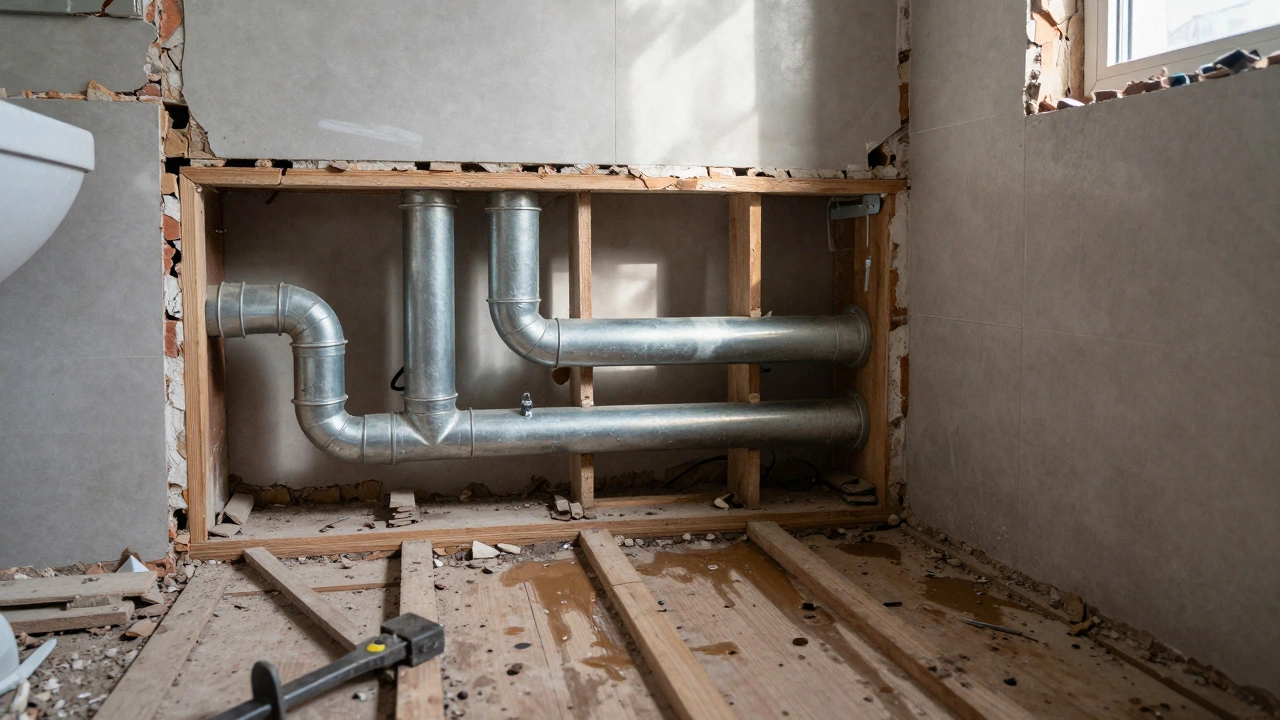
Plumbing Is the Hidden Giant
Plumbing is almost always the single biggest expense in a bathroom remodel. Why? Because it’s not just about swapping out a faucet. It’s about moving drains, rerouting supply lines, adding new vent stacks, and making sure everything meets code. If you’re moving the toilet, shower, or sink even a foot from its original spot, you’re looking at a $2,000 to $6,000 jump in labor and materials alone.
In New Zealand, where many homes have older plumbing systems-especially in Wellington’s historic suburbs-this gets even pricier. Older homes often have galvanized steel or cast iron pipes that don’t play nice with modern fixtures. Replacing those means cutting into walls, pulling up floors, and sometimes dealing with asbestos or outdated insulation. A full repipe for a single bathroom can easily hit $5,000-$8,000, depending on access and complexity.
And don’t forget water pressure. If your house has low pressure, you might need a booster pump. If your drain slope is off, you could end up with slow drains or backups. These aren’t optional upgrades-they’re necessities that show up on your invoice after the demo.
Moving Walls and Structural Changes
Want a bigger shower? A double vanity? A freestanding tub in the middle of the room? That might sound like a dream, but it often means knocking down walls. And walls aren’t just drywall-they’re framing, electrical, plumbing, insulation, and sometimes load-bearing structures.
If you’re expanding the bathroom into an adjacent closet or bedroom, you’re not just paying for new drywall. You’re paying for structural engineers, permits, temporary supports, and rerouting ductwork or wiring. In Wellington, where earthquake standards are strict, any structural change triggers extra inspections and reinforced framing requirements. That alone can add $3,000-$7,000 to your budget.
And here’s a sneaky one: if you’re moving the bathroom to a different part of the house, you might need to extend sewer lines or connect to a new vent stack. That’s not a weekend project. That’s a full-blown construction job.
Electrical Work Isn’t Cheap Either
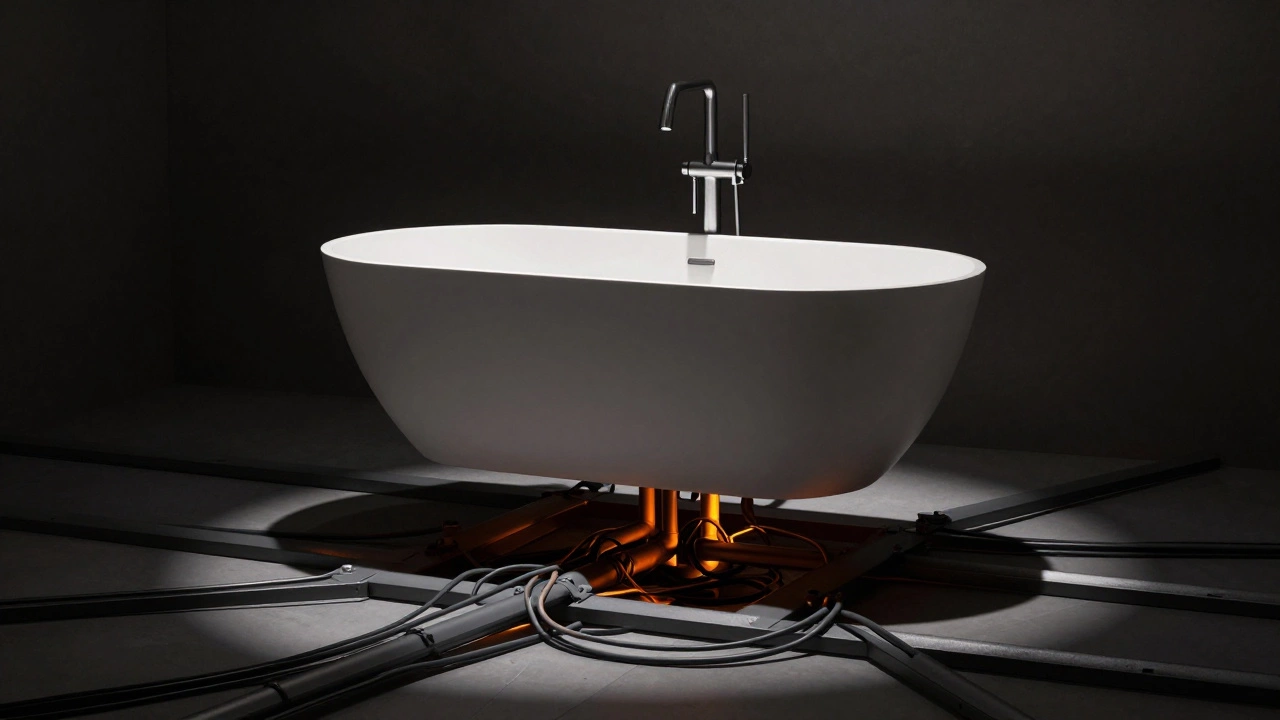
People think lighting and outlets are minor. They’re not. Bathrooms require GFCI outlets, proper ventilation fans with timers, heated towel rails, smart mirrors, and sometimes radiant floor heating. All of that needs dedicated circuits.
If your old bathroom had one light and one outlet from the 1980s, upgrading to modern standards means running new wires through walls, adding junction boxes, and bringing the whole system up to current NZ electrical code. Electricians charge $80-$120 per hour. A simple upgrade can take 15-25 hours. That’s $1,200-$3,000 right there.
And if you want underfloor heating? That’s another $2,000-$4,000. It’s not just the mats or cables-you need a dedicated circuit, a thermostat, insulation beneath the floor, and professional installation. Skip this, and you’ll regret it when you’re stepping out of the shower in winter.
Why Fixtures and Tiles Are Misleading
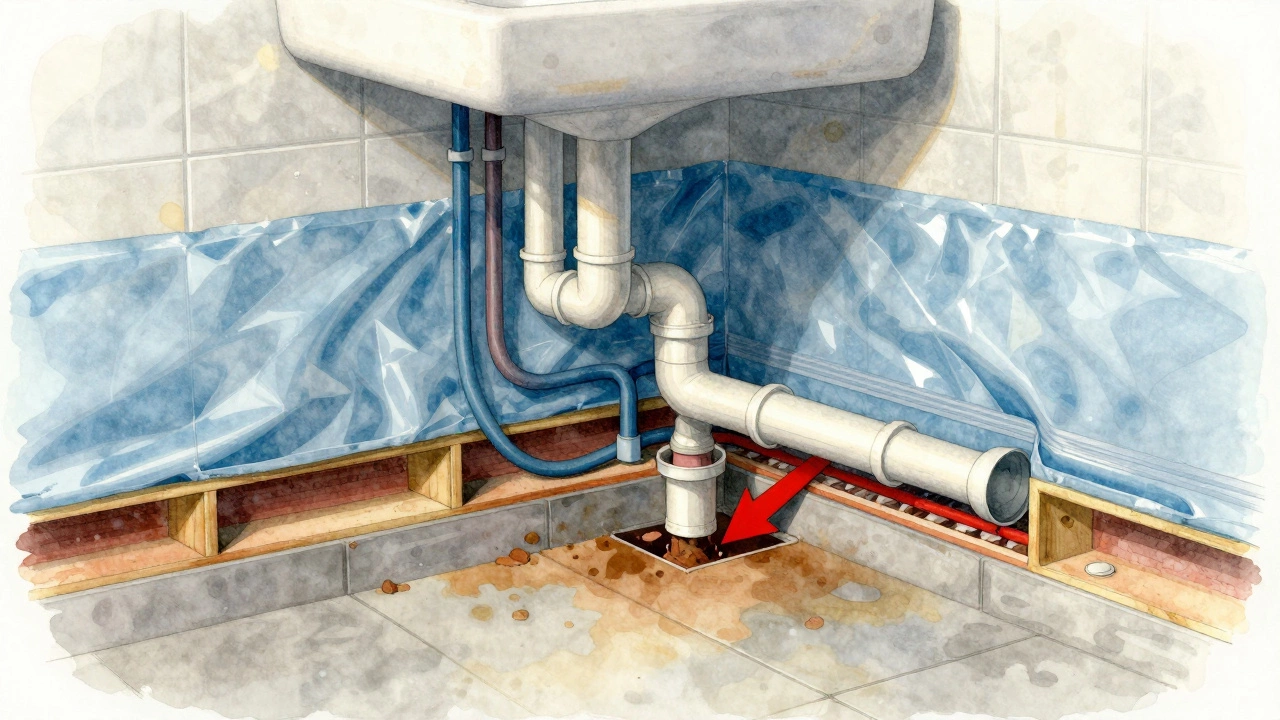
You might think a $2,000 freestanding tub or $500 marble vanity is the big cost. But here’s the thing: those are optional luxuries. You can get a perfectly functional shower, toilet, and sink for under $1,500 total. Even high-end fixtures rarely break $5,000.
Tile, on the other hand, looks expensive-but it’s usually not the main driver. Sure, imported Italian porcelain runs $80-$120 per square meter. But labor is the real killer. Tiling a bathroom properly takes days. You need waterproofing membranes, backer boards, precise layout, grout sealing, and cleanup. A professional tiler charges $60-$90/hour. A 10m² bathroom with full wall and floor tiling? That’s 30-50 hours of labor. Just for the tile.
And if you choose large-format tiles? That’s even more labor. They need perfect subfloors, special adhesives, and longer drying times. Small mistakes mean cracked tiles. And cracked tiles mean tearing it all out and starting over.
What You Can Skip to Save Money
Here’s what doesn’t matter as much as you think:
- Brand-name faucets (mid-range brands like Grohe or Huppe perform just as well as luxury ones)
- Custom cabinetry (stock vanities with good finishes last decades)
- High-end lighting (LED strip lights or recessed downlights are affordable and effective)
- Smart mirrors or voice-controlled showers (convenient, but not essential)
What does matter? Getting the plumbing right. Getting the drainage slope correct. Making sure the subfloor won’t sag. Installing a proper vapor barrier. These are the invisible things that keep your bathroom from turning into a mold factory in five years.
Real Cost Breakdown (New Zealand, 2026)
Here’s what a mid-range, full bathroom remodel actually costs in Wellington:
| Item | Cost Range (NZD) | % of Total |
|---|---|---|
| Plumbing (new lines, drains, vents) | $4,000-$8,000 | 30-40% |
| Electrical (wiring, lighting, heating) | $2,000-$5,000 | 15-25% |
| Tiling and waterproofing | $3,000-$6,000 | 20-25% |
| Fixtures (toilet, sink, shower, faucet) | $1,500-$4,000 | 10-15% |
| Vanity and cabinetry | $1,000-$3,000 | 5-10% |
| Permits, inspections, waste removal | $800-$2,000 | 5-8% |
| Contingency (unseen issues) | $1,500-$4,000 | 10-15% |
Notice something? The visible stuff-fixtures, vanity, tile-adds up to maybe 40% of the total. The hidden stuff-plumbing, electrical, structural, permits-makes up the other 60%. That’s why contractors always say, "Get your budget ready for surprises."
How to Avoid Getting Ripped Off
Not all contractors are honest. Some will upsell you on fancy tiles while hiding poor plumbing work. Here’s how to protect yourself:
- Ask for a detailed line-item quote. If it just says "Bathroom Remodel - $18,000," walk away.
- Require separate quotes for plumbing, electrical, and structural work. That way you can compare tradespeople.
- Ask for photos of past jobs-especially the demo phase. If they never show you what was behind the walls, they might be cutting corners.
- Insist on a 10% contingency line in the quote. It’s not a scam-it’s standard.
- Never pay more than 10% upfront. In New Zealand, the Building Act protects you from large deposits.
And here’s a pro tip: schedule your plumbing and electrical rough-ins before you pick your tiles or fixtures. That way, you’re not locked into a design that doesn’t match your actual layout.
What Happens If You Skip the Hidden Costs?
People try to save money by doing plumbing themselves. Or by skipping waterproofing. Or by using cheap pipes that look fine but fail in two years.
Here’s what happens next:
- Mold grows behind the tiles because the membrane wasn’t sealed right.
- The toilet leaks slowly under the floor, rotting the subfloor.
- The shower drain backs up because the slope was wrong.
- The GFCI outlet trips constantly because it wasn’t on its own circuit.
Fixing those problems costs 2-3x more than doing it right the first time. And if you ever sell your house? Buyers will hire inspectors. And inspectors will find those hidden disasters.
Don’t let your dream bathroom become a money pit. The most expensive part isn’t what you see. It’s what you don’t see until it’s too late.
Is it cheaper to keep the existing bathroom layout?
Yes, keeping the same layout saves you thousands. Moving plumbing lines-even just a few inches-adds $2,000 to $6,000 because of labor, new pipes, and structural changes. If you’re on a tight budget, stick to the original footprint.
Can I do the plumbing myself to save money?
In New Zealand, you need a licensed plumber to sign off on any bathroom plumbing work. Even if you do the work yourself, a professional must inspect and certify it. Trying to skip this risks fines, insurance issues, and failed inspections when you sell. It’s not worth the risk.
Why do bathroom remodels cost so much more than expected?
Most people budget for what they can see-tiles, vanities, lighting. But the real costs are hidden: old pipes that need replacing, rotting subfloors, outdated electrical, and code upgrades. These surprises show up after demolition. Always add a 10-15% contingency to your budget.
Should I upgrade to a water-efficient toilet and showerhead?
Absolutely. Water is expensive in New Zealand, especially in areas with dry summers. High-efficiency fixtures can cut your water bill by 30-50%. Many local councils also offer rebates for water-saving upgrades. A dual-flush toilet costs $300-$600 and pays for itself in under two years.
How long does a bathroom remodel take?
A standard remodel-keeping the same layout-takes 3 to 5 weeks. If you’re moving walls or plumbing, add 2 to 4 weeks. Weather and material delays (like custom tiles or vanities) can stretch it further. Plan for at least six weeks from demo to final inspection.