
What Is the Top Pay for a Landscaper in 2026?
 Feb, 2 2026
Landscaping Salary Estimator
Estimate Your Earnings
Calculate potential annual income based on your role, specialization, and experience level.
Your Estimated Annual Earnings
Select your role and specialization to see your potential earnings
The calculator uses data from the article to provide realistic estimates
Ever wonder how much the best landscapers actually make? It’s not just about pushing a lawnmower or planting flowers. The top earners in landscaping aren’t just skilled-they’re running businesses, managing teams, and working on high-end projects that pay big. If you’re thinking about getting into landscaping or already in it and wondering if you’re leaving money on the table, here’s the real picture.
Landscaping Isn’t One Job-It’s a Ladder
Most people think of a landscaper as someone who mows lawns and trims hedges. But that’s just the bottom rung. The real money comes from roles that require more experience, certifications, and responsibility. At the top, you’re not just doing the work-you’re planning it, managing it, and selling it.
Here’s how the pay breaks down across the field:
- Entry-level crew member: $20-$25 per hour
- Skilled technician (irrigation, hardscaping, pruning): $25-$35 per hour
- Supervisor or lead worker: $30-$45 per hour
- Landscaping business owner (small to mid-sized): $70,000-$150,000 annually
- Top-tier landscape designer or contractor (high-end residential/commercial): $150,000-$250,000+ annually
The jump from employee to owner isn’t just about working harder-it’s about knowing how to bid jobs, manage cash flow, and build client trust. The best landscapers don’t just know plants-they know contracts, insurance, and how to charge what they’re worth.
What Makes a Landscaper Top Earners?
Not everyone who runs a landscaping company makes six figures. In fact, most don’t. So what separates the top 5%?
Specialization. If you do everything, you’re competing with every other guy with a truck and a mower. The highest earners focus. Think:
- High-end irrigation systems with smart controllers
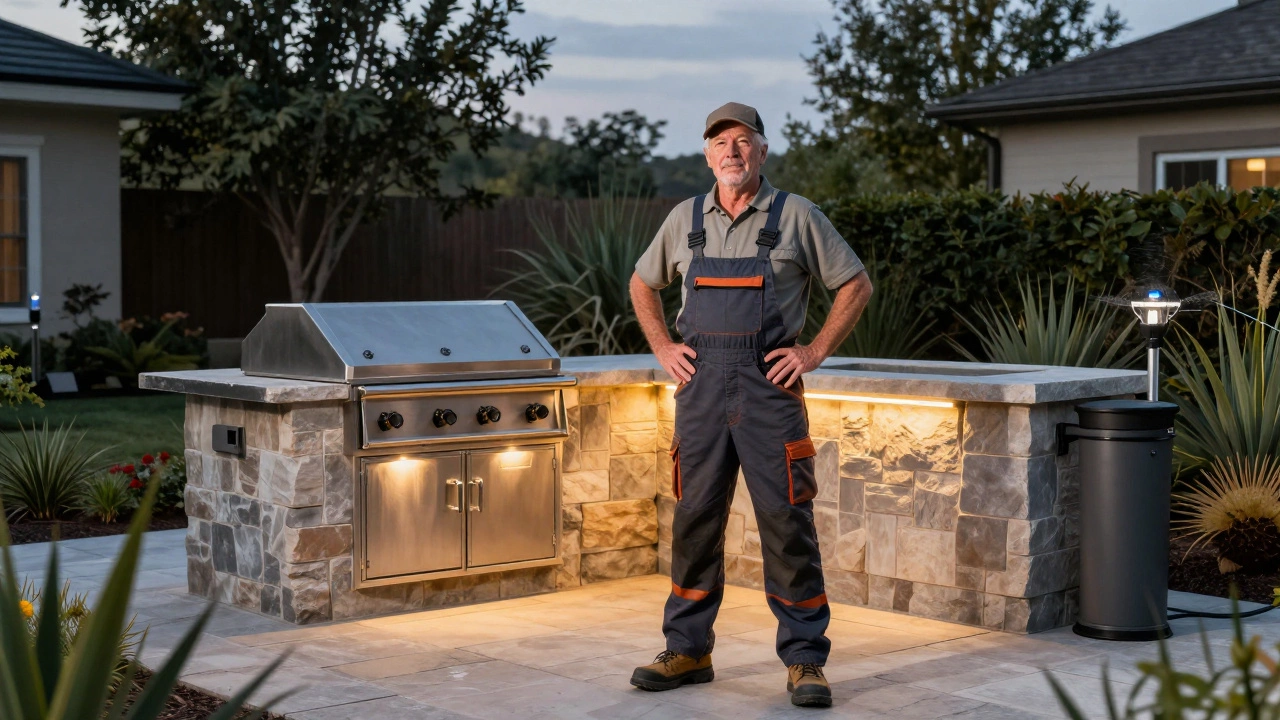
- Custom stone patios and outdoor kitchens
- Native plant restoration for eco-conscious clients
- Lighting design for luxury homes
One landscaper in Auckland charges $12,000 just to install a single custom stone walkway with integrated LED lighting. That’s not a weekend job-it’s a three-week project with a $4,000 profit margin. He doesn’t advertise on Facebook. He gets referrals from architects and interior designers.
Certifications matter. A Certified Landscape Professional (CLP) from the National Association of Landscape Professionals (NALP) adds credibility. A Licensed Irrigation Contractor license lets you legally install complex systems in many states and provinces. In New Zealand, a Landscaping Qualification (Level 4) from NZQA opens doors to bigger contracts.
And don’t overlook business skills. The best landscapers track job costs down to the cent. They know their overhead. They use software like Jobber or ServiceTitan to automate quotes, invoices, and scheduling. They don’t work for free just because a client says, “Can you just do this one thing?”

Where the Highest Pay Is Found
Location plays a huge role. Landscapers in Wellington, Auckland, and Christchurch make more than those in rural towns-not because the work is harder, but because the property values are higher.
But geography isn’t everything. The real money is in commercial clients and luxury residential projects.
Think:
- Corporate campuses with full-time maintenance contracts
- Five-star hotels needing seasonal flower displays
- High-end subdivisions with mandatory landscaping packages
- Historic estates requiring specialist horticultural care
A landscaping company in Tauranga landed a three-year contract to maintain a luxury resort. They charge $8,500 per month-$102,000 a year-for just that one client. They have five full-time staff on it. No bidding. No chasing invoices. Just steady, high-margin work.
Landscapers who work for municipalities or government agencies also earn well. In Wellington, a senior landscape technician working for the city council earns $75,000-$90,000 a year with full benefits. That’s more than many office managers.
How to Get There: The Real Path to Top Pay
Want to be in the top tier? Here’s what actually works:
- Start by mastering a skill. Don’t spread yourself thin. Learn irrigation. Learn hardscaping. Learn plant health. Become the person everyone calls when something’s broken or won’t grow.
- Get certified. Even one certification-like a Level 4 Landscaping Qualification-gives you leverage to ask for more money.
- Build a portfolio. Take before-and-after photos. Keep a digital folder of your best work. Clients pay for results, not promises.
- Network with the right people. Go to home shows. Connect with architects, real estate agents, and interior designers. They’re the ones who refer high-paying jobs.
- Charge by value, not by hour. If you install a $20,000 patio, don’t bill $30/hour for 100 hours. Charge $15,000 for the job. Your time is worth more than that.
- Start your own company. You’ll make more as a business owner than as an employee-even if you’re doing the same work. The difference? You keep the profit.
One guy in Palmerston North started with a secondhand trailer and a $500 lawnmower. Five years later, he runs a team of 12. His company does $1.2 million a year in revenue. He doesn’t do the mowing anymore. He hires people to do that. He focuses on bids, client relationships, and quality control.

Common Mistakes That Keep Landscapers From Earning More
Here’s what holds most landscapers back:
- Undercharging. They think “everyone else charges $30/hour,” so they charge $30. But if you’re better, faster, or more reliable, you can charge $50. And clients will pay if you show value.
- Not tracking costs. If you don’t know how much your fuel, equipment, and labor cost per job, you’re flying blind. Many landscapers work 60-hour weeks and break even.
- Doing everything themselves. If you’re still hauling mulch at age 35, you’re not scaling-you’re burning out.
- Ignoring marketing. You can’t wait for clients to find you. You need a simple website, Google Business Profile, and a few testimonials.
The top earners don’t just work harder. They work smarter. They treat landscaping like a business-not a side hustle.
Is Top Pay Realistic for Someone Starting Now?
Yes-but not overnight.
If you’re 18 and just got your first job on a crew, you’ll make $22/hour. That’s solid. In two years, with some extra training, you could be making $35/hour as a lead. In five years, if you’ve saved up, got certified, and started building a client base on the side, you could launch your own business.
By year seven, if you’ve focused on quality, built a reputation, and landed a few big contracts, you could be clearing $150,000-$200,000 a year. That’s not fantasy. It’s happening right now in Wellington, Auckland, and Tauranga.
The key? Don’t chase the lowest bid. Don’t work for free. Don’t be afraid to say no. The best landscapers don’t take every job-they take the right ones.
Landscaping isn’t just dirt and plants. It’s design, engineering, and entrepreneurship. And the top earners? They know that.
What’s the highest hourly rate a landscaper can make?
The highest hourly rates go to specialized technicians-like irrigation specialists or hardscape installers-who work on luxury projects. These professionals can charge $50 to $75 per hour, especially if they’re employed by a high-end firm or work as independent contractors on custom builds. In New Zealand, top-tier landscapers with certifications and a strong reputation often bill at this rate for complex jobs.
Do landscapers make more in cities or rural areas?
Landscapers in cities like Wellington, Auckland, and Christchurch generally earn more because property values are higher and clients are willing to pay for premium services. Rural areas may have more volume, but the jobs are often smaller and lower-paying. The real difference comes from the type of client-not the location itself. A landscaper in a small town who specializes in luxury gardens can earn more than one in a city doing basic lawn care.
Can you make six figures as a landscaper without owning a company?
It’s rare but possible. Senior supervisors or lead technicians working for large commercial landscaping firms can earn $80,000-$100,000 a year, especially with overtime, bonuses, and benefits. However, to consistently hit six figures without owning a business, you’d need to be working 50+ hours a week, have specialized skills, and be in a high-demand market. Most who hit that mark eventually start their own company.
What certifications increase a landscaper’s pay the most?
The most valuable certifications are those tied to specialized skills: Level 4 Landscaping Qualification (NZQA), Certified Landscape Professional (NALP), and Licensed Irrigation Contractor credentials. These aren’t just nice-to-haves-they let you legally install complex systems and bid on higher-value contracts. Many clients specifically ask for certified teams.
Is landscaping a good career for someone who wants financial freedom?
Yes-if you treat it like a business. Landscaping offers low startup costs, high demand, and the ability to scale. Many top earners started with one truck and now run multi-million-dollar companies. The path isn’t easy, but the upside is real. Unlike many jobs, your income isn’t capped by a salary band. Your earnings grow with your reputation, skills, and systems-not just your hours.