
What Makes a Building a Commercial Building? Key Differences Explained
 Dec, 1 2025
Commercial Building Classifier
Not all buildings are created equal. A house, a school, and a grocery store might all have walls and a roof, but only one of them is a commercial building. So what actually makes a building commercial? It’s not just about who walks through the door. It’s about how the space is designed, regulated, financed, and used. If you’re trying to buy, build, or even just understand a commercial property, knowing these differences saves time, money, and headaches.
It’s About Use, Not Size
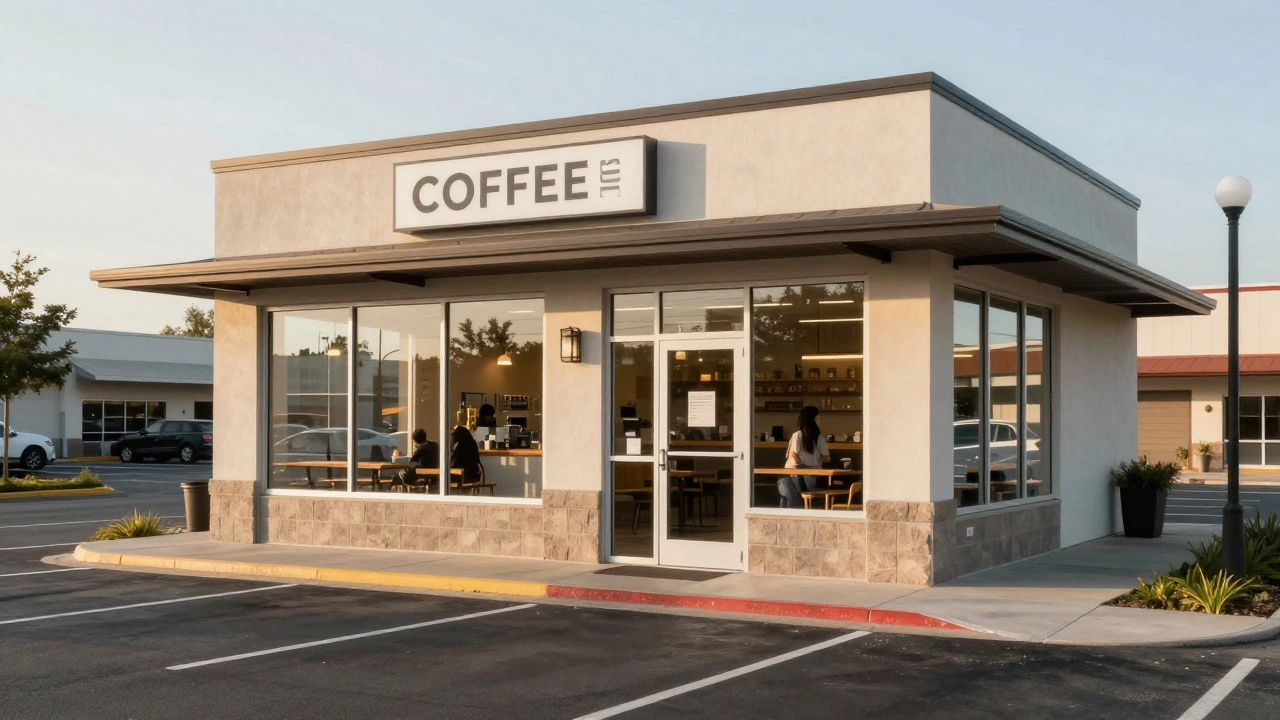
A lot of people think a commercial building has to be big-like a skyscraper or a shopping mall. But size doesn’t matter. A tiny standalone coffee shop in a strip mall is just as commercial as a 30-story office tower. What counts is the purpose. A building becomes commercial when it’s built or used primarily to generate income through business activities.
That means if people are buying goods, receiving services, working for a company, or conducting transactions inside, it’s commercial. Think: retail stores, restaurants, banks, clinics, hotels, warehouses, and office buildings. Even a building with a single tenant running a consulting business from a converted garage counts-if it’s licensed and zoned for business use.
Compare that to residential buildings: homes, apartments, dorms. Their main job is to provide shelter. They’re not designed to host customers or process payments. That’s the first clear line.
Zoning Laws Decide the Rules
Local governments control what kind of buildings can go where through zoning laws. These rules aren’t suggestions-they’re legally enforced. In most cities, land is divided into zones: residential, commercial, industrial, mixed-use.
If you buy a piece of land zoned for residential use, you can’t legally open a laundromat there without applying for a special permit or rezoning. The city won’t issue a building permit for a commercial kitchen in a house zoned for single-family use. Even if you’re the only one using it, the law sees it as a violation.
Commercial zones often require more parking, wider access roads, fire exits, and signage rules. They also limit noise, lighting, and hours of operation in some areas. These aren’t just for convenience-they’re safety and community impact requirements.
Building Codes Are Stricter
Commercial buildings have to meet higher safety and accessibility standards than homes. The International Building Code (IBC) sets the baseline, and most countries follow it with local tweaks.
For example:
- Commercial buildings need multiple, clearly marked emergency exits-not just one front door.
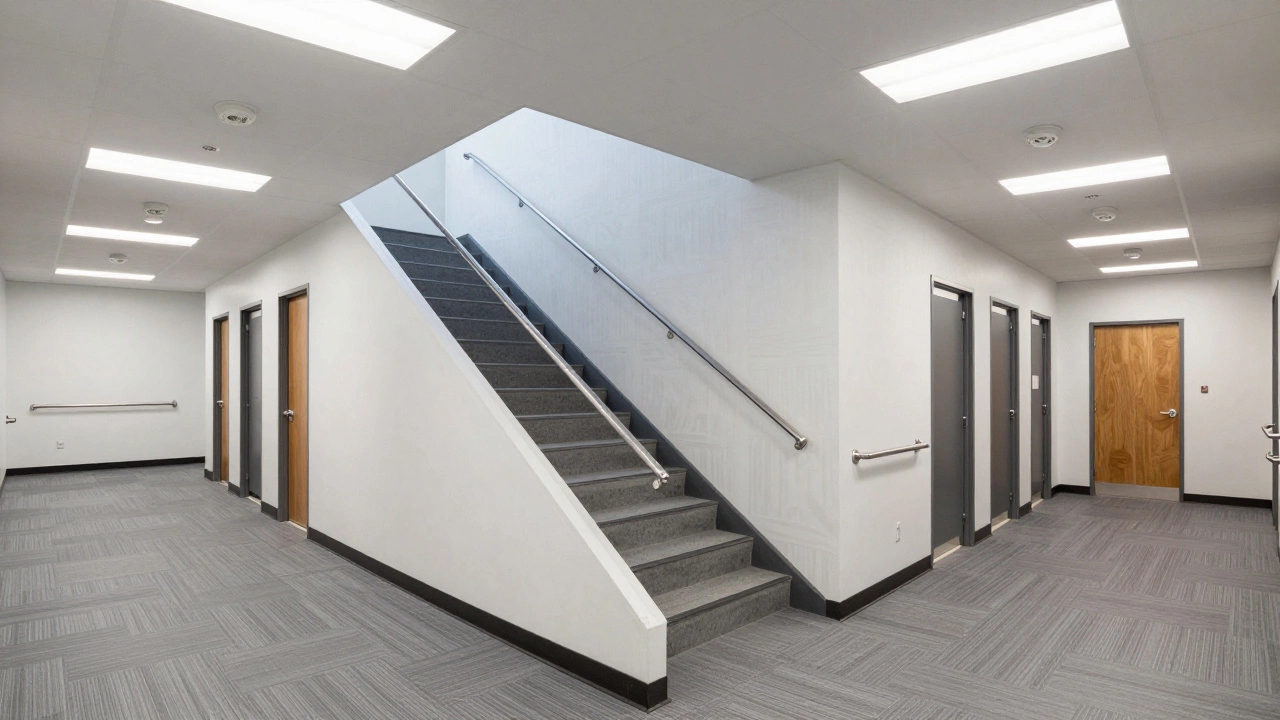
- Staircases must be wider and have handrails on both sides.
- Restrooms must meet ADA (Americans with Disabilities Act) or equivalent accessibility standards, with more stalls and grab bars.
- Fire alarms and sprinklers are mandatory, even in small shops.
- Electrical systems must handle heavy loads from servers, HVAC, and commercial appliances.
Residential buildings don’t need half of this. A house might have one smoke detector. A commercial building needs interconnected alarms throughout, plus a backup generator in some cases. These aren’t optional upgrades-they’re legal requirements.

Financing and Ownership Are Different
Buying a home? You get a residential mortgage. Buying a commercial building? You get a commercial loan-and it’s a whole different game.
Residential loans usually go up to 30 years with fixed rates. Commercial loans are often shorter-5 to 20 years-and come with balloon payments or variable interest. Lenders also look at the building’s income potential, not just your personal credit score. If your retail space doesn’t bring in enough rent to cover the mortgage, the loan gets denied.
Ownership structures matter too. Most commercial properties are held by LLCs, corporations, or investment groups-not individuals. That’s because liability risk is higher. If someone slips in your store, you don’t want your personal home on the line.
It’s Built for People, Not Privacy
Think about how a home is laid out. Bedrooms, bathrooms, a quiet living room-all designed for privacy and comfort. A commercial building? It’s built for flow.
Office buildings have open floor plans to encourage collaboration. Retail stores use wide aisles and strategic lighting to guide customers. Restaurants need kitchens that can handle 200 meals an hour, with separate areas for prep, storage, and dishwashing. Even the HVAC systems are different: commercial units are louder, more powerful, and built for 24/7 operation.
Materials matter too. Commercial spaces use heavier-duty flooring-concrete, epoxy, commercial-grade vinyl-not hardwood or carpet. Walls are often made of fire-rated drywall. Ceilings hide ductwork and wiring because maintenance access is critical. These aren’t aesthetic choices-they’re functional necessities.
Permits, Inspections, and Paperwork
Getting a permit to build a house is straightforward. You submit plans, pay a fee, and wait a few weeks.
Getting a permit for a commercial building? You’re dealing with multiple agencies: building, fire, health, zoning, environmental, accessibility. A restaurant needs a food service permit from the health department. A gym needs structural approval for heavy equipment. A gas station needs underground tank certifications.
Inspections happen at every stage: foundation, framing, electrical, plumbing, final. And they’re not just checking for safety-they’re checking for compliance with commercial codes. One missed detail can delay opening by weeks.
Plus, you need ongoing compliance. Fire extinguishers must be serviced every year. Elevators require quarterly inspections. Emergency drills are mandatory. Residential properties don’t have any of this.
What Doesn’t Count as Commercial?
Some buildings blur the line. Here’s what’s not commercial:
- A home-based business with no customers visiting-like a freelance writer working from their dining table.
- A church or school-even though they serve the public, they’re usually classified as institutional, not commercial.
- A warehouse used only for storage by a private company, if it’s not open to the public or leased to tenants.
But if that home-based business starts taking walk-in clients, or the warehouse is rented out to multiple small businesses, it flips into commercial territory.
Why This Matters to You
Understanding what makes a building commercial isn’t just for architects or developers. If you’re renting space, you need to know what you’re signing up for. Commercial leases are longer, more complex, and often require you to pay for repairs, insurance, and taxes-unlike residential leases.
If you’re investing, commercial properties can offer higher returns, but they also carry more risk and require more management. A single tenant moving out can wipe out your income. A fire code violation can shut you down.
And if you’re just curious-like wondering why your neighbor’s garage turned into a bike shop and now has a sign and parking stripes-you now know it’s not just about the bikes. It’s about zoning, permits, and building codes that treat it like a business, not a hobby.
Final Takeaway
A commercial building isn’t defined by its looks, size, or even how much money it makes. It’s defined by its purpose, its rules, and the systems that support it. If it’s designed to serve customers, generate income, and operate under strict safety and legal codes-it’s commercial. Everything else is just a building with a roof.
Can a building be both residential and commercial?
Yes, but only if it’s zoned for mixed-use. Many cities allow ground-floor retail with apartments above. These are called mixed-use buildings. The commercial part must still meet all commercial codes, while the residential part follows residential rules. The two areas are usually separated by fire-rated walls and independent entrances.
Do I need a special license to rent out a commercial space?
You don’t need a license just to rent it out, but your tenant will need one to operate their business. As a landlord, you’re responsible for ensuring the building meets all commercial codes before leasing. If your tenant runs a restaurant and the kitchen fails inspection, you could be held liable for not providing a compliant space.
Is a hotel a commercial building?
Yes. Hotels are classified as commercial because they provide services for profit. They fall under the hotel/motel category in building codes, which have specific requirements for fire exits, guest room safety, and emergency lighting. Even a small bed-and-breakfast counts if it’s open to the public and charges for stays.
Can I convert my home into a commercial space?
You can, but it’s not simple. You’ll need to apply for rezoning, submit new building plans, upgrade systems to commercial standards, and pass multiple inspections. In many areas, you also need to provide additional parking and may face neighbor objections. It’s doable, but often costs more than building new.
Are warehouses always commercial?
Not always. A warehouse owned and used by a single company for its own inventory is often classified as industrial. But if you rent space to multiple businesses, or if it’s part of a logistics center serving the public, it’s commercial. The key is whether it’s a service provider or a private storage facility.