
What Trade Makes the Most Money in Construction?
 Jan, 4 2026
Construction Trade Salary Calculator
Calculate Your Potential Earnings
Estimated Earnings
Select your trade details to see estimated earnings.
When people think about making serious money in construction, they often picture project managers in hard hats or CEOs in suits. But the real cash isn’t always up top-it’s down in the trenches, where skilled tradespeople work with their hands and earn more than most college grads. If you’re asking what trade makes the most money, the answer isn’t guesswork. It’s based on real pay data from New Zealand, the U.S., Australia, and Canada-all markets with similar labor demands and wage structures.
Electricians Lead the Pack
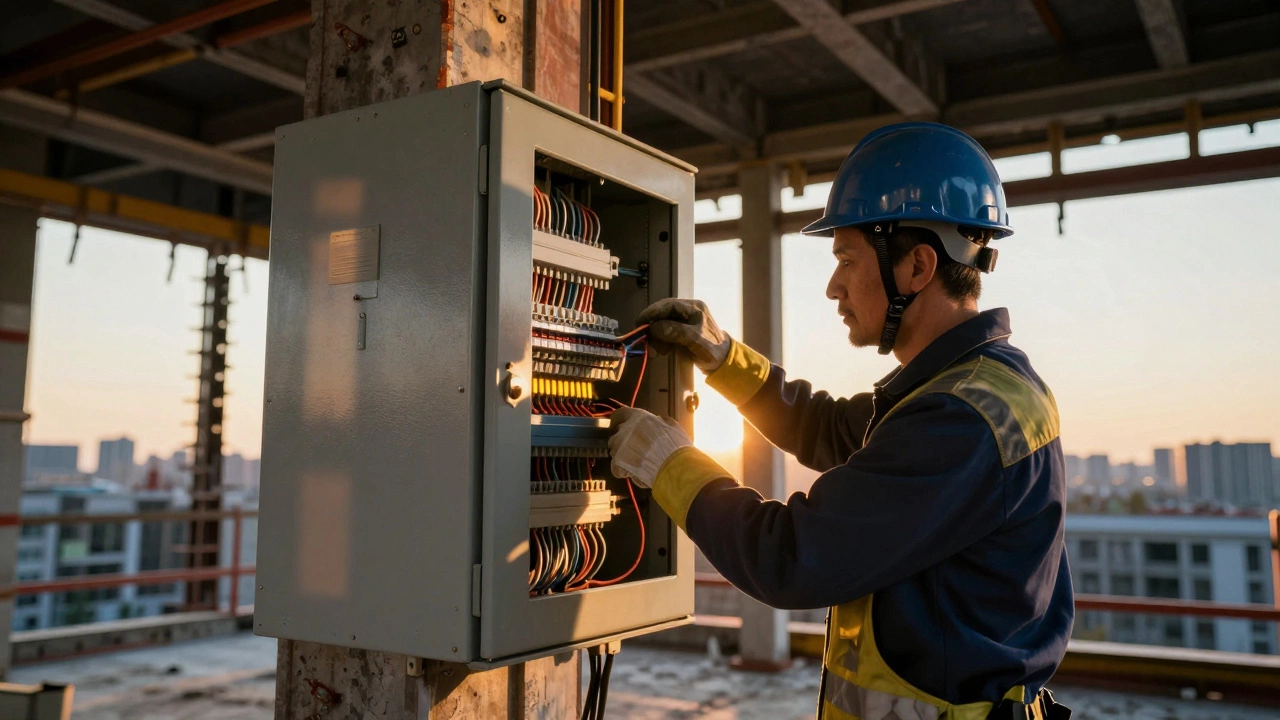
Electricians don’t just wire houses-they control the flow of power in everything from skyscrapers to smart homes. In New Zealand, a licensed electrician with five years of experience earns between $75,000 and $110,000 a year. In the U.S., the median salary is $62,000, but top-tier commercial electricians in cities like New York or San Francisco regularly hit $120,000+ with overtime and contract work.
Why so high? Because electricity is non-negotiable. No power, no business. No safe wiring, no building permit. Electricians need certification, ongoing training, and a deep understanding of the National Electrical Code (or NZS 3000 here). They also work in high-risk environments-live wires, confined spaces, high-rise buildings. That risk pays.
And it’s not just residential. Industrial electricians who maintain factory systems, data centers, or renewable energy installations can earn $130,000 or more. One Wellington-based electrician I spoke with started as an apprentice in 2018. By 2025, he was running his own team on solar farm projects-making $140,000 annually, with no boss breathing down his neck.
Plumbers Aren’t Far Behind
Plumbers are the unsung heroes of modern living. Without them, we wouldn’t have clean water, sewage systems, or heating. Their pay reflects how critical-and complex-their work has become.
In New Zealand, a qualified plumber earns $65,000-$95,000. In Australia, top plumbers in mining regions make over $150,000 because they’re working in remote sites with 12-hour shifts and fly-in/fly-out contracts. In the U.S., licensed plumbers in high-demand areas like Boston or Seattle average $80,000-$110,000.
What sets the highest earners apart? Specialization. Plumbers who install geothermal heating, commercial gas lines, or medical-grade piping in hospitals get premium rates. One Auckland plumber I know specializes in retrofitting heritage homes with modern plumbing that meets strict heritage codes. He charges $120/hour and books out six months in advance.
And here’s the kicker: plumbing has almost zero automation risk. Robots can’t snake a drain or fix a leaky joint in a 100-year-old cast iron pipe. That’s why demand keeps climbing-and so do wages.
Steamfitters and Pipefitters: The Hidden High Earners
If you’ve never heard of steamfitters or pipefitters, you’re not alone. But if you’ve ever been in a hospital, factory, or large office building, you’ve been surrounded by their work.
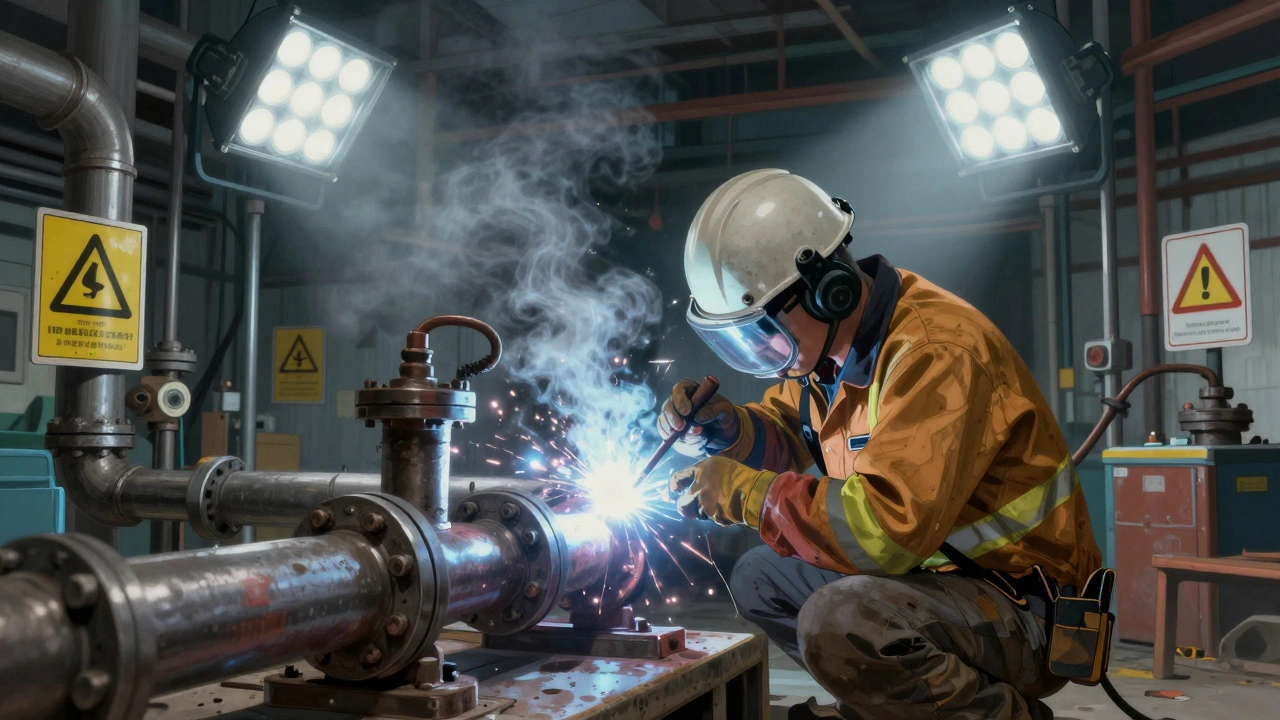
These tradespeople install and maintain high-pressure piping systems that carry steam, chemicals, gas, and coolant. Think HVAC systems in data centers, steam lines in breweries, or chemical transport in refineries.
In New Zealand, a qualified pipefitter earns $80,000-$120,000. In Canada and the U.S., they regularly clear $130,000, especially in oil and gas regions. One Wellington pipefitter who worked on the new Wellington Hospital expansion told me he spent six months on-site, working 10-hour days, six days a week. His take-home pay for that project? $118,000 in six months.
Training is tough-it takes four to five years of apprenticeship, plus certifications in welding, pressure testing, and safety protocols. But the payoff is immediate. These trades are in short supply, and companies will pay top dollar to keep them on the roster.
Ironworkers: High Risk, High Reward
Ironworkers climb steel skeletons hundreds of feet in the air. They’re the ones bolting together the frames of bridges, towers, and high-rises. One misstep, and it’s fatal. That’s why their pay is among the highest in construction.
In New Zealand, ironworkers earn $85,000-$115,000. In the U.S., especially in cities with heavy infrastructure projects like Chicago or Los Angeles, experienced ironworkers make $90,000-$150,000. Union ironworkers in New York regularly earn $160,000 with overtime and hazard pay.
It’s not just about strength-it’s about precision. One misaligned bolt can collapse a structure. Training includes fall protection, crane signaling, and structural load calculations. Many ironworkers start as laborers and work their way up. It’s brutal, dangerous work. But the pay reflects that.
Why These Trades Pay More Than You Think
It’s not magic. There are three reasons these trades command top dollar:
- Scarcity: Fewer young people are choosing trades. In New Zealand, 40% of skilled tradespeople are over 50. The pipeline is drying up.
- Specialization: General laborers earn $25-$35/hour. But electricians who can read blueprints, troubleshoot smart panels, or install EV charging stations? They’re worth $60-$80/hour.
- Non-negotiable demand: You can delay a kitchen remodel. You can’t delay power, water, or structural safety. These trades keep society running.
And unlike many white-collar jobs, you don’t need a $50,000 student loan to get there. Most apprenticeships in New Zealand are paid. You earn while you learn. By age 25, many tradespeople are earning more than university graduates.

What Trades Don’t Make the Cut?
Not all construction jobs pay well. Carpenters, for example, make solid money-$60,000-$85,000 in NZ-but they’re more common and face more competition. Painters and drywall installers? They earn $50,000-$70,000. Solid, but not top-tier.
Why? Because their work is easier to automate or outsource. A paint sprayer can be rented. Drywall panels can be pre-cut. But you can’t automate a live electrical panel or a gas line under pressure.
Also, trades with lower barriers to entry tend to have lower pay. Anyone can buy a paintbrush. Not everyone can pass the electrical licensing exam.
How to Get Into a High-Paying Trade
If you’re serious about making serious money, here’s how to start:
- Enroll in a trades academy or polytechnic (like Whitireia or Unitec) that offers apprenticeships.
- Apply for a government-subsidized apprenticeship-New Zealand’s Trade Training Grants cover up to $10,000 in fees.
- Choose a trade with specialization potential: electrical, plumbing, pipefitting, or ironworking.
- Get certified early. Don’t wait until you’re 30 to get your license.
- Work for a company that does commercial or industrial work. Residential jobs pay less.
One 19-year-old apprentice I met in Christchurch started as a laborer. Two years later, he was working on a hospital project as a licensed electrician. By 24, he was running his own crew. He doesn’t have a degree. But he owns a house, a car, and a business bank account with six figures in it.
Bottom Line: The Money’s in the Skills, Not the Paper
The highest-paying trades don’t require a degree. They require grit, precision, and a willingness to learn a craft that takes years to master. Electricians, plumbers, pipefitters, and ironworkers aren’t just workers-they’re essential infrastructure engineers.
If you want to make the most money in construction, don’t chase titles. Chase skills that can’t be replaced. Skills that keep the lights on, the water flowing, and the buildings standing. Those are the skills that pay the most.
Which trade makes the most money in New Zealand?
Electricians and pipefitters make the most money in New Zealand, with experienced professionals earning between $90,000 and $140,000 annually. Those working on commercial, industrial, or infrastructure projects-especially in renewable energy or healthcare sectors-often earn the highest wages due to specialized skills and high demand.
Can you make $100,000+ as a tradesperson without a degree?
Yes. Many electricians, plumbers, and pipefitters in New Zealand earn over $100,000 without a university degree. They earn it through apprenticeships, certifications, and years of hands-on experience. A trade license and proven skill matter more than a diploma in these fields.
How long does it take to become a high-paying trade worker?
It typically takes 4 to 5 years to complete an apprenticeship and become fully licensed. After that, it takes another 2-5 years of experience to reach top pay rates. Most tradespeople hit $90,000+ by age 28-32 if they stay focused and specialize.
Are construction trades a good career choice for young people today?
Absolutely. With labor shortages in skilled trades, demand is rising and wages are climbing. Young people entering these fields avoid student debt, earn while they learn, and build careers that can’t be outsourced or automated. Many are buying homes and starting businesses by their early 30s.
Do tradespeople work year-round, or is it seasonal?
Most skilled trades work year-round, especially in commercial and industrial sectors. Residential work slows in winter, but plumbers, electricians, and pipefitters are needed indoors regardless of weather. Many also take on maintenance contracts or government projects that run all year.
Next steps? If you’re considering a trade, visit your local polytechnic or contact a union like the Electrical Workers’ Union or Plumbing, Gas and Waterfitters Union. Ask about apprenticeships. Show up. Get started. The money isn’t waiting for the next degree holder-it’s waiting for the next skilled worker.