2025/11 Plumbing and Construction Insights: Foundation Repair, New Build Issues, and Roofing Costs
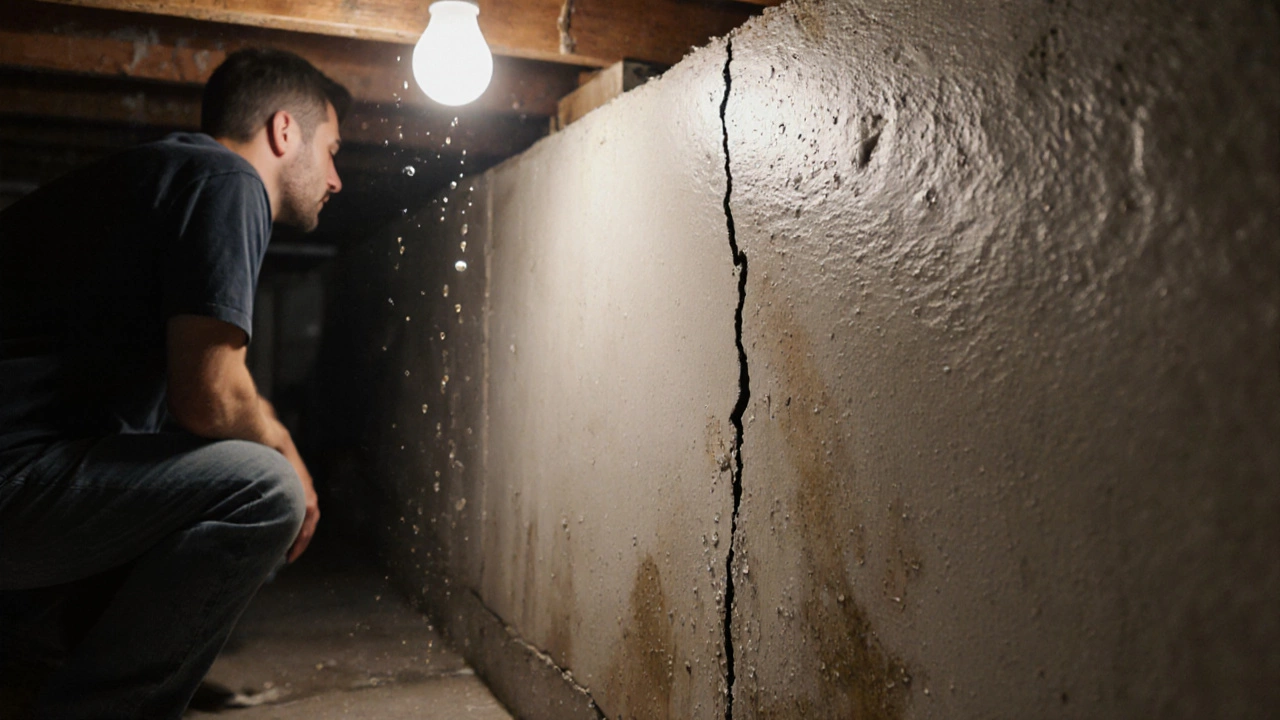
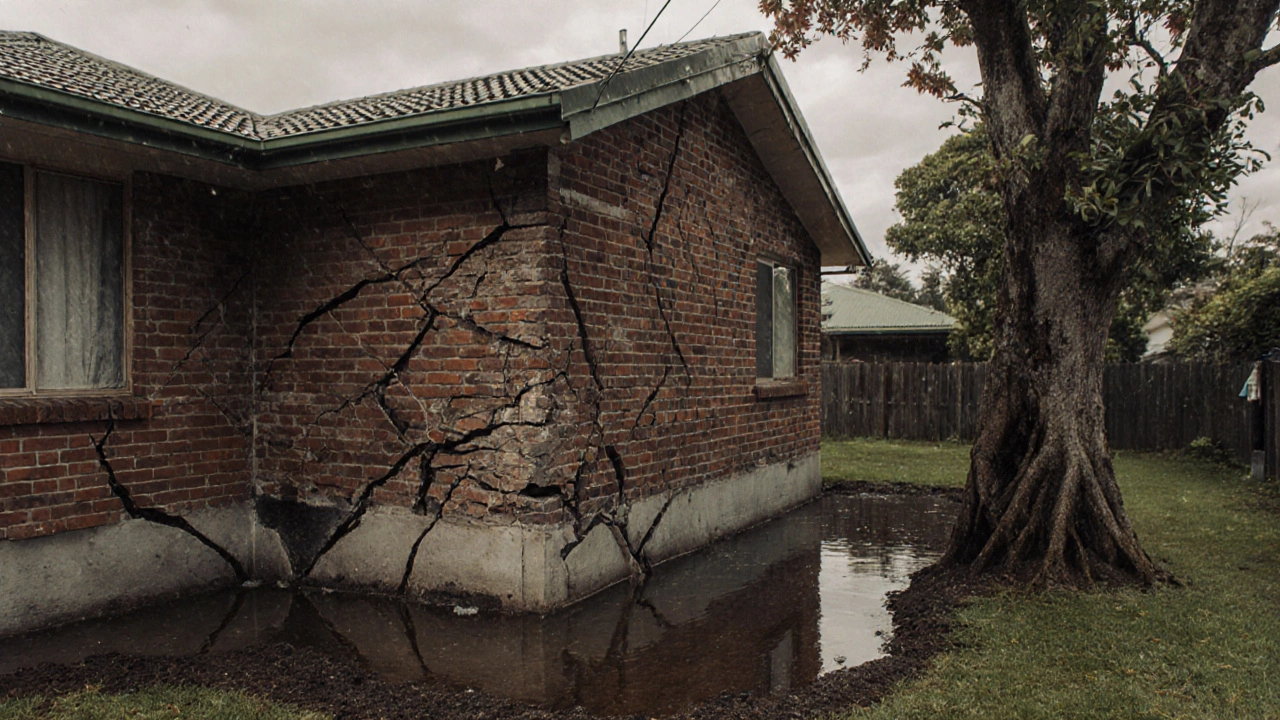
When it comes to foundation repair, the process of stabilizing or correcting structural damage to a home’s base to prevent further settling, cracking, or collapse. Also known as structural foundation correction, it’s not just about patching cracks—it’s about stopping long-term damage before your walls tilt or floors slope. If you live in an area with clay soil or seismic activity, like Wellington, ignoring even small foundation issues can lead to expensive, life-changing problems. Many homeowners think a crack is just a cosmetic fix, but it’s often a sign of shifting soil, water pressure, or poor drainage. The real question isn’t whether to fix it, but whether to fix it from the inside or outside—and why the latter usually lasts longer.
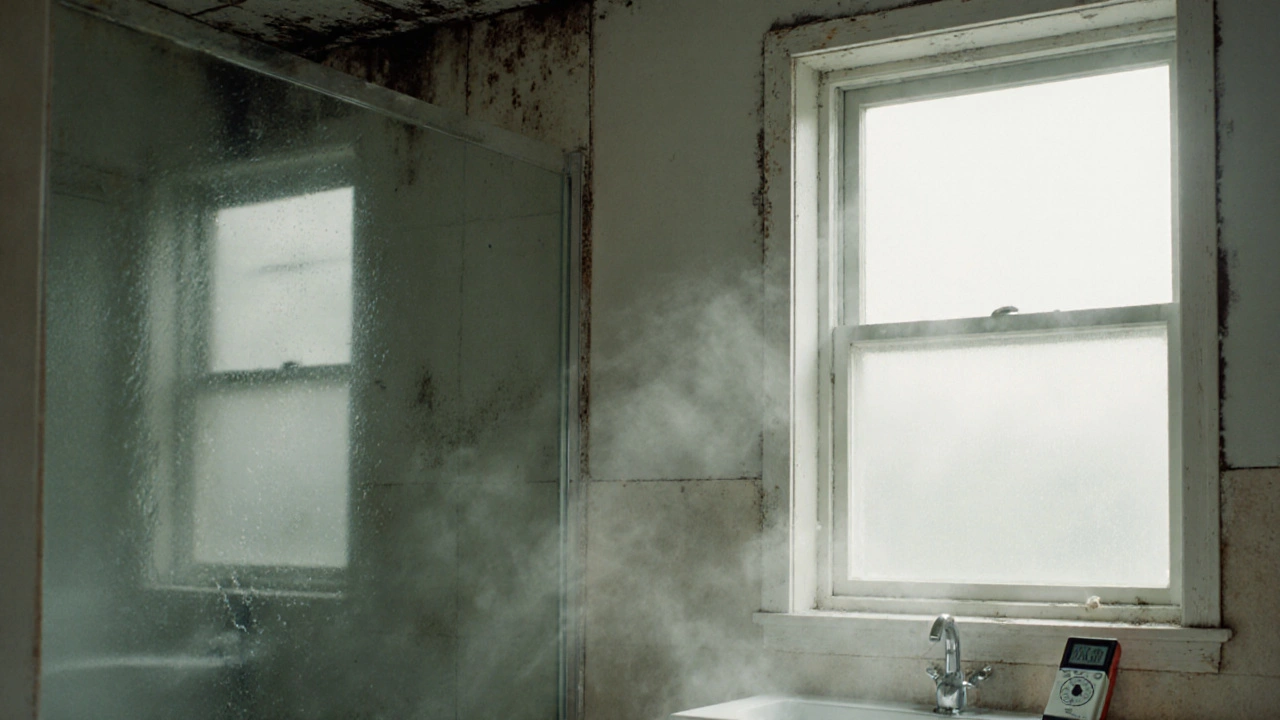
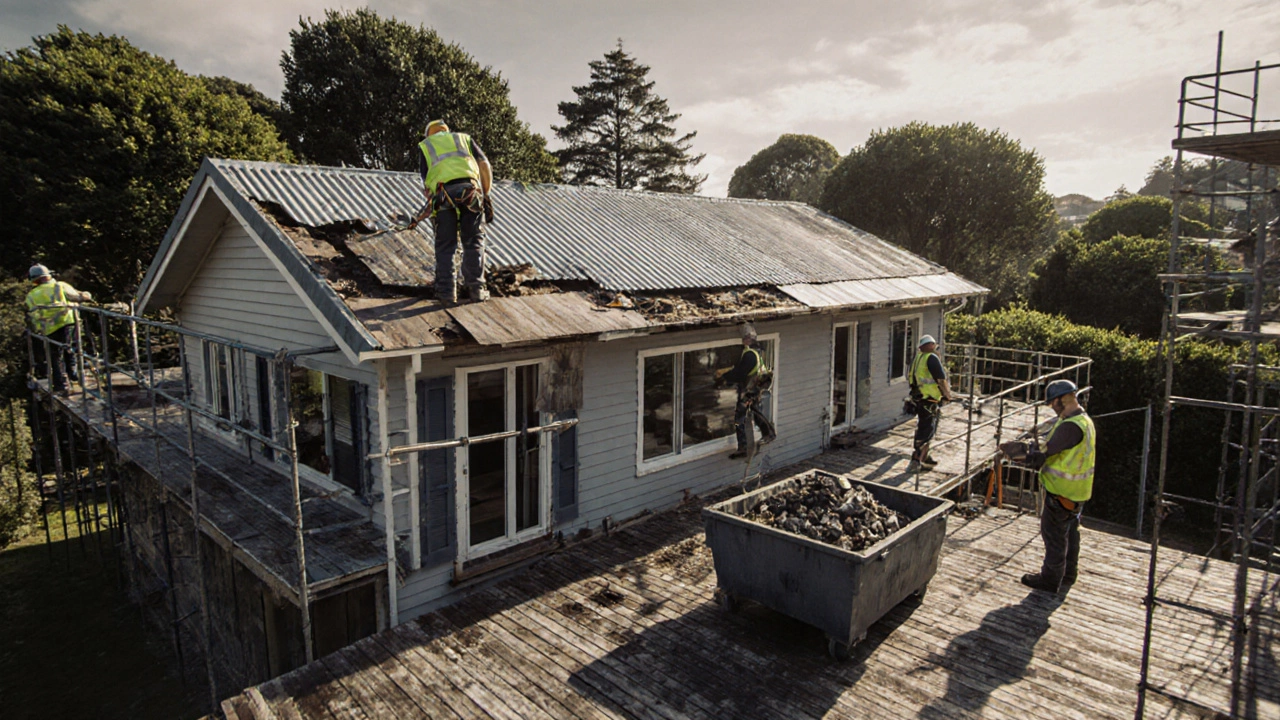
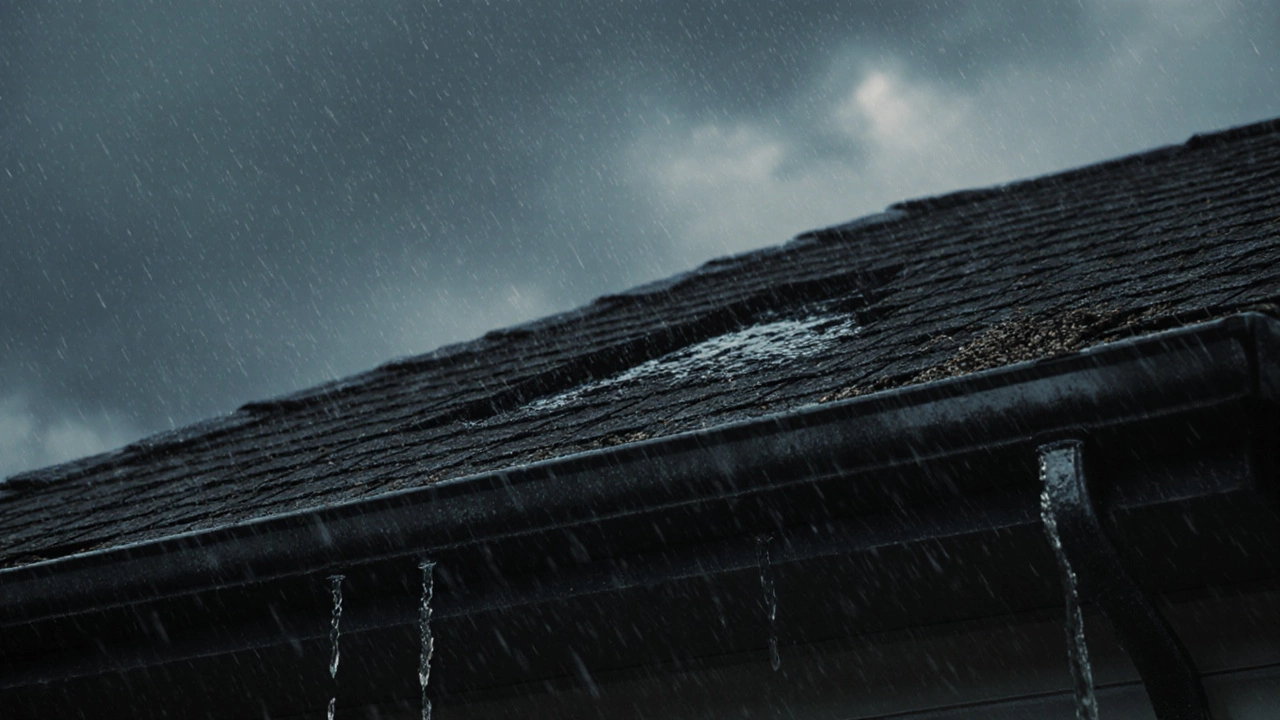
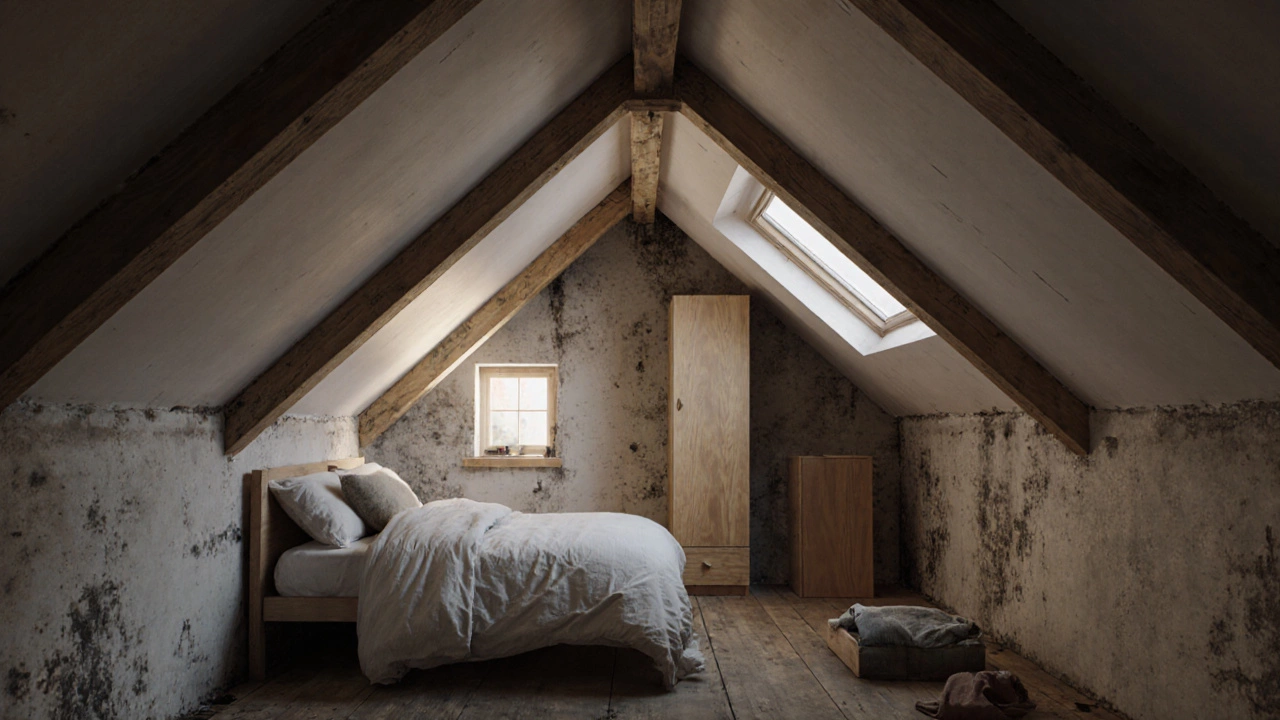
New build mold, the growth of fungus in newly constructed homes caused by trapped moisture during rushed construction and inadequate ventilation. Also known as construction moisture damage, it’s more common than you’d think. Builders often rush to meet deadlines, leaving wet plaster, damp insulation, and poor airflow. That’s why you can’t just move in and start painting—your walls need six to twelve months to dry out. Skip this step, and you risk voiding your builder’s warranty, triggering health issues, or facing a costly remediation job later. Then there’s homeowners insurance, a policy that covers damage to your home and belongings, but rarely includes the source of plumbing or structural failures. Also known as property insurance, it often pays for water damage from a broken pipe under your foundation—but not the pipe itself. That’s a key detail most people miss until they’re staring at a flooded basement and a denied claim. And if you’re thinking about roofing, forget hourly rates. In places like New Zealand, roofing companies charge by the square meter, not by the hour. What you’re really paying for is labor, materials, and risk—especially when weather conditions make jobs dangerous.
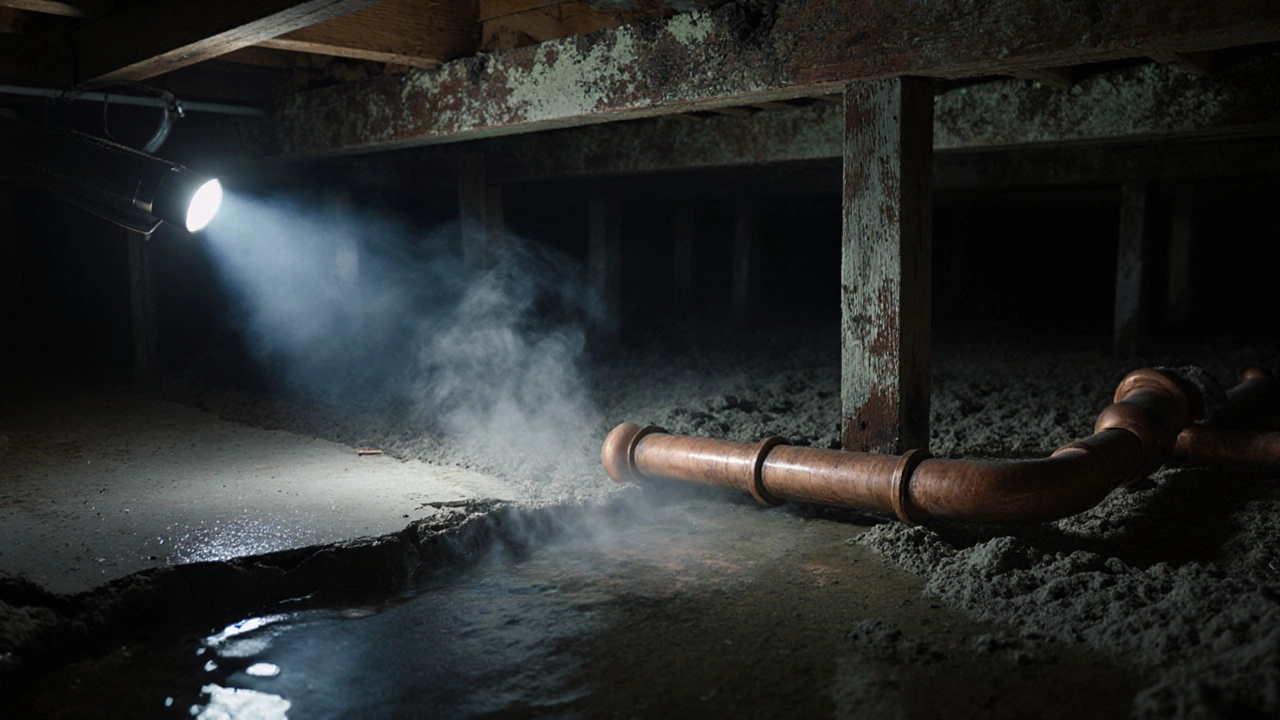
These aren’t random topics. They’re connected. A cracked foundation lets water in. Water causes mold. Mold means you need repairs. Repairs cost money—and insurance might not cover the root cause. Meanwhile, the same forces that affect your home’s structure also drive up costs for companies building new houses or fixing old ones. The top construction firms in the world don’t just build skyscrapers—they manage risk, timing, and materials better than anyone else. And if you’re trying to fix your own home, you’re up against the same principles, just on a smaller scale.
What you’ll find below are real stories from real homes. How to tell if your foundation crack is serious. Why your new house smells musty even though it’s brand new. What your insurance policy actually hides in the fine print. And why calling a roofer before a leak happens might save you thousands. No fluff. No theory. Just what works—and what doesn’t—in homes right now.