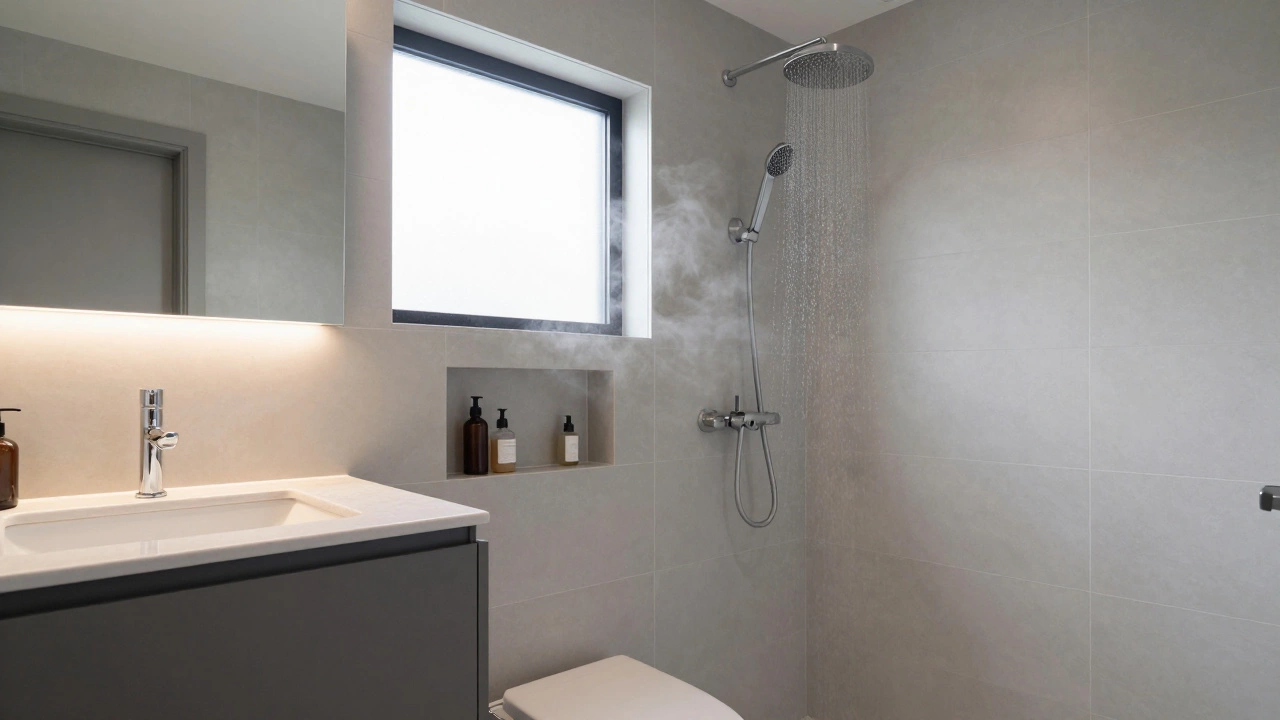
Bathroom Upgrades: Smart Ways to Improve Function and Value
When you think about bathroom upgrades, changes made to improve the function, safety, or appearance of a bathroom. Also known as bathroom renovations, these projects go far beyond new tiles or a fancy mirror—they’re about fixing what doesn’t work and making the space fit your life better. A poorly planned upgrade can waste money and create headaches. But a smart one? It cuts water bills, stops leaks before they ruin your floors, and makes your morning routine actually pleasant.
Plumbing upgrades, the core of any real bathroom improvement are often ignored until something breaks. Old pipes leak. Fixtures drip. Drainage backs up. These aren’t just annoyances—they’re signs your system is outdated. Upgrading pipes, valves, and water pressure regulators isn’t glamorous, but it’s the difference between a bathroom that lasts and one that needs fixing again in five years. And it’s not just about fixing leaks. Better plumbing means faster showers, stronger flushes, and lower water bills. Pair that with bathroom design, how space, fixtures, and materials are arranged for usability, and you get a room that’s not just pretty, but actually works the way you need it to.
Many people focus on tiles, lighting, or vanities—but those are the toppings, not the meal. The real value comes from what’s behind the walls: proper ventilation to stop mold, correct slope on floors to avoid standing water, and plumbing that meets current codes. If you’re in an older house, you might be surprised how much has changed since the 1980s. Modern standards for water efficiency, accessibility, and safety weren’t even on the table back then. A good bathroom upgrade doesn’t just look better—it’s safer, quieter, and uses less water.
You don’t need a full tear-out to make a difference. Sometimes it’s just replacing a faulty shower valve, upgrading to a high-efficiency toilet, or adding a better exhaust fan. But if you’re planning bigger changes—like moving a sink or adding a walk-in shower—you need to know what’s possible with your existing plumbing layout. That’s where experience matters. You can’t just copy a Pinterest board and expect it to work. Every house has its own quirks, and the best upgrades are the ones built around what’s already there.
What you’ll find below are real examples of what works—and what doesn’t. From fixing chronic leaks to redesigning cramped spaces, these posts cover the practical side of bathroom upgrades. No fluff. No guesswork. Just clear advice on what to prioritize, what to avoid, and how to make sure your investment actually pays off.