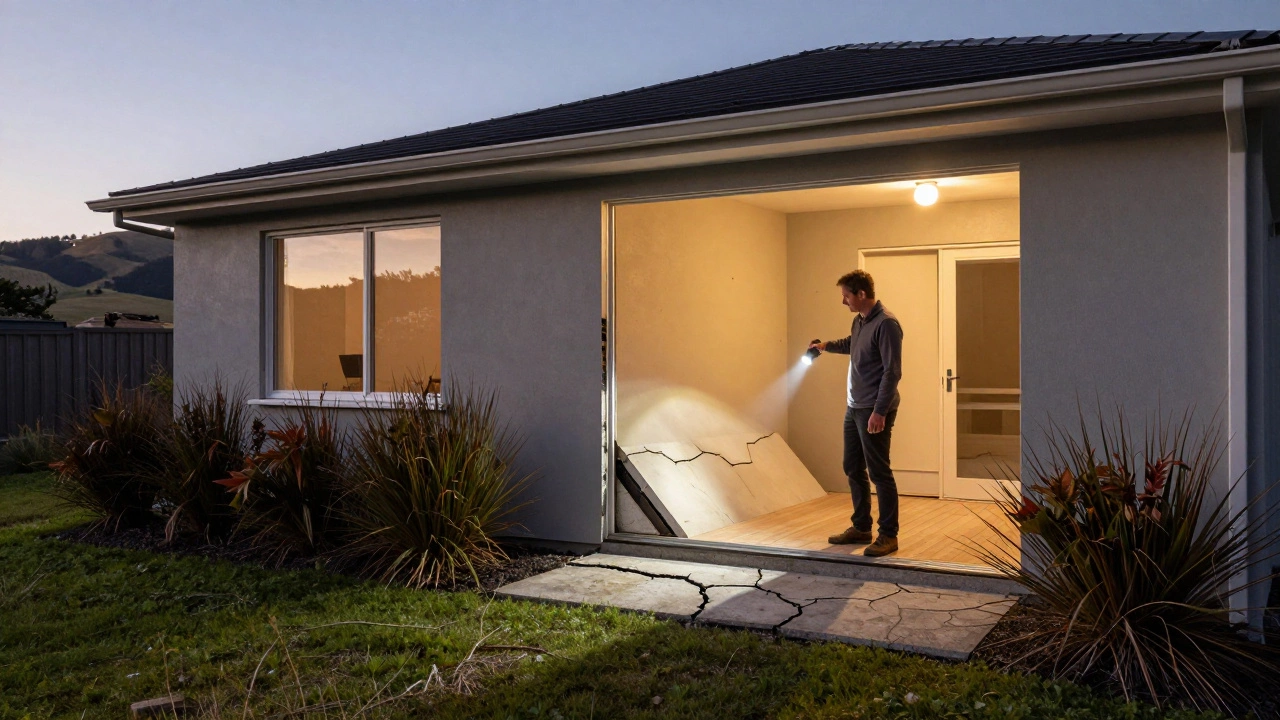
Foundation Repair Coverage: What’s Covered and What You Need to Know
When your home’s foundation, the structural base that supports your entire house starts to crack or shift, it’s not just a cosmetic problem—it’s a safety issue. Foundation damage doesn’t happen overnight, but when it does, the costs can be overwhelming. Most people assume homeowners insurance will step in, but that’s not always the case. Homeowners insurance, a policy designed to protect your home from unexpected damage typically covers sudden, accidental events like a burst pipe under your foundation, but not the slow, creeping damage that causes most foundation problems. What you’re really paying for isn’t the crack itself—it’s the water damage, mold, or structural collapse that follows. And if you’ve got a structural defect, a flaw that threatens the safety or stability of your home, you’re often on your own.
Foundation repair isn’t one-size-fits-all. Some fixes are temporary—like injecting epoxy into a crack from the inside. Others tackle the root cause—like underpinning the entire base from the outside. The method you need depends on soil type, water drainage, and how long the problem’s been growing. In places with clay soil or heavy rain, like parts of the UK, settling and shifting are common. If your floors slope, doors stick, or walls show diagonal cracks, you’re not imagining it. These aren’t just signs of wear—they’re red flags that your home’s core is under stress. And while you might think a new build is safe, many new home defects, hidden flaws that appear after construction show up in the foundation within the first few years. Rushing to decorate or ignoring small cracks can turn a fixable issue into a $50,000 repair.
So what can you do? First, don’t panic—but don’t wait. Document every crack, take photos, and get a professional inspection. Know what your policy actually covers. Most insurers won’t pay for foundation repair due to settling, poor drainage, or aging materials. But if a covered event like a plumbing leak caused the damage, they might cover the water cleanup and even the repair. That’s why knowing the difference between cause and effect matters. The foundation repair itself? Probably not covered. The damage it caused? Maybe. That’s why the posts below walk you through real cases: how to spot early warning signs, what repair methods actually work, why some fixes fail, and how to talk to your insurer without getting turned down. You’ll find answers about cracked foundations, insurance loopholes, and what to do before your house starts leaning. No fluff. Just what you need to protect your biggest investment.