Foundation Repair Time: How Long Does It Really Take?
When your home shows signs of foundation repair, the process of fixing structural issues in a building’s base to restore stability and prevent further damage. Also known as foundation stabilization, it’s not just about filling cracks—it’s about stopping your house from sinking, tilting, or worse. If you’ve noticed sloping floors, sticking doors, or new cracks in your walls, time isn’t on your side. But how long does it actually take to fix? It’s not one-size-fits-all. Some jobs wrap up in a day. Others stretch over weeks. What makes the difference? The type of damage, the soil under your house, and the method used.
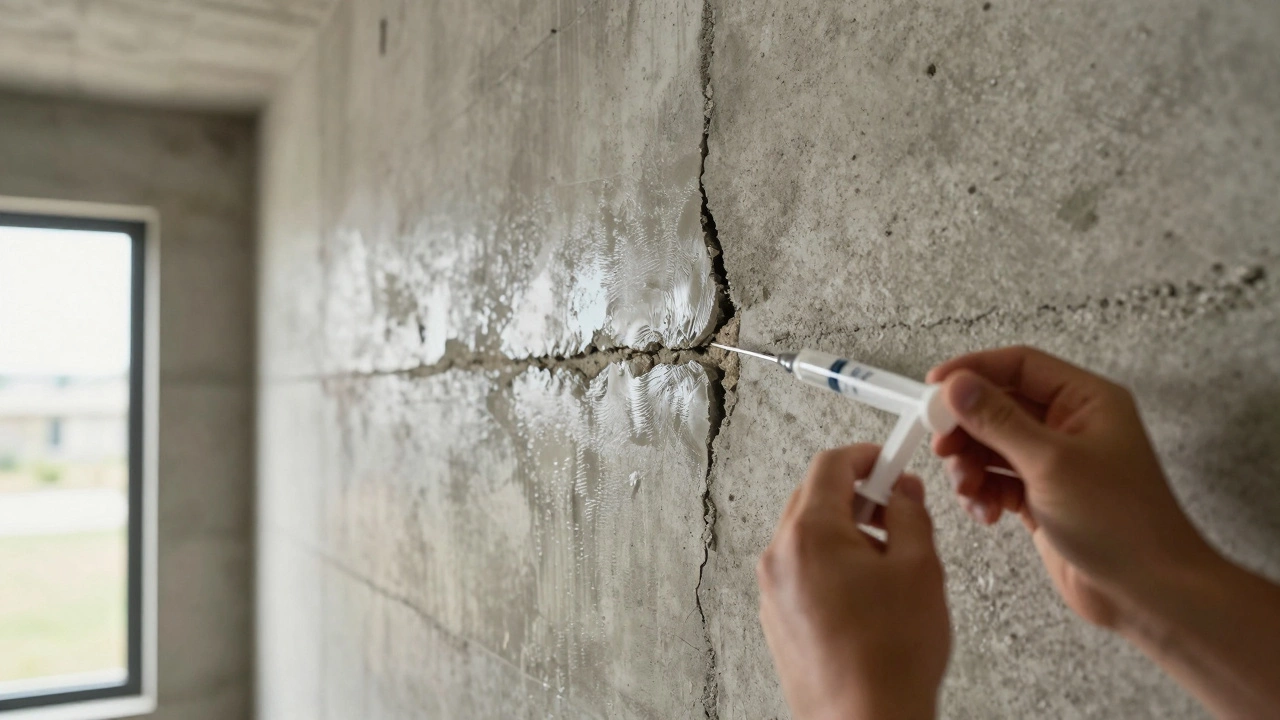
For example, foundation crack repair, a targeted fix for small to medium cracks using epoxy or polyurethane injections. Also known as crack sealing, it’s often the fastest solution—usually done in a single day. But if your whole foundation is sinking because of clay soil expanding and contracting, you’re looking at house settling, the gradual downward movement of a home’s foundation due to soil shifts, poor drainage, or inadequate support. Also known as foundation settlement, it’s a slow process that demands serious intervention. That means piering or underpinning, which can take 3 to 7 days, sometimes longer if weather delays work or permits are needed.
Here’s the thing: most people panic when they see a crack and rush to call the first contractor. But rushing often means picking the wrong fix. Interior fixes like epoxy injections might look clean, but they don’t fix the root cause—water pressure or soil movement. Exterior repairs, though messier and pricier, actually stop the problem from coming back. And if your house is in an area with clay soil or frequent rain—like parts of the UK—you’re more likely to need a full stabilization job, not just a patch.
Insurance won’t cover the repair itself, but it might cover water damage from a broken pipe under your foundation. That’s why knowing the difference between a surface crack and a structural issue matters. A major structural defect can turn a $2,000 fix into a $20,000 disaster if ignored. And yes, houses can collapse from foundation issues—especially in older builds or areas with unstable ground.
So how long should you wait? Don’t wait at all. If your foundation is moving, every week counts. But don’t rush into a quote either. The best repairs come from knowing your soil, your home’s age, and the real cause—not just the symptom. Below, you’ll find real cases from UK homes: what worked, what didn’t, and how long each job actually took. No fluff. Just what you need to decide before the next contractor walks in the door.