Glass in Construction: What You Need to Know About Use, Risks, and Upgrades
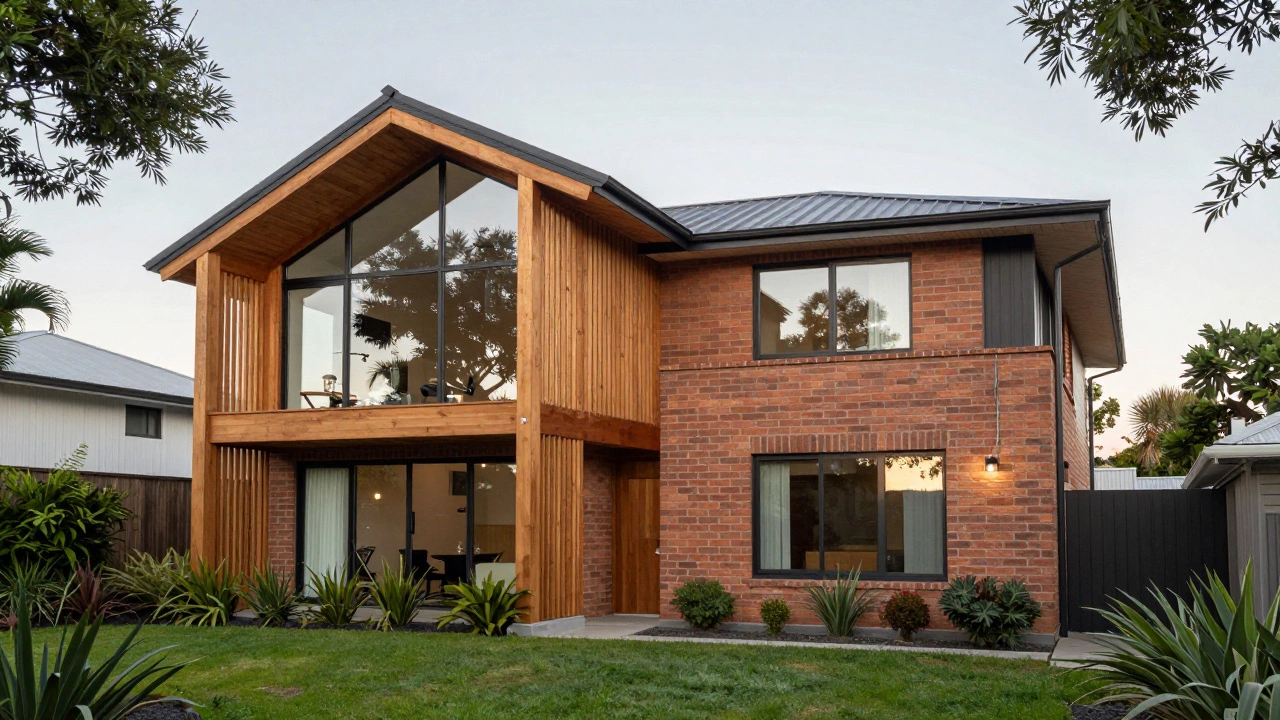
When you think of glass, a transparent building material used in windows, facades, and interior partitions. Also known as glazing, it's a key part of modern architecture because it lets in light and makes spaces feel bigger. But glass isn’t just decorative—it affects energy efficiency, safety, and even structural integrity. In new builds and commercial projects, glass is everywhere: floor-to-ceiling windows, glass railings, glass roofs. But using it doesn’t mean it’s done right. Poor installation, thermal stress, or weak framing can turn glass into a liability.
That’s why commercial construction, projects designed for business use like offices, retail, or warehouses. Also known as non-residential building, it often pushes glass to its limits—bigger panels, higher floors, more exposure to weather. In these settings, glass must meet strict codes for impact resistance, fire rating, and thermal performance. A single cracked panel in a high-rise can mean costly repairs or even legal trouble. And in homes, especially new builds, glass can hide bigger problems. Moisture trapped behind glass panels? That’s a recipe for mold. Poorly sealed windows? That’s where heat escapes and bills rise. You can’t just pick the shiniest glass and call it a day.
Then there’s the link between new build defects, hidden flaws in recently constructed homes that show up after move-in. Also known as construction faults, they often involve materials like glass that seem fine at first but fail over time. A glass shower enclosure that leaks? That’s not just a nuisance—it can rot the subfloor. A glass balustrade that wobbles? That’s a safety hazard. These aren’t cosmetic issues. They tie into bigger problems like structural integrity, how well a building holds up under stress from weight, wind, or settling. Also known as building stability, it’s what keeps your home from sagging, cracking, or worse. Glass doesn’t carry load, but if it’s installed wrong, it can expose weaknesses in the frame, foundation, or insulation.
And here’s the thing—most people don’t realize how much glass affects their energy bills or insurance claims. A single broken window can lead to water damage, which might not be covered by insurance if it’s tied to poor installation. That’s why so many posts in this collection focus on what goes wrong behind the scenes: foundation cracks that shift windows, poor ventilation that causes condensation on glass, or rushed builds that skip proper sealing. It’s not about how fancy your windows look. It’s about whether they’re doing their job.
What you’ll find below aren’t just articles about pretty glass designs. These are real-world breakdowns of how glass interacts with plumbing, structure, insulation, and weather. You’ll learn why a glass wall in a new home might be the cause of mold, how commercial buildings manage thermal expansion, and what to check for before you sign off on a renovation. This isn’t theory. It’s what happens after the builder leaves—and what you need to know to protect your home or business.