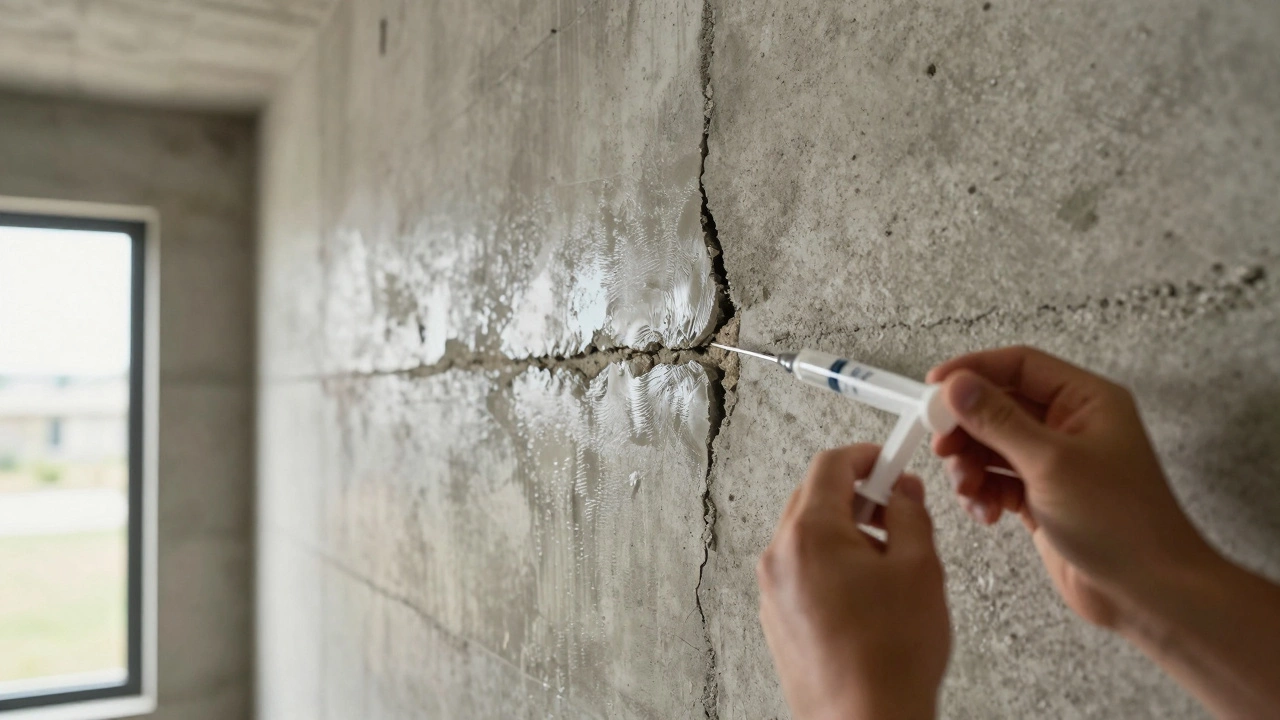
House Foundation Crack: Signs, Causes, and What to Do Next
When you spot a house foundation crack, a visible break in the concrete or masonry that supports your home. Also known as cracked foundation, it's not just a cosmetic flaw—it's often the first sign of something deeper going wrong with your home's structure. These cracks don’t appear out of nowhere. They happen because the ground beneath your house is shifting, drying out, or getting too wet. In places like the UK, where soil types vary from clay to chalk, even small changes in moisture can make your foundation move. And when it moves, it cracks.
Not all foundation cracks are the same. Thin, hairline lines might just be from normal settling, especially in newer homes. But wide cracks—over 1/4 inch—or cracks that run diagonally, step through bricks, or show up near doors and windows? Those are red flags. They often mean your home is sinking unevenly, which is a structural damage, a serious issue that affects the safety and stability of your home. Also known as foundation problems, this kind of damage can lead to sticking doors, sloping floors, and even wall collapse if ignored. And it’s not just the crack itself you need to worry about. Water can seep in through those gaps, leading to mold, rot, and further weakening of the foundation. That’s why a small crack today can turn into a $20,000 repair tomorrow.
Many people try to patch foundation cracks with epoxy or caulk, thinking that’s enough. But if the root cause—like poor drainage, tree roots, or soil expansion—isn’t fixed, the crack will come back. The real solution often involves foundation repair, professional methods like underpinning, pier installation, or exterior waterproofing to stabilize the structure. Also known as foundation solutions, these aren’t DIY jobs. They require trained experts who know how to assess the cause and choose the right fix for your soil type and home design. The good news? Most foundation issues can be stopped before they destroy your home’s value—if you act early. The posts below show you exactly what to look for, how to tell if you’re in danger, what repairs actually work, and how insurance might (or might not) help you pay for it. You’ll also find real examples from homes in the UK, so you know what’s typical and what’s a warning sign.