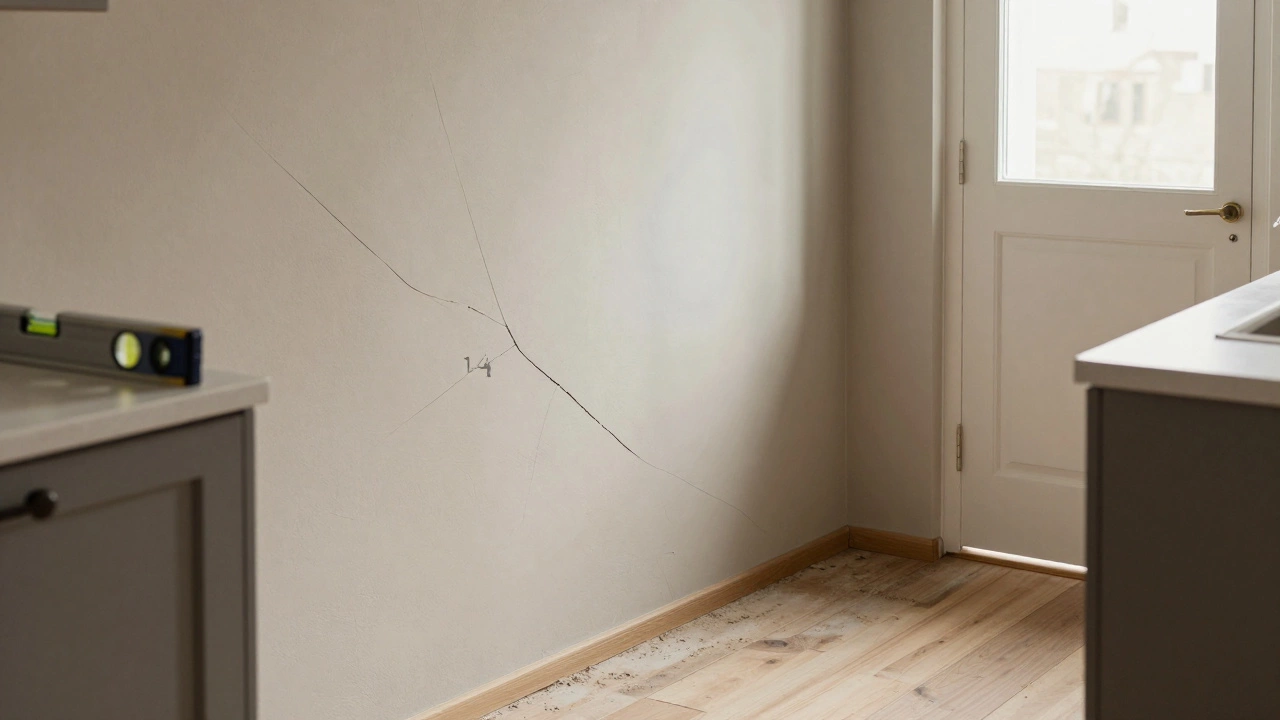
House Foundation Damage: Signs, Causes, and How to Fix It
When your home starts showing cracks in the walls, uneven floors, or doors that won’t close right, it’s often not just a cosmetic issue—it’s house foundation damage, a structural problem that compromises the safety and value of your home. Also known as foundation settlement, this isn’t something you can paint over or ignore. It’s the root cause behind many costly home repairs, and left unchecked, it can lead to partial collapse, especially in areas with clay soil or frequent rainfall.
Foundation damage doesn’t happen overnight. It’s usually the result of soil movement, poor drainage, or aging materials. Foundation crack repair, a common fix for minor shifts, might seem like a quick solution, but if the underlying cause—like water pooling near the base—isn’t fixed, the cracks will return. That’s why foundation repair, a broader process that includes underpinning, slab jacking, or drainage solutions is often needed. Many homeowners don’t realize that structural damage, which includes sagging beams, leaning walls, or large foundation gaps is often tied directly to what’s happening beneath the surface. And if you’ve ever wondered why insurance won’t cover it, that’s because most policies only pay for sudden damage, not gradual wear from soil pressure or plumbing leaks under the slab.
What you see inside your home—cracks above doorframes, sticking windows, or tiles popping up—is just the symptom. The real problem is outside: gutters clogged with leaves, downspouts emptying right next to the foundation, or soil that’s too wet or too dry. In places like Wellington, where the ground shifts with rain and earthquakes, foundation issues are common. But they’re not inevitable. Knowing the early signs—like a gap between the foundation and the siding, or stair-step cracks in brickwork—can save you thousands. You don’t need to wait for a disaster to call someone in. A quick inspection can tell you if it’s a minor settle or something serious.
The posts below cover real cases from UK homes—what caused the damage, how it was fixed, what insurance did or didn’t pay, and whether interior or exterior repairs make more sense long-term. You’ll find honest advice on when to act, what methods actually work, and how to avoid being sold a band-aid solution. This isn’t theory. It’s what happens when foundations fail—and how to stop it before your home does.