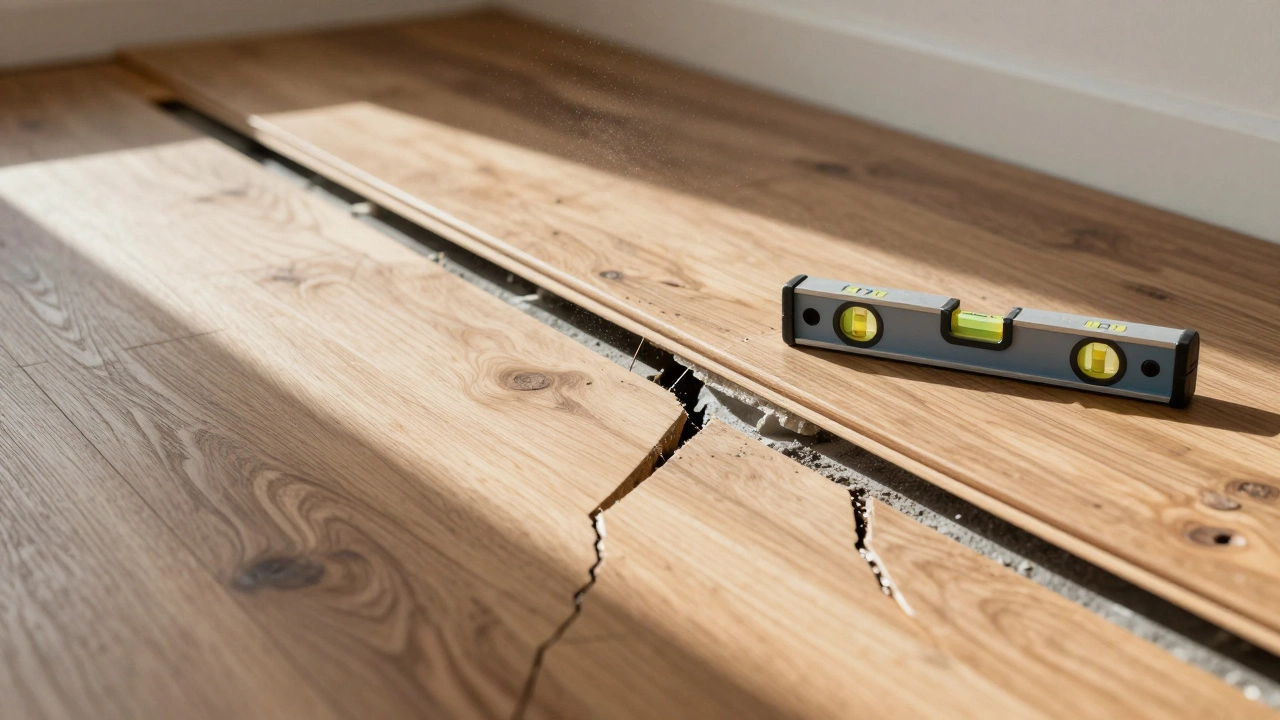
House Structural Issues: Signs, Causes, and What to Do Next
When your home starts showing signs of house structural issues, problems that affect the safety and stability of a building’s load-bearing parts. Also known as structural damage, these aren’t cosmetic—they’re serious, and they don’t fix themselves. It’s not just about cracks in the wall. If your doors won’t close, floors slope toward the center, or windows suddenly stick, your home’s skeleton is under stress. And if you ignore it, what starts as a small crack can turn into a $50,000 repair—or worse.
Most foundation problems, damage to the base that supports the entire structure. Often caused by soil movement, poor drainage, or aging materials. show up first. Clay soil expands when wet and shrinks when dry, pulling your foundation out of alignment. In places like Wellington, seismic activity adds another layer of risk. Then there’s cracked foundation, visible breaks in the concrete or masonry base that can signal shifting or settling. Not all cracks are dangerous, but horizontal cracks, stair-step patterns in brick, or gaps wider than a quarter-inch? Those need professional eyes. And don’t confuse it with surface hairline cracks—those are normal settling. Real structural damage moves. It grows. It changes how your home behaves.
What makes it worse? Delay. People wait because they think it’s cheap to ignore, or they assume insurance will cover it. But foundation repair, the process of stabilizing or restoring a damaged foundation to prevent further harm. isn’t something you fix with caulk or paint. It requires underpinning, slab jacking, or helical piers—methods that need skilled labor and proper permits. And insurance? Most policies won’t cover the root cause—only the water damage from a broken pipe underneath. You’re left holding the bill for the structural fix.
These aren’t just random problems. They’re connected. Poor drainage leads to soil erosion, which causes foundation shift, which creates wall cracks and misaligned doors. A new build that wasn’t allowed to settle properly? That’s a ticking clock. Even something as simple as a clogged gutter can, over time, become a major structural threat. You don’t need to be an engineer to see the warning signs. You just need to pay attention.
Below, you’ll find real cases from homeowners who faced the same issues—cracked foundations, sagging floors, mold from hidden leaks, and what actually worked to fix them. No fluff. No guesswork. Just what to look for, what to avoid, and how to act before it costs you more than your home is worth.