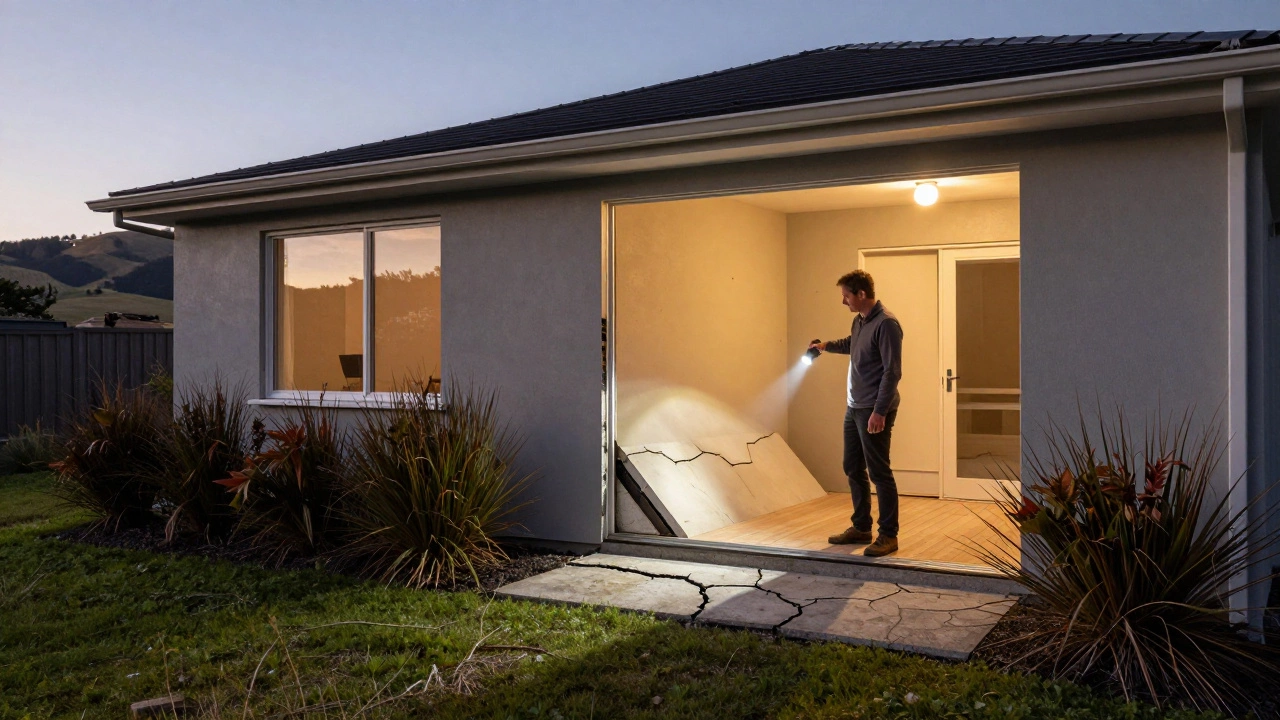
Insurance and Foundation Damage: What’s Covered and What You Need to Know
When your home’s foundation starts showing cracks, sloping floors, or sticking doors, the first question isn’t just how to fix it—it’s homeowners insurance, a policy designed to protect your home from unexpected damage, but with clear limits on what counts as covered loss. Most people assume insurance will pay for foundation repairs, but that’s not how it works. foundation damage, structural harm caused by soil movement, water leaks, or poor construction that compromises the home’s stability is often excluded unless it’s caused by a sudden, covered event like a burst pipe or fire. Slow leaks from aging pipes under your slab? That’s usually not covered. But the water damage those leaks cause? That might be.
Here’s the real issue: plumbing damage, leaks, bursts, or corrosion in pipes that can lead to water seepage beneath the foundation is one of the top hidden causes of foundation problems. If a pipe breaks under your foundation and water washes away soil, your foundation shifts. Your insurance might cover the water damage inside your walls, but not the cost to relevel your house or inject concrete under the slab. And if the pipe failure was due to wear and tear—something you didn’t maintain—that’s on you. Many homeowners don’t realize their policy has a latent defect exclusion, meaning if the damage came from something that was already slowly failing, you’re out of luck. That’s why catching early signs—like new cracks near doorframes or floors that feel uneven—is critical. The sooner you act, the less expensive the fix, and the better your chance of getting any coverage at all.
Foundation issues don’t happen overnight. They’re the result of years of water exposure, poor drainage, or shifting soil. But insurance companies don’t care about gradual damage—they only pay for sudden, accidental events. That’s why a single burst pipe under your home can trigger a claim, but 10 years of slow seepage from a leaking sewer line won’t. You can’t rely on insurance to fix what you ignored. What you can rely on is knowing the difference between what’s repairable and what’s a total loss. The posts below walk you through real cases: how to spot foundation problems before they cost you tens of thousands, what your insurance actually covers when pipes fail, and why fixing a crack from the inside might save you money now—but cost you more later. You’ll also find out why new builds often have hidden foundation flaws, and how to avoid becoming another statistic.