New Build Red Flags: What to Watch For in a New Home
When you buy a new build, a recently constructed home sold as move-in ready. Also known as new construction, it should feel like a fresh start—but too often, it’s hiding problems that won’t show up until months later. Many buyers assume new means perfect, but that’s not always true. Rushed timelines, cheap materials, and poor workmanship can turn a dream home into a money pit. The biggest red flags aren’t always obvious on move-in day. They show up after the first winter, after the first heavy rain, or after the builder’s warranty expires.
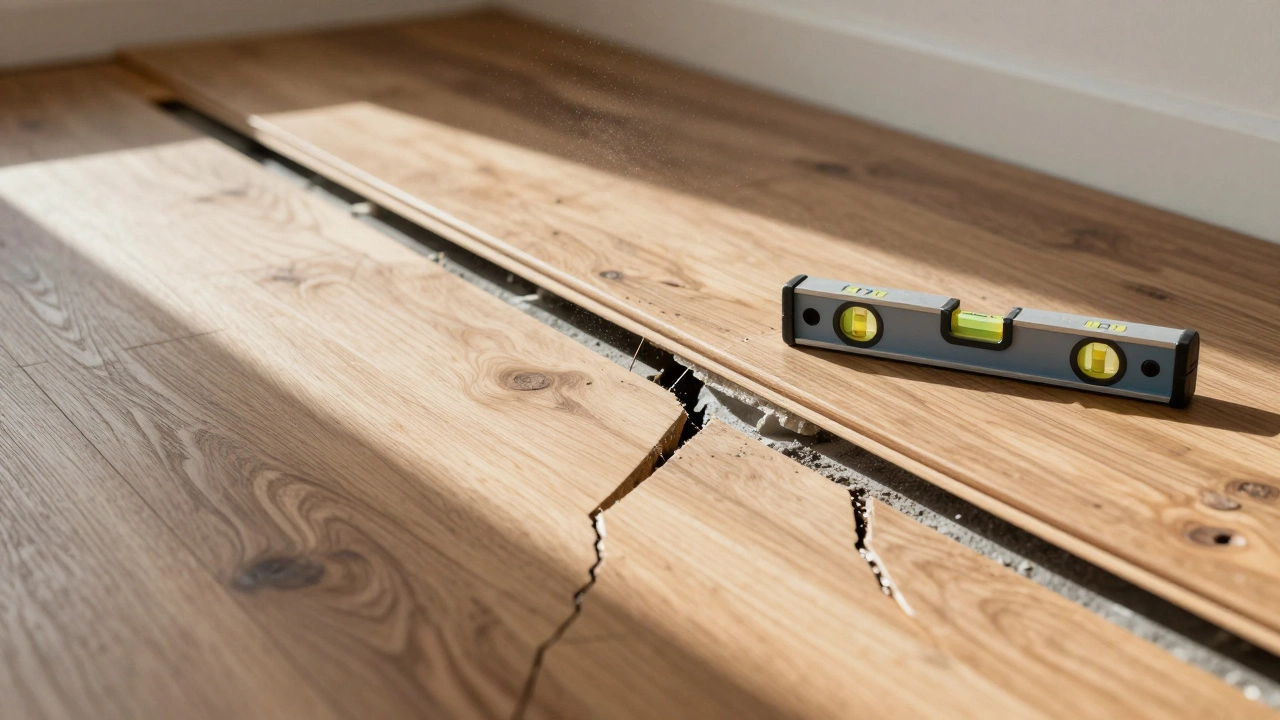
New home defects, hidden flaws in construction that affect safety, function, or value are more common than you think. Look for uneven floors, doors that stick, or cracks in plaster near windows—that’s not settling, that’s poor framing. Mold behind kitchen cabinets? That’s not just dirt; it’s trapped moisture from bad ventilation or wet insulation left in the walls during build. And if the builder skipped the damp-proof membrane under the slab? You’re asking for long-term damage. Foundation problems, like cracks wider than a hairline or sloping floors, are serious. They don’t fix themselves. Construction defects, errors in materials or installation that violate building standards can cost tens of thousands to fix after you move in.
You’re not alone if you’ve heard stories of people discovering leaking roofs, faulty plumbing behind walls, or electrical wiring that doesn’t meet code. These aren’t rare. They’re symptoms of a system that prioritizes speed over quality. The builder’s warranty sounds reassuring, but it only covers what’s obvious—and only for a year or two. By then, many defects are already hidden under flooring, drywall, or landscaping. That’s why you need to know the signs before you sign. Look for water stains under sinks, gaps around windows, or a musty smell in the basement. Check the gutter downspouts—do they point away from the house? If not, water pools near the foundation. That’s a red flag. And if the builder refuses to let you hire an independent inspector? That’s a bigger one.
Don’t wait until you’re living there to find out. A few hours with a good inspector before completion can save you thousands. You’ll find out if the insulation is thick enough, if the drains slope correctly, if the windows are sealed, and if the structure is truly sound. The truth is, most new builds aren’t broken—they’re just incomplete. The real question isn’t whether your home has problems. It’s whether you’ll catch them before it’s too late.
Below, you’ll find real cases from homeowners who spotted these red flags too late—and the ones who caught them early. Learn what to look for, what to demand, and how to protect yourself before you hand over the keys.