New Home Inspection: What to Look For and What You Can't Ignore
When you buy a new home inspection, a professional evaluation of a recently built property to uncover hidden flaws before final purchase. Also known as a new build survey, it’s not just a formality—it’s your last chance to catch problems the builder might have missed or ignored. Too many people assume "new" means perfect. It doesn’t. Even the best builders rush deadlines, cut corners, or miss small errors that turn into big, expensive headaches later.
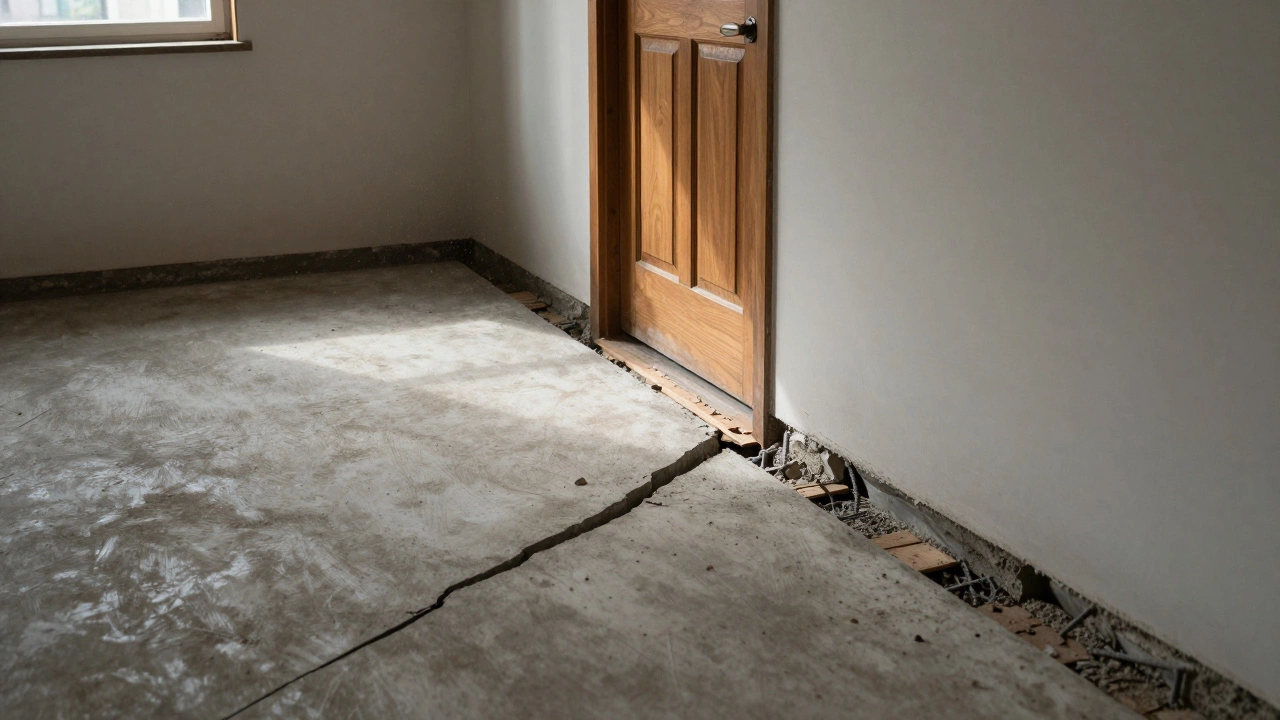
That’s why a new build defect, a flaw in construction that wasn’t fixed before handing over the keys can sneak past you. Mold behind drywall, uneven floors from a shifting foundation, or pipes installed wrong under the slab—these aren’t rare. They’re common. In fact, foundation problems, cracks, settling, or misalignment that affect the structural integrity of a home show up in nearly 1 in 5 new homes within the first year. And if you skip the inspection, you’re stuck paying for it yourself.
A good inspection looks beyond the paint and new carpet. It checks how the house was built—not just how it looks. That means testing plumbing under the slab, inspecting roof framing for improper nailing, verifying ventilation in bathrooms and attics, and checking for moisture traps that lead to structural defects, serious flaws that compromise safety or long-term value, like sagging beams or cracked load-bearing walls. These aren’t cosmetic. They’re safety issues.
You don’t need to be an expert to know what matters. If the floors slope, doors stick, or you see hairline cracks in the foundation, those aren’t normal "settling." They’re warnings. And if the builder says "it’s just a small crack" or "we’ll fix it later," that’s a red flag. Real pros don’t delay repairs—they fix them before you move in.
The inspection report should tell you what’s broken, how serious it is, and what it’ll cost to fix. No vague language. No "might need attention." Just facts. That’s the difference between a checklist and a real safeguard.
What you’ll find below are real examples of what goes wrong in new homes—what inspectors actually find, what builders try to hide, and how to protect yourself before it’s too late. From mold hidden in walls to plumbing under the foundation that’s already leaking, these posts show you exactly what to watch for. Skip the guesswork. Know what to ask. Know what to demand. Your wallet—and your peace of mind—will thank you.