NZ home insurance: What’s covered, what’s not, and how to protect your home
When you buy NZ home insurance, a policy designed to protect your property against damage, theft, and liability in New Zealand. It’s not a one-size-fits-all contract—what’s covered depends on your insurer, your policy terms, and the cause of the damage. Many homeowners assume their policy covers everything from leaking pipes to cracked foundations, but that’s not true. In fact, plumbing damage, water leaks from burst or aging pipes, especially under slabs or foundations is often excluded unless it results from a sudden, accidental event. And if your home is new? new build defects, hidden flaws like poor drainage, inadequate ventilation, or faulty waterproofing that show up months after moving in usually fall outside insurance and into the builder’s warranty window.
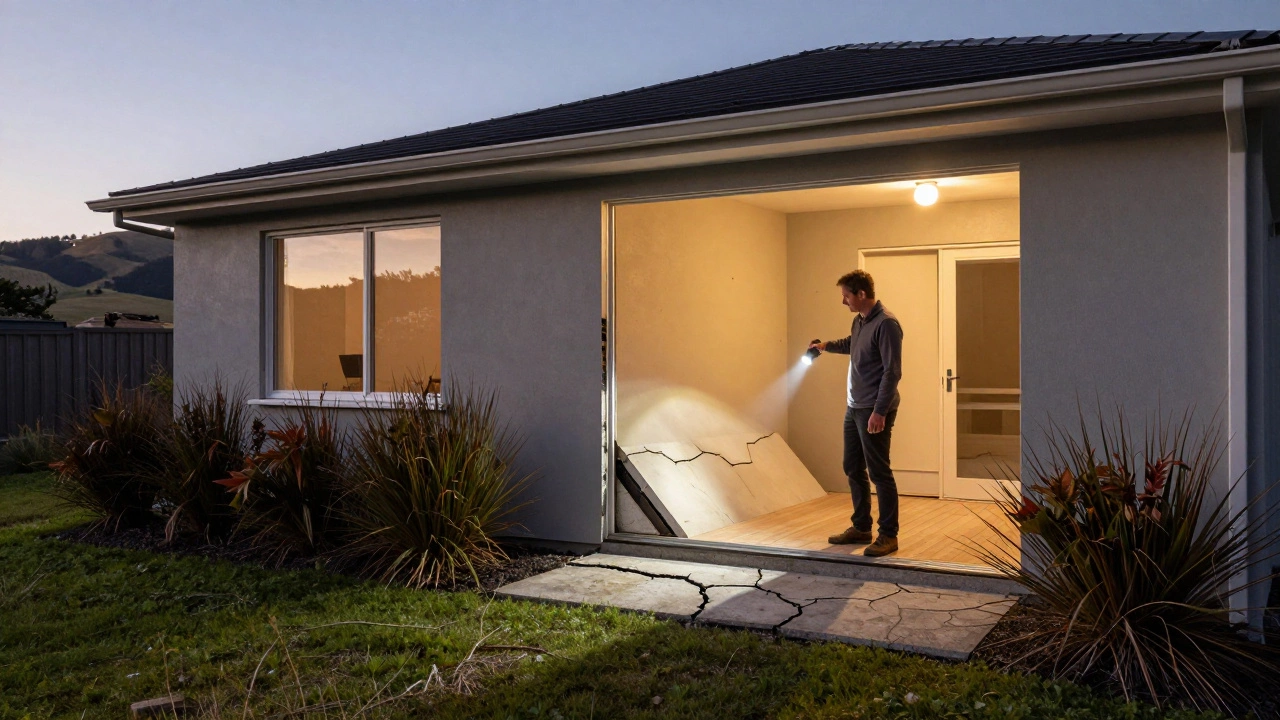
Here’s the reality: if a pipe bursts under your foundation and floods your living room, your insurance might pay for the water damage to your floors and walls—but not the cost to fix the broken pipe itself. That’s because insurers treat the pipe as a maintenance issue, not an insured event. Same goes for foundation cracks caused by soil movement or poor construction. If your house is in Wellington or Christchurch, where seismic activity and clay soils are common, foundation issues are a real risk. But unless the crack was triggered by an earthquake covered under your policy, you’re on your own. That’s why many homeowners in NZ end up paying thousands out of pocket for repairs that should’ve been caught early. And if you bought a new build? You’ve got a two-year builder’s warranty, but only if you report problems before it expires. Waiting until your floor slopes or your walls crack? Too late.
So what should you do? First, read your policy. Not the sales brochure—the actual fine print. Look for exclusions around water damage, gradual deterioration, and earth movement. Second, document everything. Take photos of cracks, damp patches, or sticking doors the moment you notice them. Third, get a professional inspection before you sign off on a new build. A structural survey can catch hidden defects that insurance won’t cover later. And finally, don’t assume your policy protects you from everything. Insurance is a safety net, not a repair fund. The best way to avoid a nasty surprise? Know what’s broken before it breaks worse.
Below, you’ll find real guides from homeowners who’ve been through this—how to spot foundation problems before they cost you six figures, why new builds develop mold, what plumbing damage really looks like, and how to fight insurers when they deny your claim. These aren’t theory pieces. These are lessons from people who lived it.