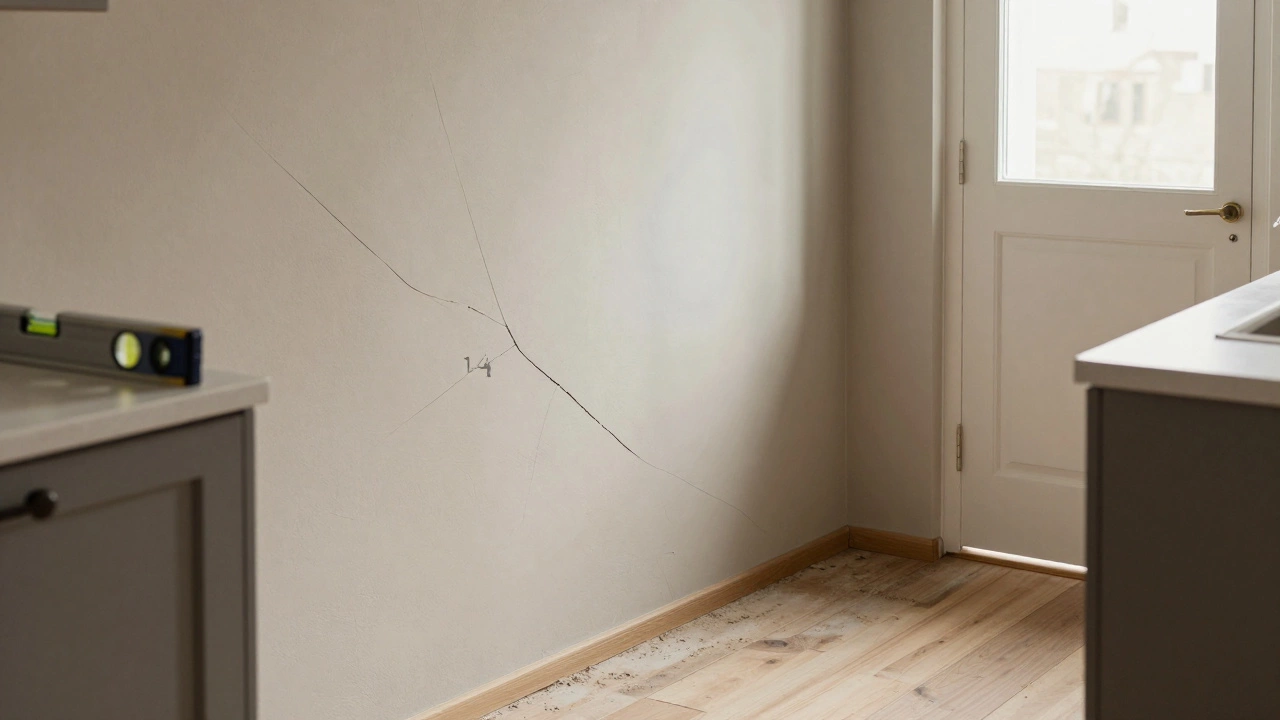
Settling Foundation: Signs, Causes, and What to Do Next
When your floors slope, doors stick, or cracks appear in walls, it’s often not just wear and tear—it’s your settling foundation, the gradual downward movement of a home’s base due to soil changes, moisture, or poor construction. Also known as house settling, it’s normal in the first year after building, but when it keeps going, it becomes a serious foundation issue, a structural problem that threatens safety and value.
Not all settling is bad. A new home might shift a quarter inch in its first 12 months—that’s expected. But if cracks are wider than a credit card, stairs creak louder than before, or windows won’t close right, you’re dealing with something deeper. Soil type plays a big role. Clay soil swells when wet and shrinks when dry, pulling your foundation down unevenly. Poor drainage, leaking pipes, or even big trees nearby can make it worse. That’s why foundation crack repair, a fix that stops cracks from growing by addressing the root cause isn’t just about patching walls—it’s about stopping the movement underneath. And if left unchecked, it can lead to foundation repair, a costly, invasive process to stabilize or lift a sinking structure.
What you see inside your home—cracks in drywall, sticking doors—is just the tip. The real problem lives below ground. That’s why you can’t just paint over it. You need to know if it’s cosmetic or structural. A crack that’s getting wider? That’s a red flag. A floor that dips more than half an inch? That’s not normal. And if you’ve got water pooling near your foundation, you’re feeding the problem. The good news? Most cases can be fixed before they turn into a collapse. But you have to act before the damage spreads. Below, you’ll find real stories from homeowners who spotted the signs early—and those who waited too long. You’ll learn what causes foundation problems, how to tell the difference between settling and failure, and what solutions actually work in UK homes. No fluff. Just what you need to decide if you’re looking at a quick fix or a major job.