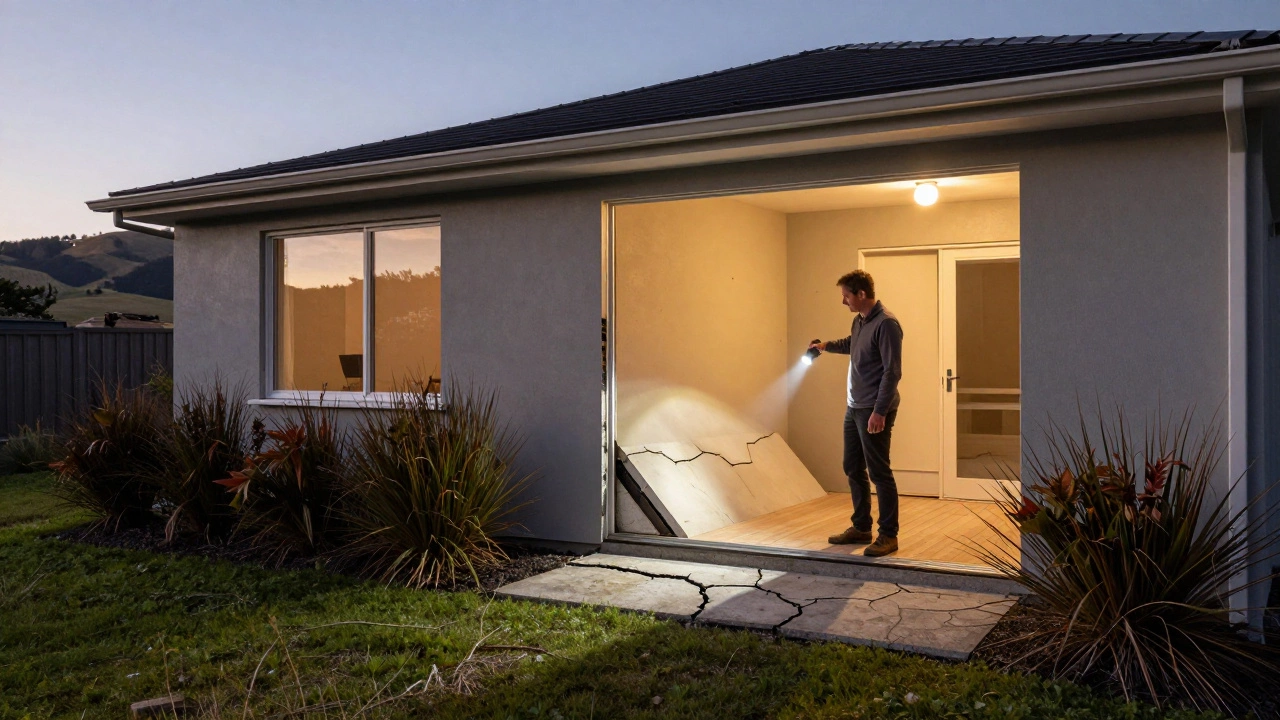
Structural Damage Insurance: What’s Covered and What’s Not
When your home’s foundation cracks or walls lean sideways, you don’t just need a repair—you need to know if your structural damage insurance, insurance that may cover physical harm to a building’s load-bearing parts like foundations, beams, or load-bearing walls. Also known as property insurance for structural issues, it’s not as simple as it sounds. Most standard homeowners policies won’t pay for the root cause of structural damage, like settling soil or poor construction. But they often cover the water damage, harm caused by leaking pipes, burst lines, or flooding that results from structural problems—the messy, expensive aftermath. That’s the tricky part: insurance treats the symptom, not the disease.
Think of it this way: if a broken pipe under your foundation causes flooding and warps your floors, your policy might pay to dry out the house and replace the drywall. But if that pipe broke because your foundation shifted due to clay soil or bad drainage, you’re on your own for the repair. That’s where major structural defect, a serious flaw in a building’s core structure that threatens safety or stability, like cracked foundations or sagging roof trusses comes in. These aren’t covered under normal policies unless caused by a sudden, insured event like a fire or storm. Many homeowners don’t realize their new build warranty might be their only real protection for defects like improperly installed beams or inadequate footings. And if you’re in an area with shifting ground—like parts of the UK with high clay content—you’re at higher risk. Foundation problems don’t show up overnight. They creep in: doors that stick, cracks widening over time, floors that slope. That’s why knowing the difference between normal settling and real structural failure matters.
It’s not just about old houses. New builds have their own risks. Rushed construction, trapped moisture, and poor drainage can lead to hidden structural issues that don’t appear until months later. That’s when you realize your builder’s warranty has expired, and your insurance won’t touch it. You need to understand what’s truly covered before you sign anything. Some policies offer optional endorsements for subsidence or ground movement, but they’re expensive and come with strict conditions. Most people don’t even know these options exist until it’s too late.
In the posts below, you’ll find real-world breakdowns of what causes foundation damage, how to spot a major structural defect before it costs you thousands, and why insurance often says "no" when you need it most. We’ll walk you through what repair methods actually work, how new builds go wrong, and how to protect yourself without overpaying for coverage that won’t help when it counts.