Major Structural Defect: Signs, Risks, and What to Do Next
When we talk about a major structural defect, a serious flaw in a building’s load-bearing parts that compromises safety or stability. It’s not just a crack in the wall—it’s when the foundation, beams, or load-bearing walls are failing under stress. This isn’t something you can ignore. A house with a major structural defect can shift, sink, or even collapse, especially in places like the UK where ground conditions and weather put extra pressure on older buildings.
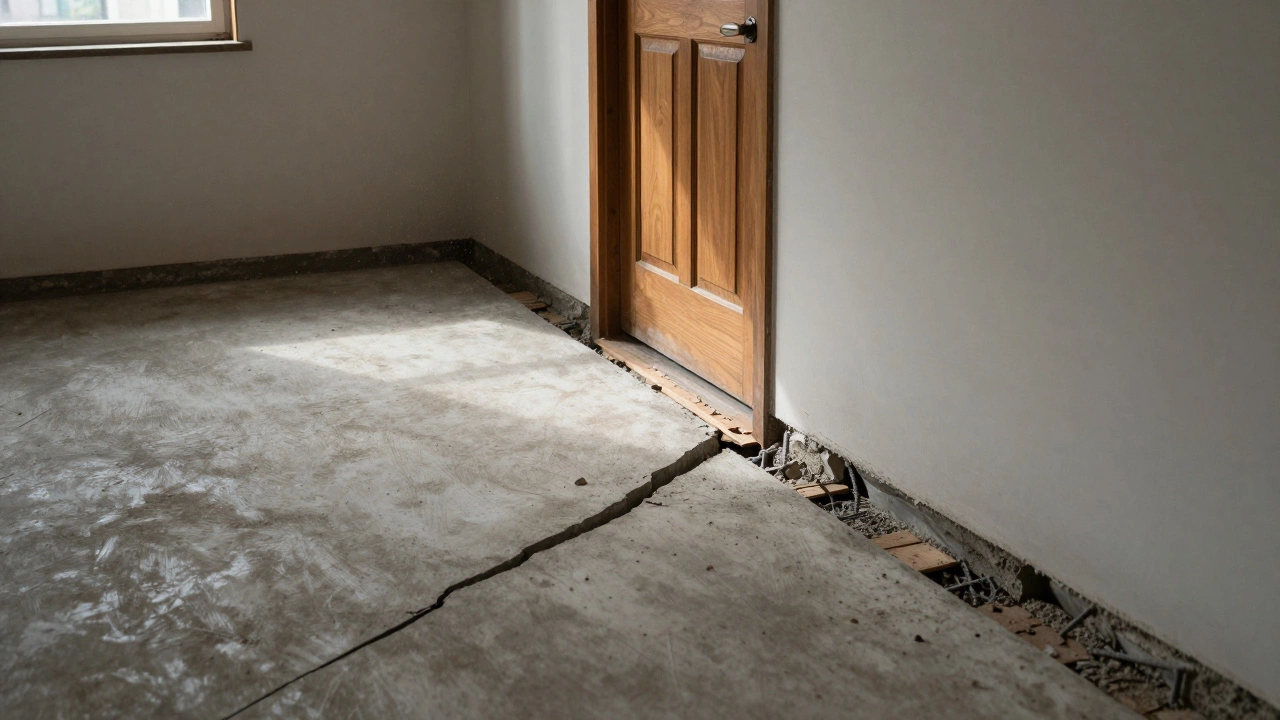
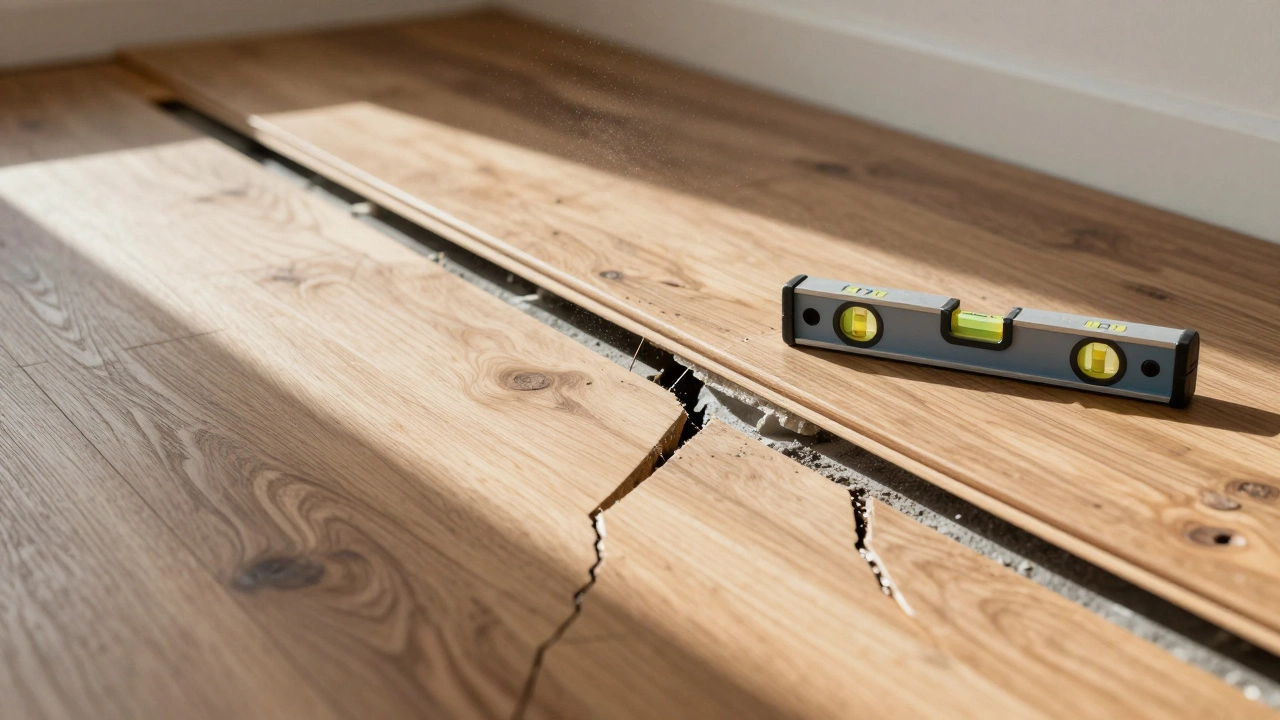
Most people don’t realize how quickly these problems grow. A small crack in the basement wall? It might look harmless. But if it’s caused by foundation damage, the gradual sinking or shifting of a building’s base due to soil movement, water exposure, or poor construction, it’s a warning sign. Same with sloping floors or doors that won’t close. These aren’t just annoyances—they’re symptoms of deeper issues. And if you’ve got building collapse, the sudden or progressive failure of a structure’s support system, often due to untreated structural defects on your radar, you’re not overreacting. In Wellington-style clay soils or areas with high rainfall, even well-built homes can suffer over time. Insurance rarely covers the root cause, only the damage it creates. That’s why catching it early matters more than ever.
What’s the difference between a cosmetic crack and a real threat? It’s all about location, size, and movement. Cracks wider than a penny, especially near corners or along exterior walls, are red flags. If they’re getting bigger, or if you see stair-step patterns in brickwork, that’s not normal settling—it’s structural stress. You don’t need to wait for the ceiling to cave in to act. Getting a professional inspection can save you thousands, or even your home. The posts below cover real cases: how foundation repair works, why new builds develop hidden defects, what insurance actually pays for, and how to tell if a crack needs an expert—or just paint. You’ll find no fluff here—just straight talk on what to look for, what to avoid, and how to protect what’s most important.