Steel in Construction: What It Is, How It’s Used, and Why It Matters
When you think about what holds a building together, steel, a strong, durable metal alloy primarily made of iron and carbon. Also known as structural steel, it’s the hidden force behind most modern buildings—whether it’s the beams in your office, the framing in a new home, or the supports under a bridge. Unlike wood or concrete, steel doesn’t warp, rot, or crack under pressure. It bends before it breaks, which is why it’s the go-to material for anything that needs to carry weight, resist earthquakes, or last decades without failing.
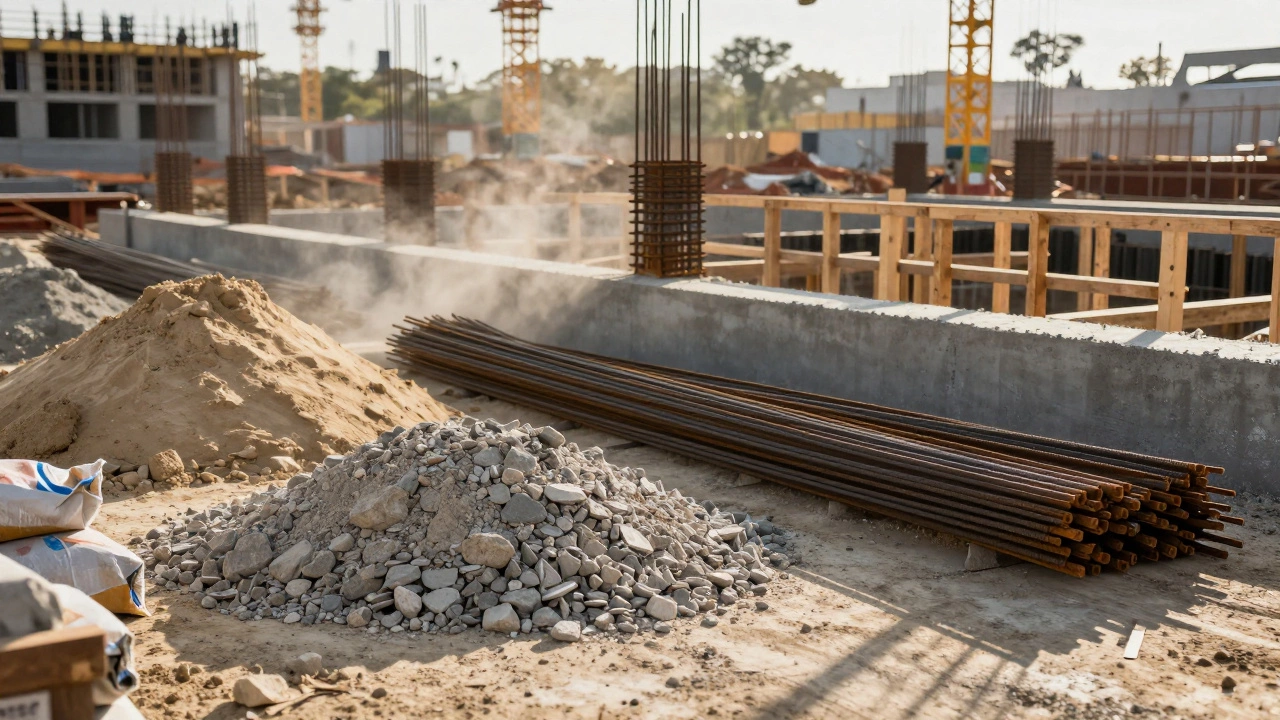
Steel isn’t just about strength—it’s about precision. In commercial construction, structural steel, prefabricated steel components used in frameworks and load-bearing systems is designed to exact measurements, then bolted or welded into place. This speeds up builds and reduces errors. But in residential work, like foundation repairs or loft conversions, steel is often used in hidden ways—steel I-beams to shore up sagging floors, steel braces to stabilize cracked walls, or steel rods to reinforce concrete. You won’t see it, but if your house has foundation issues, steel might be what fixes it. And if you’re dealing with a new build that’s settling unevenly, chances are steel reinforcements were either missing or installed wrong.
Steel also plays a role in what gets covered by insurance. If a pipe bursts under your foundation and causes damage, your policy might pay for the water cleanup—but not the broken pipe itself. But if that pipe failed because the foundation shifted due to poor steel support? That’s a different story. Same goes for roof repairs. A roof might look fine, but if the steel trusses underneath are rusted or bent, you’re one storm away from collapse. That’s why inspectors always check for steel integrity, not just leaks or shingles.
And here’s the thing: steel doesn’t last forever. In damp climates, it rusts. In salty air near the coast, it corrodes faster. In new builds rushed to market, cheap steel or thin coatings are sometimes used to cut costs—and that’s when you see problems years later. That’s why knowing how steel is used in your home matters. It’s not just about what’s visible. It’s about what’s holding everything up.
Below, you’ll find real-world examples of how steel shows up in construction—sometimes as the hero, sometimes as the overlooked weak point. From foundation cracks to commercial building codes, these posts break down where steel is doing its job… and where it’s failing.